 Storyclover
Storyclover
Storyclover
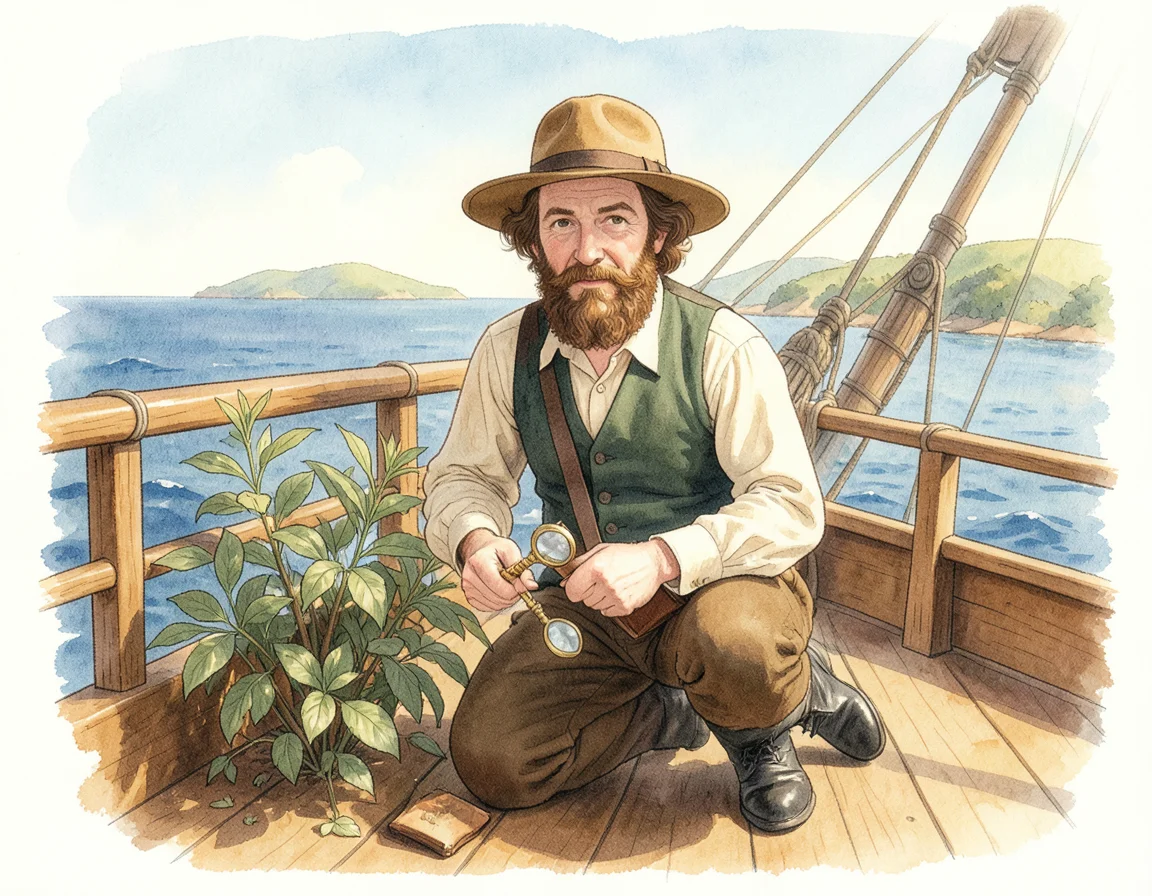
Charles Darwin knelt beside a plant and wrote in his notebook. The HMS Beagle sailed across a bright morning sea.
Charles Darwin Noticed the Beaks Everyone Else MissedCharles Darwin studied plants and animals closely, and his observations helped explain how living things change over long times.
1. Charles Darwin knelt beside a plant and wrote in his notebook. The HMS Beagle sailed across a bright morning sea.
2. On the Galápagos Islands, Charles studied plants that grew in cracks and animals that rested on warm rocks. He noticed every detail.
3. Then he saw two little finches. One had a thick beak, and the other had a slender beak.
4. The thick beak could crack hard seeds. The slender beak could reach flowers. Their beaks seemed suited to different foods.
5. Charles drew each beak carefully. He did not hurry past the small differences.
6. He found that islands close together could have finches with different beaks. Charles wondered how such differences began.
7. Back home, he compared his notes about plants and animals. One careful observation joined another.
8. The beaks were not just curious shapes. They were clues.
9. A small difference could help an animal find food. Over many, many generations, small differences could add up.
10. Charles Darwin studied plants and animals closely, and his observations helped explain how living things change over long times.
Make a story like this →