 Storyclover
Storyclover
Storyclover
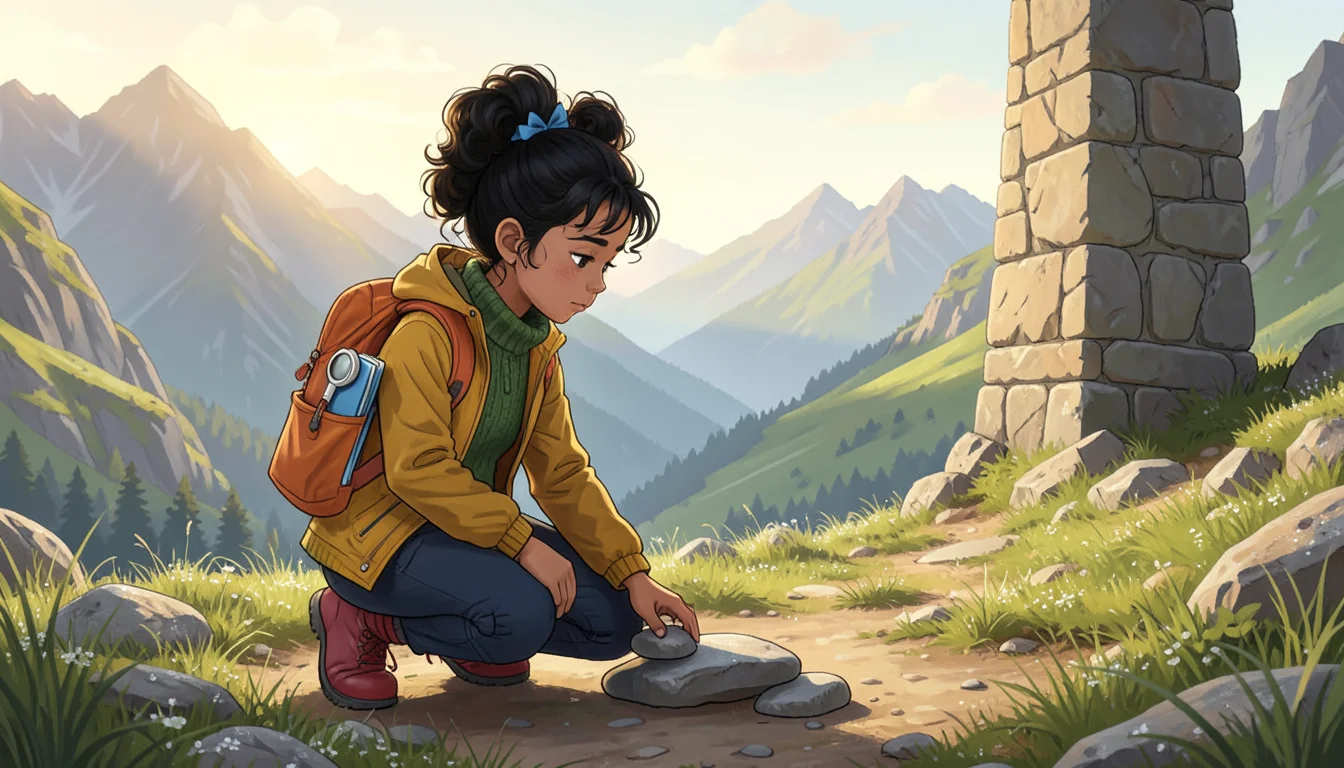
At first light, a ten-year-old girl named Nia knelt on a mountain trail and stacked three stones beside her boot. The little tower leaned, but the mountain behind it stood broad and bright. Nia wanted to know how anything so heavy could keep rising instead of sinking.
Why Do Mountains Still Grow If Rocks Are So Heavy?Tectonic plates push enormous rock layers together and upward over millions of years, while erosion wears them down at the same time.
1. At first light, a ten-year-old girl named Nia knelt on a mountain trail and stacked three stones beside her boot. The little tower leaned, but the mountain behind it stood broad and bright. Nia wanted to know how anything so heavy could keep rising instead of sinking.
2. Dr. Imani Vale crouched beside Nia and rested her palm on a boulder. “The rock is heavy,” she said, “but it is not standing alone. Earth’s outer shell is divided into enormous plates, and those plates are always moving.” Nia looked from the boulder to the mountain range.
3. Inside the shelter, Dr. Imani placed two thick slabs of clay on a tray. Nia pushed the slabs together, and a ridge of clay wrinkled upward between them. The clay was only a model, but it showed what a slow squeeze can do: where plates meet, their edges can crumple and rise.
4. Farther along the trail, Nia held her hand lens to a cliff of folded rock. The layers had once rested in flatter beds, made from sand and mud pressed together long ago. Plate after plate had squeezed them until the beds tilted, buckled, and helped build the range.
5. The plates were not rushing like cars. They crept only a few centimeters each year, slower than a fingernail grows. Yet a push that continues for millions of years can crumple enormous rock layers and lift a mountain range.
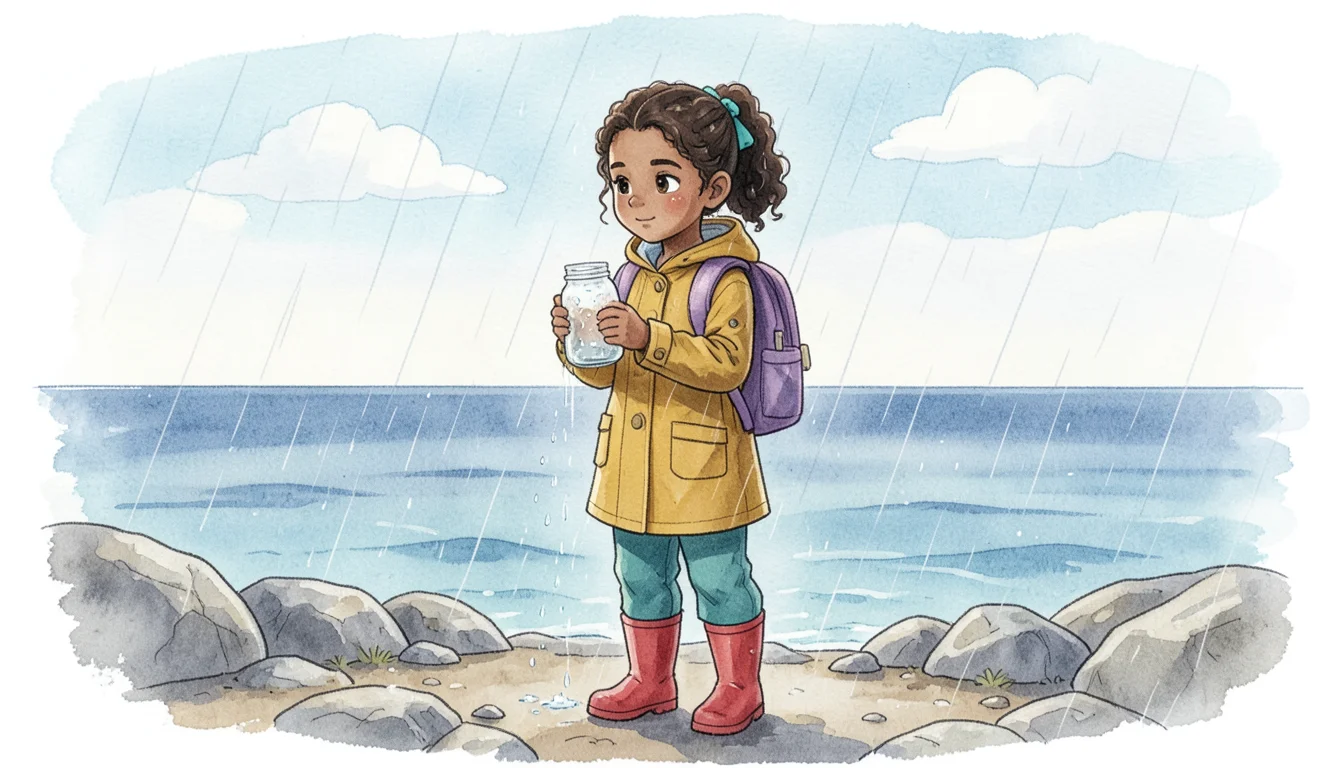
6. Then Nia noticed what the mountain was losing. Rain loosened grains from the slopes, streams carried them through narrow valleys, and wind lifted dust from the ridges. The mountain was being worn down even as deep forces pushed it upward.
7. Nia turned the wet grains in her palm. “So is the mountain growing or shrinking?” she asked. Dr. Imani held up the smooth pebble. “Both can happen at once. The answer depends on which process is winning over a very long stretch of time.”
8. From the ridge, Nia could imagine the two patient forces meeting: pressure building the range from below, and rain, ice, rivers, and wind carrying pieces away. Some mountains rise faster than they erode. Others lose height faster than they gain it, and some nearly balance.
9. Nia set the last stone in place, knowing her tiny tower would not last through the next storm. The mountains had a longer story, written too slowly for any one person to watch. Tectonic plates push enormous rock layers together and upward over millions of years, while erosion wears them down at the same time.
Make a story like this →