 Storyclover
Storyclover
Storyclover

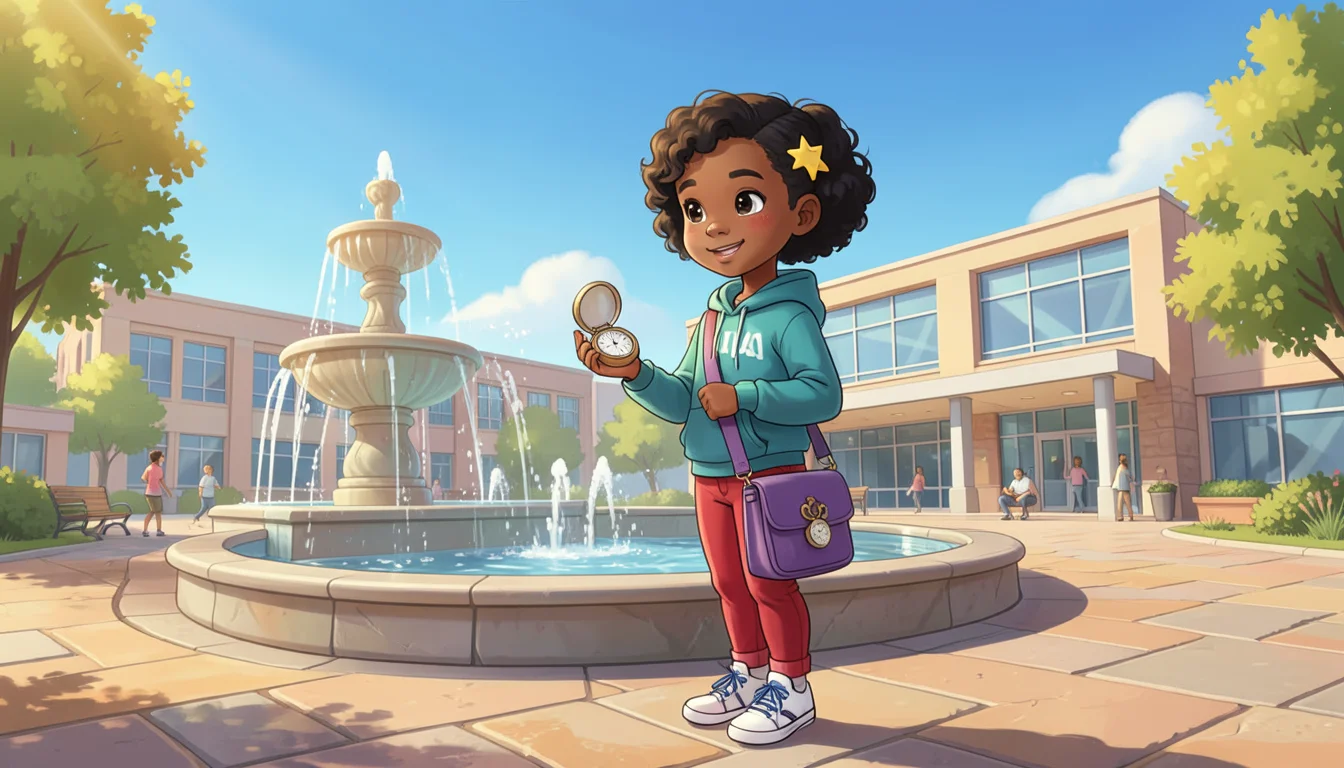
On a bright spring morning, Maya lined up three clear bowls beside her breakfast bowl and held a blue bead above the middle one. Her prescribed allergy medicine had not eased her sneezing as quickly as the medicine prescribed for her cousin. She opened her notebook and wrote, Why had the medicines acted differently?
Why Do Some Medicines Work for One Person but Not Another?Bodies differ in genes, age, health, microbes, and other medicines, so the same treatment can be processed in different ways.
1. On a bright spring morning, Maya lined up three clear bowls beside her breakfast bowl and held a blue bead above the middle one. Her prescribed allergy medicine had not eased her sneezing as quickly as the medicine prescribed for her cousin. She opened her notebook and wrote, Why had the medicines acted differently?
2. At the clinic that afternoon, Maya placed her notebook on Dr. Imani Reyes's desk. She explained that she and her cousin had similar allergies, yet their prescribed medicines had not acted alike. Dr. Reyes turned the notebook toward the light.
3. Dr. Reyes set four clear jars on the desk. A medicine has a journey, she explained: it must dissolve, travel through the body, reach its target, and then leave. At every stop, a body may handle it a little differently.
4. She held up two nearly matching strands of colored beads. Genes help build the tiny tools that break medicines down, carry them, or help cells respond. A small difference can make a medicine last longer, leave sooner, or feel less helpful.
5. Next, Dr. Reyes placed a small wooden figure beside a larger one and touched a model of a liver and kidneys. Age, body size, and health can change a medicine's route, she said. A growing body, or the liver or kidneys working differently, may process it at a different speed.
6. Then she pointed to a bright loop in a child-friendly model of the gut. Tiny microbes live there, and they are not exactly the same from person to person. Some can change what happens to certain medicines before the body even uses them.
7. Finally, Dr. Reyes added a second path to the map. Other medicines can speed up or slow down the body's tools, she explained, so doctors and pharmacists ask what else a person takes, including vitamins and remedies.
8. Maya circled the word same in her notebook. She had been searching for one neat reason, but the map had become a web of routes. The same medicine did not always mean the same journey.
9. Dr. Reyes checked Maya's prescription, symptoms, and the other things she used. Together, they made a plan to watch how Maya responded and to contact the clinic if it did not help. Maya tucked her notebook under her arm; now she had a better question: What does this body need?
10. On the way home, Maya imagined every body as its own busy landscape, with paths that could join, bend, or take their time. Bodies differ in genes, age, health, microbes, and other medicines, so the same treatment can be processed in different ways.
Make a story like this →