 Storyclover
Storyclover
Storyclover
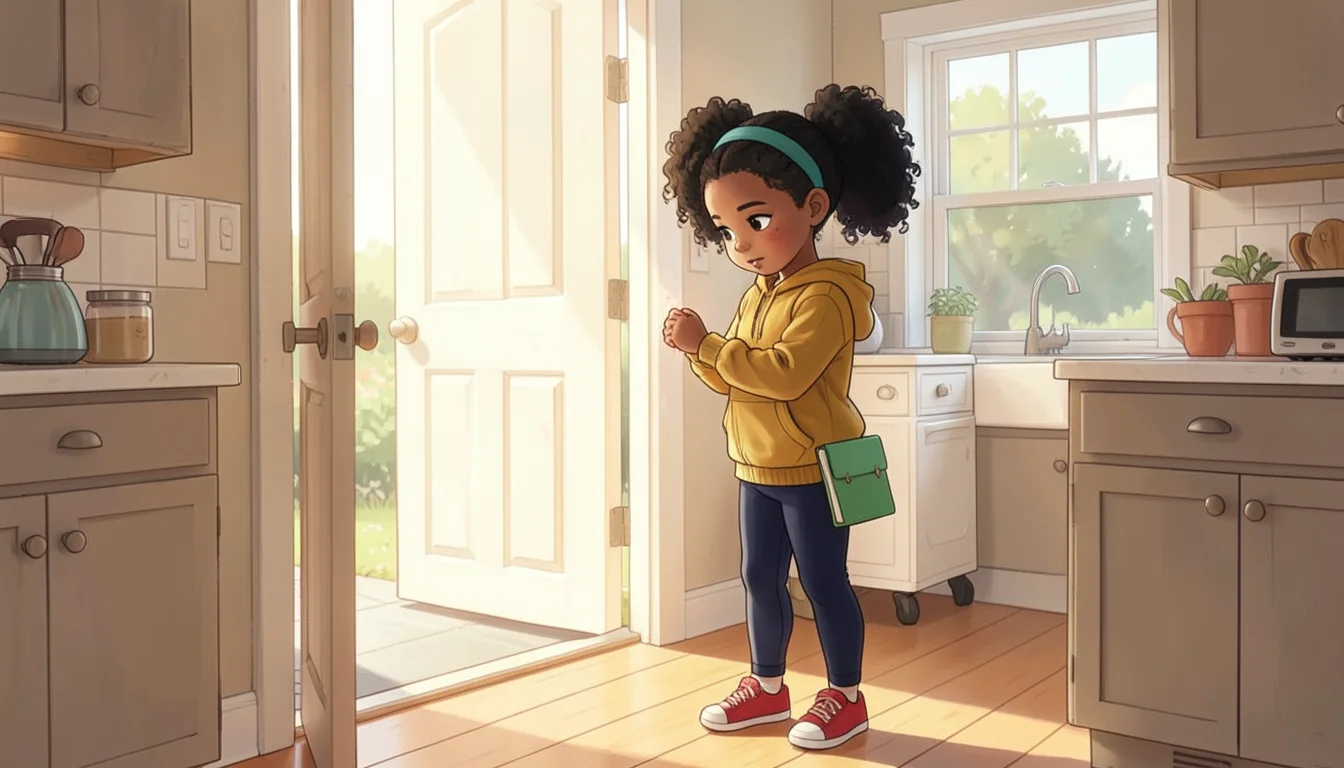
On a bright Saturday morning, Nia rubbed the tiny bumps rising along her arm as she stood beside the open kitchen door. The air was mild, so she opened her green notebook and wrote down the question that had been waiting for her: Why did her skin make goosebumps when she was not cold?
Why Do We Have Goosebumps When We Are Not Cold?Goosebumps are an old body response linked to cold, fear, awe, and emotion, even though humans no longer rely on raised fur.
1. On a bright Saturday morning, Nia rubbed the tiny bumps rising along her arm as she stood beside the open kitchen door. The air was mild, so she opened her green notebook and wrote down the question that had been waiting for her: Why did her skin make goosebumps when she was not cold?
2. She tested the simplest possibility first. Nia held one hand above the cool grass, and the little hairs on her arm lifted as the damp morning air touched her skin. This time, cold was part of the answer.
3. By noon, Nia had found a second clue. A cupboard door banged behind her, and she stopped with her shoulders up near her ears. The loose window latch explained the noise, but the prickles stayed for a while longer.
4. That evening, the planetarium dome filled with a river of stars. Nia leaned back until her neck rested against the seat, and goosebumps gathered on both arms. No cold touched her, and nothing had startled her. The vastness itself seemed to reach her skin.
5. On Sunday afternoon, a familiar melody rose from a little wooden music box. It was the tune her grandfather used to hum, and Nia’s throat tightened as the notes filled the room. Goosebumps gathered along her arms again, carrying a feeling that was not simple enough to put in one word.
6. Nia gathered her clues at the library table. She learned that tiny muscles at the roots of body hairs can pull those hairs upright. The skin puckers around each hair, making the bumps she can feel.
7. Then Nia followed the question backward in time. Long before people had coats and blankets, our furry ancestors could raise their fur to trap a layer of warm air close to the skin. Raised fur could also make an animal look larger when danger came near.
8. Now the pieces fitted together. As human bodies evolved, most of our thick fur disappeared, but the tiny muscles and their quick responses remained. They could still answer a chilly breeze, a sudden fright, a sky full of stars, or a song carrying an old memory.
9. Nia had been looking for one answer, but her body had kept several old stories. Goosebumps are an old body response linked to cold, fear, awe, and emotion, even though humans no longer rely on raised fur.
Make a story like this →