 Storyclover
Storyclover
Storyclover
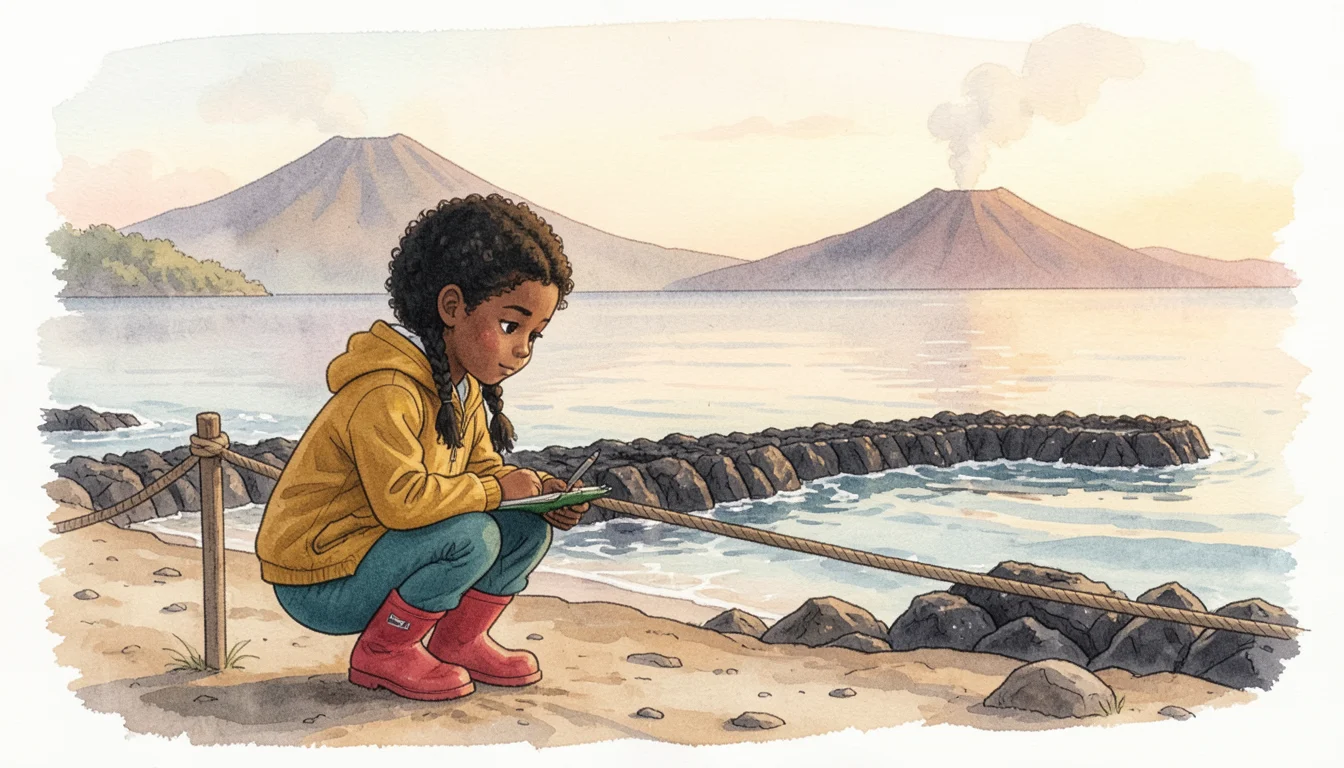
At dawn, Maia crouched behind the old beach’s rope line and sketched the shore that had not existed yesterday. During the night, the volcano on Aroa Island had poured lava into the sea, leaving a dark shelf of new land. Maia wanted to discover what would arrive first.
What Happens When a Volcano Builds New Land Overnight?Fresh lava can create bare rock that gradually becomes habitat as weather, microbes, lichens, plants, and animals arrive in stages.
1. At dawn, Maia crouched behind the old beach’s rope line and sketched the shore that had not existed yesterday. During the night, the volcano on Aroa Island had poured lava into the sea, leaving a dark shelf of new land. Maia wanted to discover what would arrive first.
2. By midmorning, she leaned over the older edge and studied the new rock. It was black, glassy, and empty: no roots, feathers, shells, or footprints. Maia circled the blank space in her notebook and decided to return before giving up.
3. That afternoon, sea spray salted the cracks and a warm rain tapped the stone. Water slipped into tiny openings, cooled what the night had left hot, and loosened grains of rock. Maia had hoped for a living visitor, but the weather arrived first.
4. A week later, the shore still looked almost unchanged. Through a small field microscope, Maia found a faint film of microbes on a damp shard; they were too small for her eyes alone, yet they were already using minerals and helping dust cling to the surface.
5. Several months passed. Pale gray-green lichens spread over the roughest patches, gripping the stone like tiny maps. They broke the surface slowly and held more dust, while Maia knelt nearby with her pencil paused above the page.
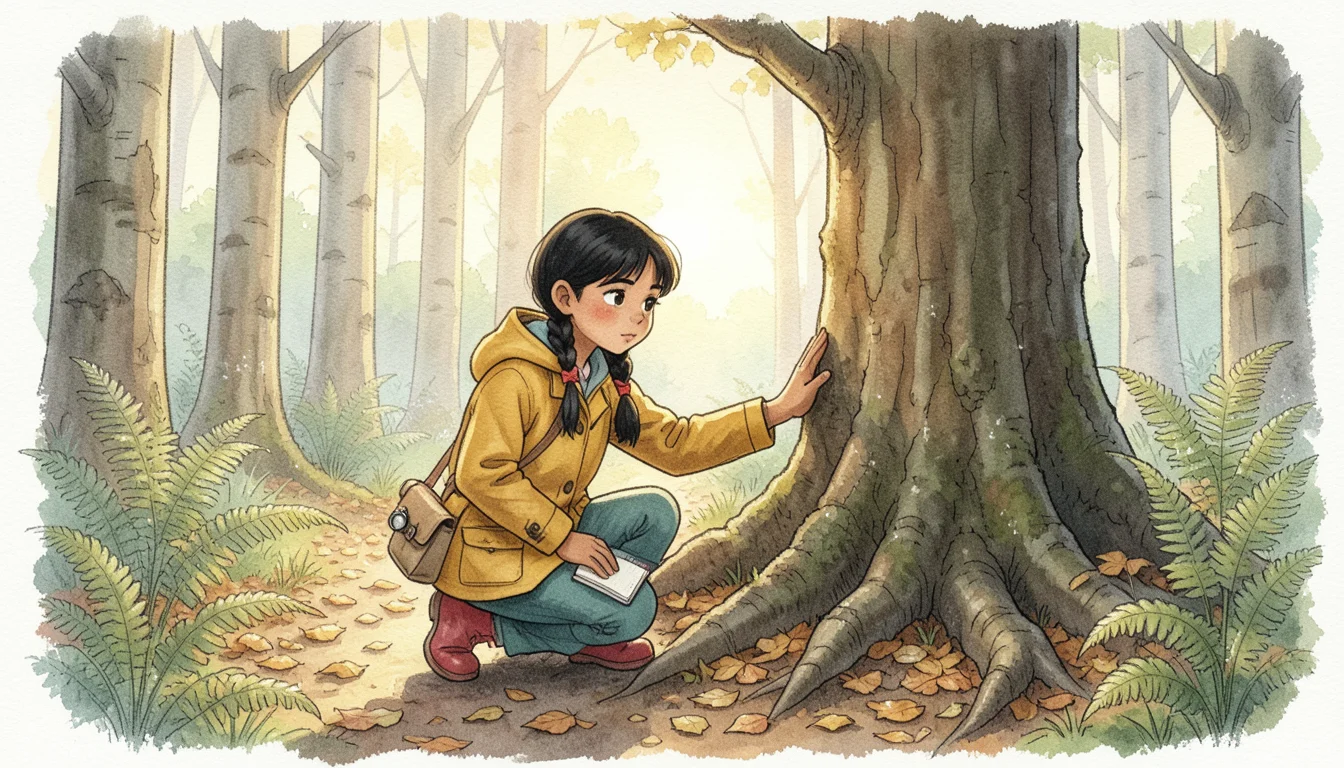
6. After a wet season, a seed caught in one of those dusty cracks. A single silver-green grass blade stood there, thin as a thread. Maia did not touch it; she placed a little ring of stones nearby so her boots would not crush the beginning.
7. The grass dried, fell, and joined the dust. More seeds took hold, and roots threaded the cracks. By the next year, moss, small ferns, and tough coastal plants had made a shallow skin of soil where the bare lava had been.
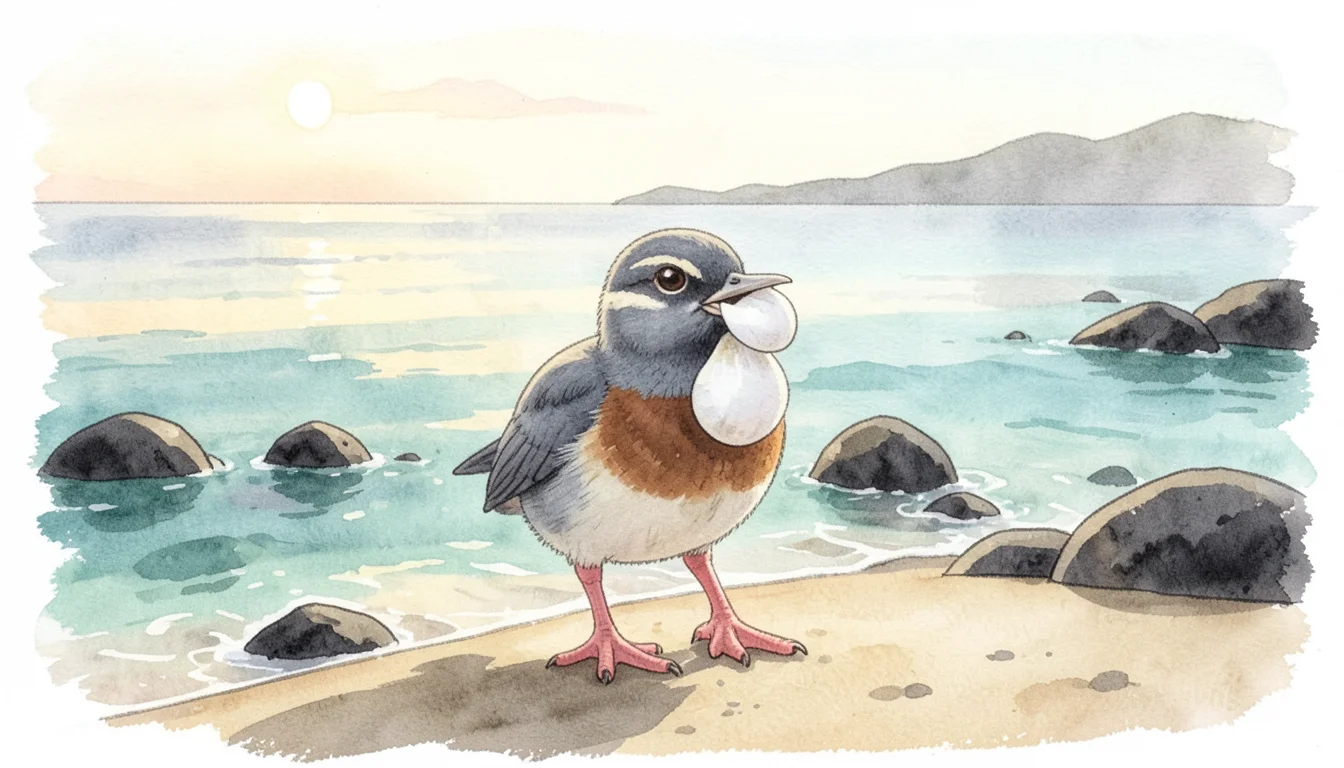
8. Then small insects arrived among the flowers, followed by spiders and bright-winged pollinators. A pair of white-and-gray seabirds rested on the new ledge, and their droppings added nutrients to the thin soil. The land was beginning to feed more than itself.
9. Maia opened her first notebook page and stared at the circle she had drawn around the empty rock. She had been waiting for life to appear all at once, large enough to notice. Instead, each quiet arrival had made room for the next.
10. Fresh lava can create bare rock that gradually becomes habitat as weather, microbes, lichens, plants, and animals arrive in stages. Maia closed her notebook while the new shore held the evening light, already making room for what would come next.
Make a story like this →