 Storyclover
Storyclover
Storyclover
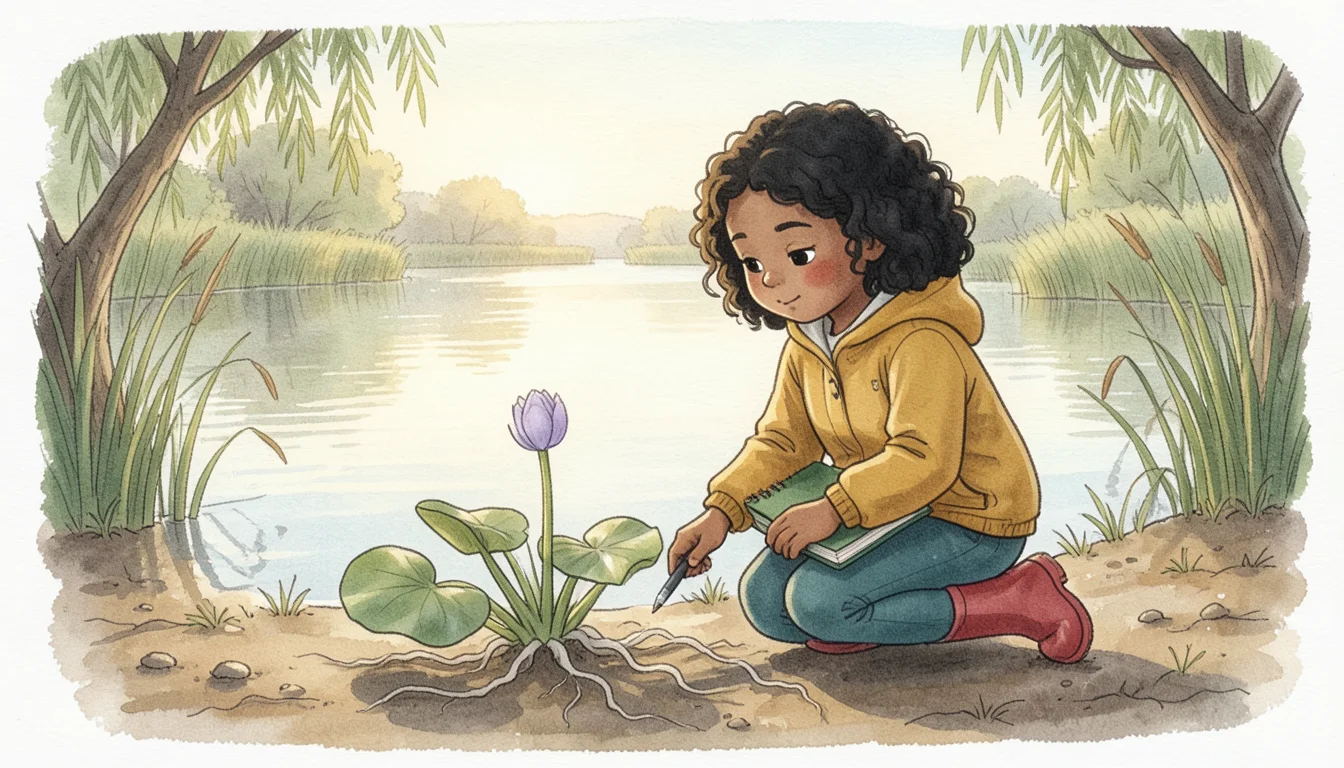
At sunrise, Maya knelt beside Willowbend Pond and sketched a single water hyacinth. It had arrived after a storm, perhaps as a loose piece carried down the creek, and now its roots rested in a quiet corner. Maya wanted to know how one newcomer could ever change a whole pond.
Why Do Invasive Species Win Even When They Arrive Alone?A species entering a new habitat may spread quickly if it has few predators, reproduces fast, or outcompetes local species, but success depends on many conditions.
1. At sunrise, Maya knelt beside Willowbend Pond and sketched a single water hyacinth. It had arrived after a storm, perhaps as a loose piece carried down the creek, and now its roots rested in a quiet corner. Maya wanted to know how one newcomer could ever change a whole pond.
2. She returned the next morning with her notebook. The plant did not need a partner to make more of itself: it could send out a side shoot, and that shoot could root into a new plant. One arrival was enough to begin, if the pond gave it a chance.
3. Three warm weeks later, the quiet corner was no longer quiet. New plants floated beside the first, joined by short runners, and their round leaves pressed together like green shingles. A lone arrival had become a small raft.
4. Maya looked for bite marks. Snails and insects nibbled the pond's native plants, yet the water hyacinth's thick leaves remained almost untouched. With few local predators willing to eat it, the newcomer had one less problem to solve.
5. Then the raft widened across the sunny surface. Its leaves shaded the water below, where native pond plants once caught the light. As space and sunlight grew scarce, the newcomer began competing with the plants that already lived there.
6. But Maya found no victory at the far inlet. There, one water hyacinth had settled in cold shade, where the current disturbed its roots and native plants filled the shallow water. It stayed alone, small beside the stones.
7. Maya compared the places in her notebook. Warm sun, still water, open space, and few hungry mouths had helped the first plant spread. Cold water, a moving current, shade, and strong competition had stopped the other one. Being first was not the same as being sure to win.
8. When autumn cooled Willowbend Pond, the sunny cove held a thick mat, while the shaded inlet remained open between its stones. Maya closed her notebook, still watching both places. A species entering a new habitat may spread quickly if it has few predators, reproduces fast, or outcompetes local species, but success depends on many conditions.
Make a story like this →