 Storyclover
Storyclover
Storyclover
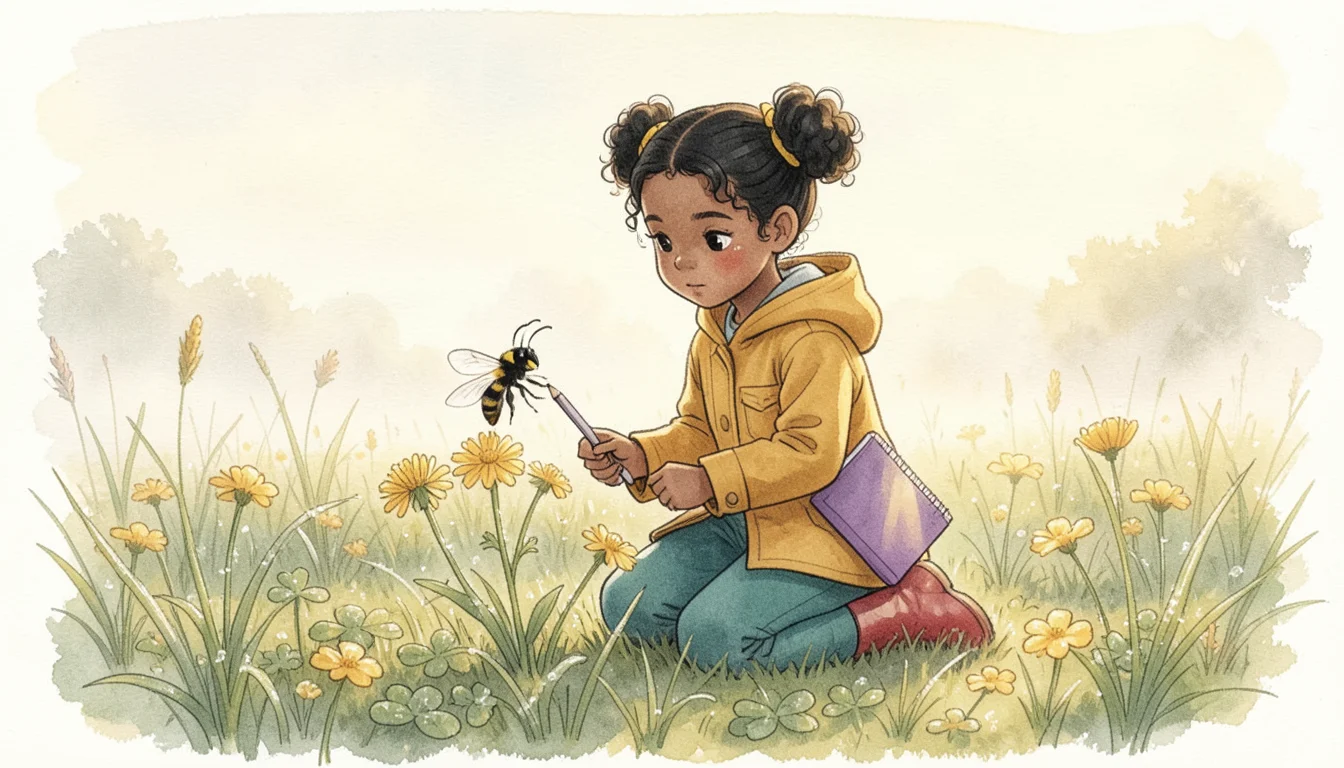
At first light, Mina knelt in a meadow beside a patch of goldenrod, sketching a bright black-and-yellow wasp in her purple field journal. The insect was easy to spot, and that puzzled her: why would an animal wear colors that seemed to point straight at it?
Why Do Some Animals Wear Warning Colors That Make Them Easier to See?Bright warning colors can teach predators to avoid animals that sting, taste bad, or are toxic, turning visibility into protection.
1. At first light, Mina knelt in a meadow beside a patch of goldenrod, sketching a bright black-and-yellow wasp in her purple field journal. The insect was easy to spot, and that puzzled her: why would an animal wear colors that seemed to point straight at it?
2. The wasp rested on a goldenrod flower, its yellow bands bright against the green leaves. Mina watched from a careful distance. If a hungry bird could see it so easily, why had the wasp not chosen camouflage?
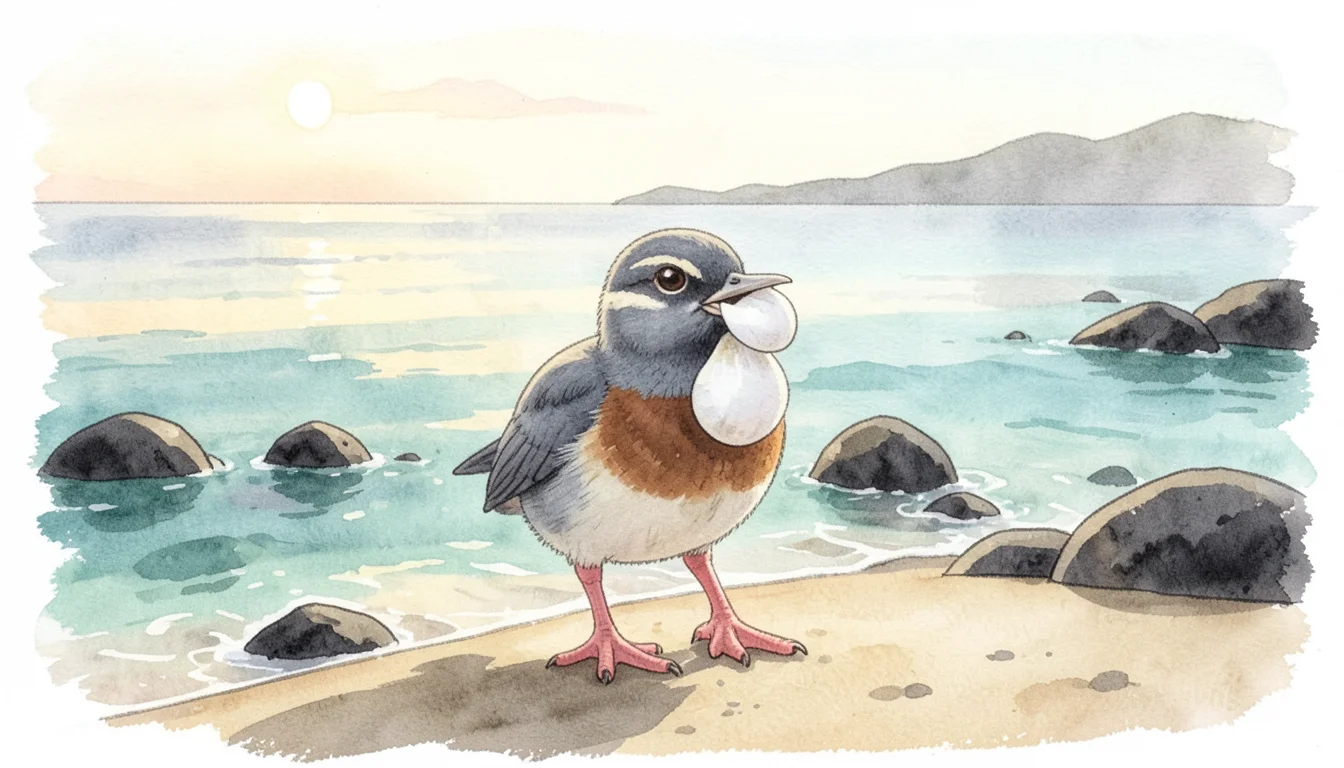
3. An American robin landed on a low branch above the flower. It leaned toward the wasp, then tucked its bill beneath one wing and looked away. Mina remembered that the robin had once made a painful mistake; a sting had taught it that those stripes meant danger.
4. Later, near the clover, Mina found a red ladybird on a leaf. A young thrush tilted its head toward the beetle, tasted the air, and chose a seed instead. Ladybirds can release a bitter, foul-tasting fluid, so their red shells warn predators before a beak gets too close.
5. That evening, Mina drew a line between what she had seen. A sting could make stripes memorable, and a bitter taste could make red memorable. The colors were not invitations; they were messages that a predator could learn.
6. She began to understand the slower part of the story. Long ago, wasps varied a little in their markings. If predators avoided the brighter ones, those wasps were more likely to live, mate, and leave young. Across many generations, inherited warning colors could become common—not because a wasp decided to change, but because survival did the sorting.
7. At dawn, the robin returned. It searched the grass for seeds, passed over the striped wasp, and kept its bill to itself. Mina had expected the brightest animals to need the best hiding places. Now she saw the turn: sometimes being noticed first is exactly what keeps a dangerous meal from being eaten.
8. Mina closed her journal with the wasp glowing beside her in the morning sun. Bright warning colors can teach predators to avoid animals that sting, taste bad, or are toxic, turning visibility into protection.
Make a story like this →