 Storyclover
Storyclover
Storyclover
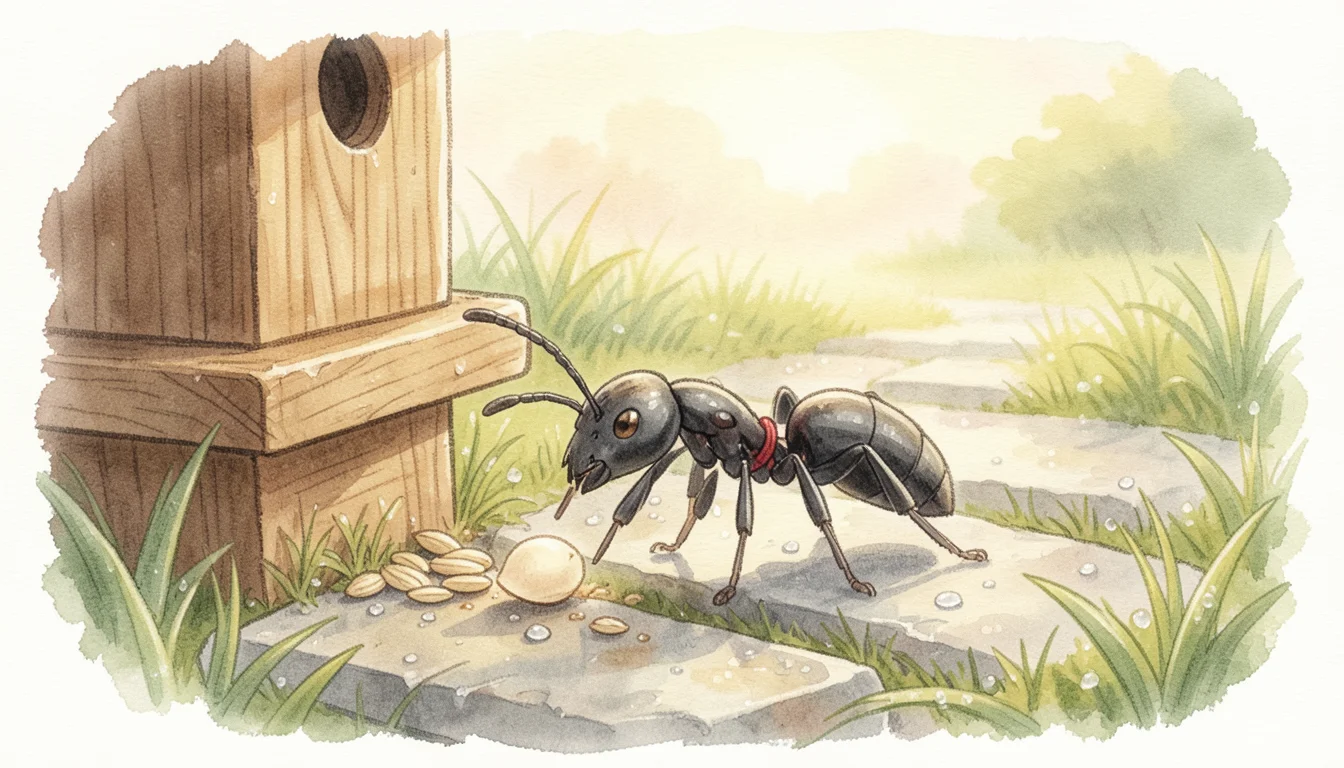
At first light, Mara, a small black garden ant, searched beneath a wooden bird feeder on a stone garden path. She needed food for her colony, and a pale oat crumb waited in the dew.
Can a Tiny Parasite Decide What a Host Does Next?Some parasites influence host behavior in ways that help the parasite spread, showing that survival strategies can include hidden chemical and biological control.
1. At first light, Mara, a small black garden ant, searched beneath a wooden bird feeder on a stone garden path. She needed food for her colony, and a pale oat crumb waited in the dew.
2. By cool evening, Mara found a glistening trail across a wet leaf. She touched it with her antennae and tasted it. The oat crumb could wait; the wet trail seemed easier to follow.
3. The trail carried a passenger too small for Mara to notice: a young lancet liver fluke, a parasite. Its story had begun in an egg passed by a sheep, then continued inside a snail, which released young flukes in sticky slime.
4. One young fluke entered Mara's body with the slime. It settled near a nerve center beneath her head, where chemical messages help guide her legs and jaws. Mara still searched for food, but one hidden message had begun to tug at what she did next.
5. Several days later, at a cool evening, Mara climbed a tall blade of grass. She usually hurried back to the nest before the air chilled her. This time, her jaws closed around the blade, and her six legs held tight.
6. By morning, a calm sheep lowered its head to the grass. The sheep cropped the blade, and Mara's journey ended there, but the young fluke survived. Inside the sheep, it traveled toward the liver it needed.
7. In the sheep's liver, the fluke matured and produced eggs. The eggs left the sheep in its dung, where a hungry snail later swallowed them with a mouthful of damp plants.
8. Inside the snail, new young flukes formed and gathered in sticky droplets. A few weeks later, a new ant named Tavi tasted one of those droplets, and the parasite gained its next host.
9. After days in the colony, Tavi climbed a blade of grass and held fast instead of returning home. He had no map, no orders, and no idea that a chemical signal had changed the pattern of his behavior.
10. Can a tiny parasite decide what a host does next? Not like a person making a plan. Some parasites influence host behavior in ways that help the parasite spread, showing that survival strategies can include hidden chemical and biological control.
Make a story like this →