 Storyclover
Storyclover
Storyclover
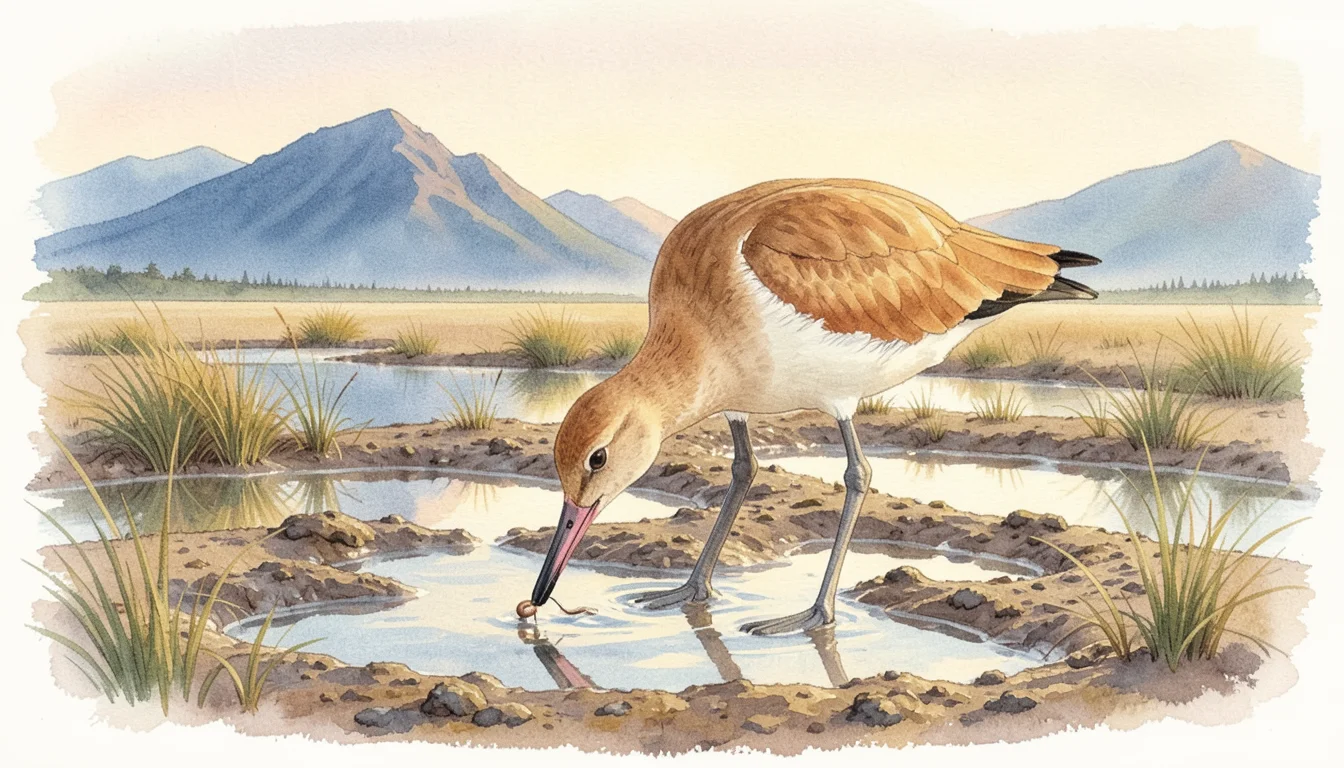
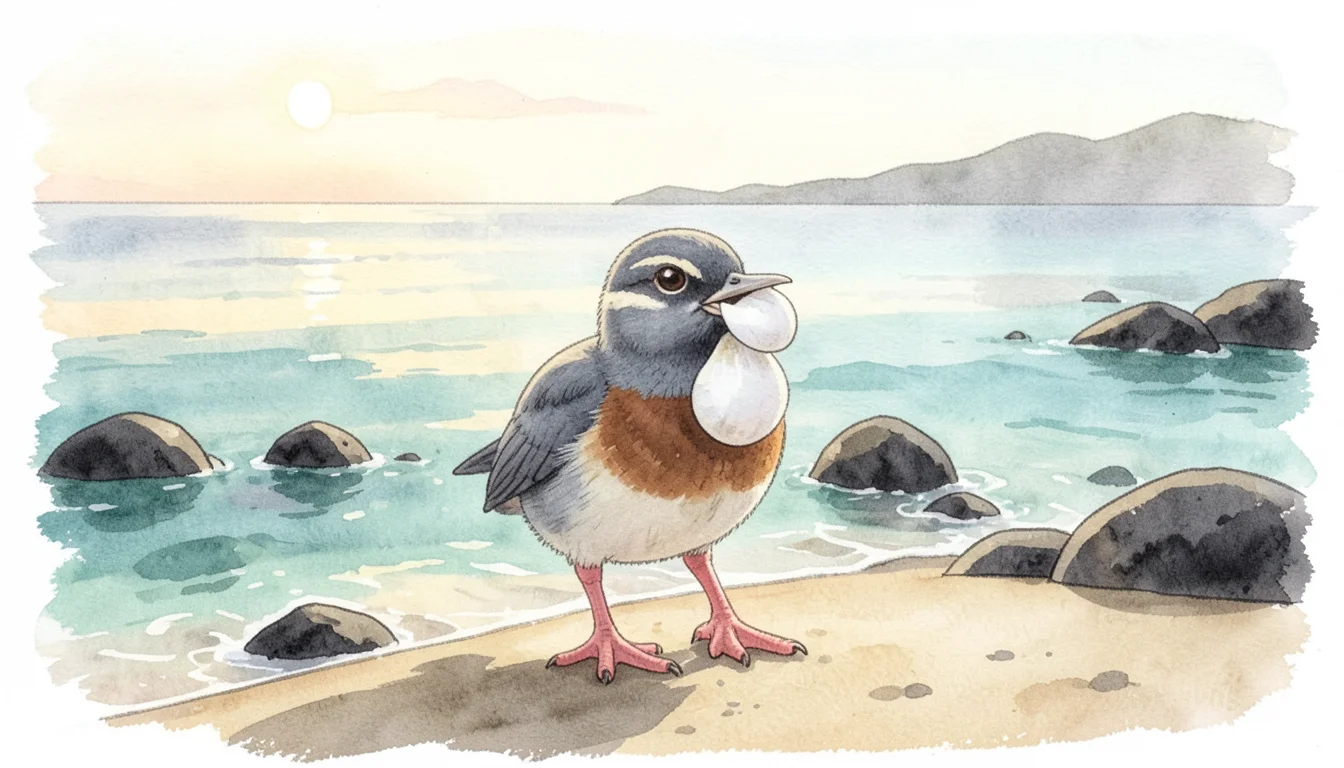
At first light on an Alaskan mudflat, Sori pressed her bill into shining mud and pulled out a worm. The tide had left pools around her, but the northern summer was thinning. Soon, the worms would vanish beneath frost, and the rich feeding grounds far south would be gone unless she reached them in time.
Why Do Migrating Birds Risk a Journey With No Land Below?Long-distance migrants trade danger for survival, using stored energy, winds, stars, magnetic cues, and inherited routes to reach feeding or breeding grounds.
1. At first light on an Alaskan mudflat, Sori pressed her bill into shining mud and pulled out a worm. The tide had left pools around her, but the northern summer was thinning. Soon, the worms would vanish beneath frost, and the rich feeding grounds far south would be gone unless she reached them in time.
2. She ate until her body stored extra fuel beneath her feathers. The weight made her wings feel different, yet that fuel would keep her alive where the ocean offered nothing to eat. On the last mild morning, she faced the open water.
3. Sori left the mudflat with a full belly and a route she had never seen. Beneath her, the sea stretched without a resting island; ahead, the horizon made no promise. She kept her wings steady.
4. A tailwind carried Sori farther for less effort, if she listened with her feathers and adjusted her wings. The wind could become a road instead of a wall. Still, every mile spent some of the fuel tucked inside her body.
5. Night came gently. With the ocean silver under moonlight, Sori held a line between the stars, using their patterns as a sky compass. No road was painted above her, but the turning heavens gave her a direction.
6. Then clouds covered the stars. Sori could not see the sky compass, so she tipped her head and felt the faint pull of Earth's magnetic field. It was as if the planet had laid an invisible thread through the air, and her body could notice which way it ran.
7. A headwind met her before dawn and wrinkled the sea below. Sori changed the angle of her wings until the moving air helped again. The wind was no longer only a wall; it became a road.
8. For days, the route remained only water, sky, and the quiet work of her wings. Sori had never been taught this ocean crossing by a parent, yet the direction was written partly in her inherited instincts. When stars and magnetism agreed, she followed.
9. At last, green marsh appeared beneath a pale dawn. Sori lowered her blue-gray legs toward mud that held worms, shelter, and a place to rest. The empty distance behind her had not been empty of help: wind, sky, and Earth's hidden field had carried their clues.
10. Sori bent her bill into the wet earth and found food. Her journey had been risky, but staying north would have meant running out of food. Long-distance migrants trade danger for survival, using stored energy, winds, stars, magnetic cues, and inherited routes to reach feeding or breeding grounds.
Make a story like this →