 Storyclover
Storyclover
Storyclover
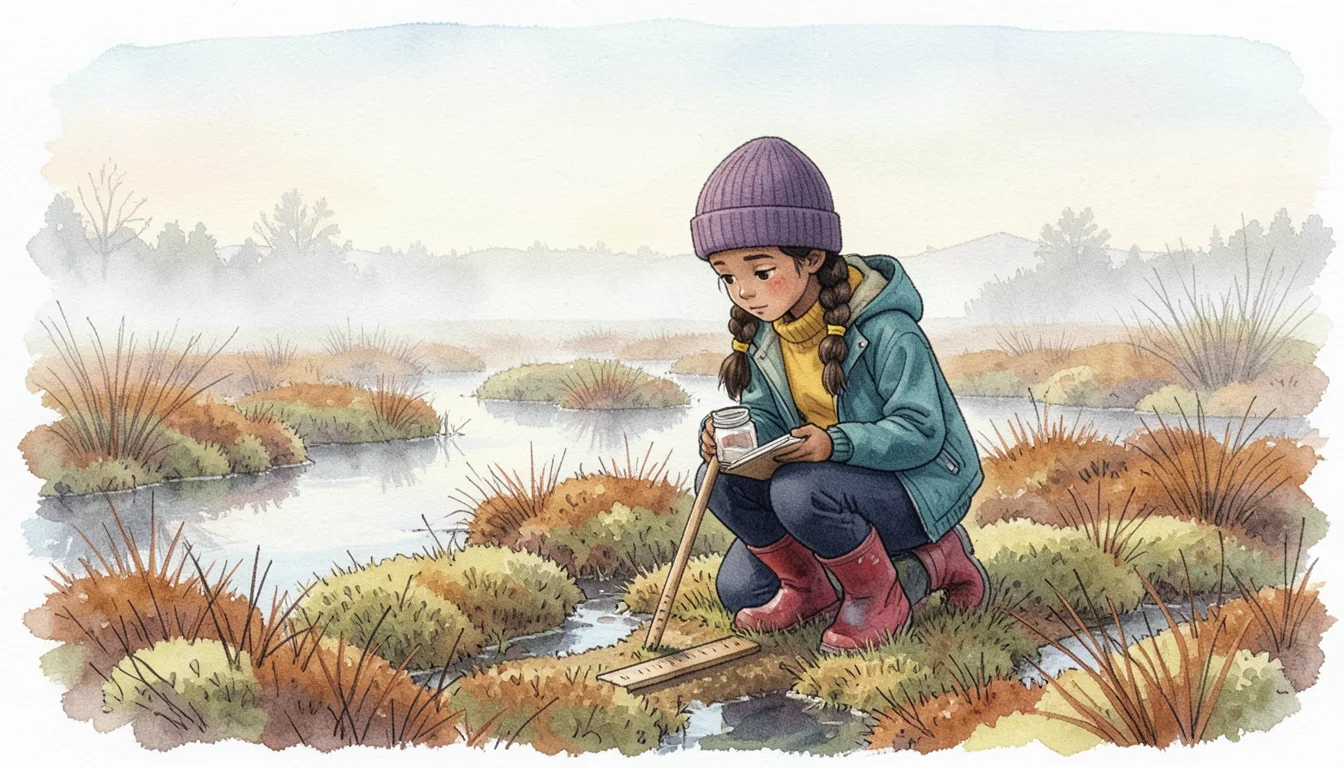
At first light, Mara knelt beside Brackenmere Bog and pressed a wooden ruler into the springy ground. She wanted to find out what the bog had been keeping—and gather enough evidence to stop a drainage ditch from cutting through it.
The Peat Bog That Locked Away Ancient AirWaterlogged bogs slow decay, storing plant carbon for centuries and preserving clues about past climates, but they can release carbon when drained or burned.
1. At first light, Mara knelt beside Brackenmere Bog and pressed a wooden ruler into the springy ground. She wanted to find out what the bog had been keeping—and gather enough evidence to stop a drainage ditch from cutting through it.
2. The surface looked like a carpet of moss, but beneath Mara’s hand it quivered like a soaked sponge. Dead stems had fallen into the water and stayed there instead of crumbling away.
3. At an old cut in the peat, Mara held her glass jar beneath a bead of water. A bubble rose through the brown layers and trembled at the surface. It was not a whole breath from the past, but it showed how the bog could hold gases and water in its quiet pores.
4. She followed the shallow ditch to its dry edge. Where the water had been led away, the peat had cracked into hard, dark plates, and the moss lay pale and thirsty. The bog was not silent; it was waiting for water to return.
5. Back at the wet bank, Mara examined a fallen stem in an exposed layer. Its shape was still clear after hundreds of years. Around it, dark peat held the remains of plants that had pulled carbon from the air and carried it into the bog.
6. Layer by layer, the bog offered its record: moss, seeds, pollen, and the chemistry of old water. Together, those clues could tell when the summers were warmer, when rain was scarce, and which plants had grown there.
7. Then Mara found a thin gray stripe in the peat, a scar left by an old burn. Above it, the layer was broken and dry; below it, the peat was dark and wet. She understood that a bog could lock carbon away—or lose it when the water disappeared.
8. Rain began to stipple the pools as Mara carried her notes home. She drew the ditch, the dry plates, the preserved stem, and the gray stripe, then circled the place where the water still lay close to the surface. Her evidence was small, but it told one large story.
9. By morning, the plan had changed. The ditch would be blocked, and a narrow boardwalk would cross the bog without draining it. Mara stood at the edge while rain gathered on the moss and slipped, drop by drop, into the dark peat.
10. Below her boots, old plant carbon remained tucked in water, and tiny pockets held traces of a changing world. The bog had kept some air and its clues from long ago because it stayed wet. Waterlogged bogs slow decay, storing plant carbon for centuries and preserving clues about past climates, but they can release carbon when drained or burned.
Make a story like this →