 Storyclover
Storyclover
Storyclover
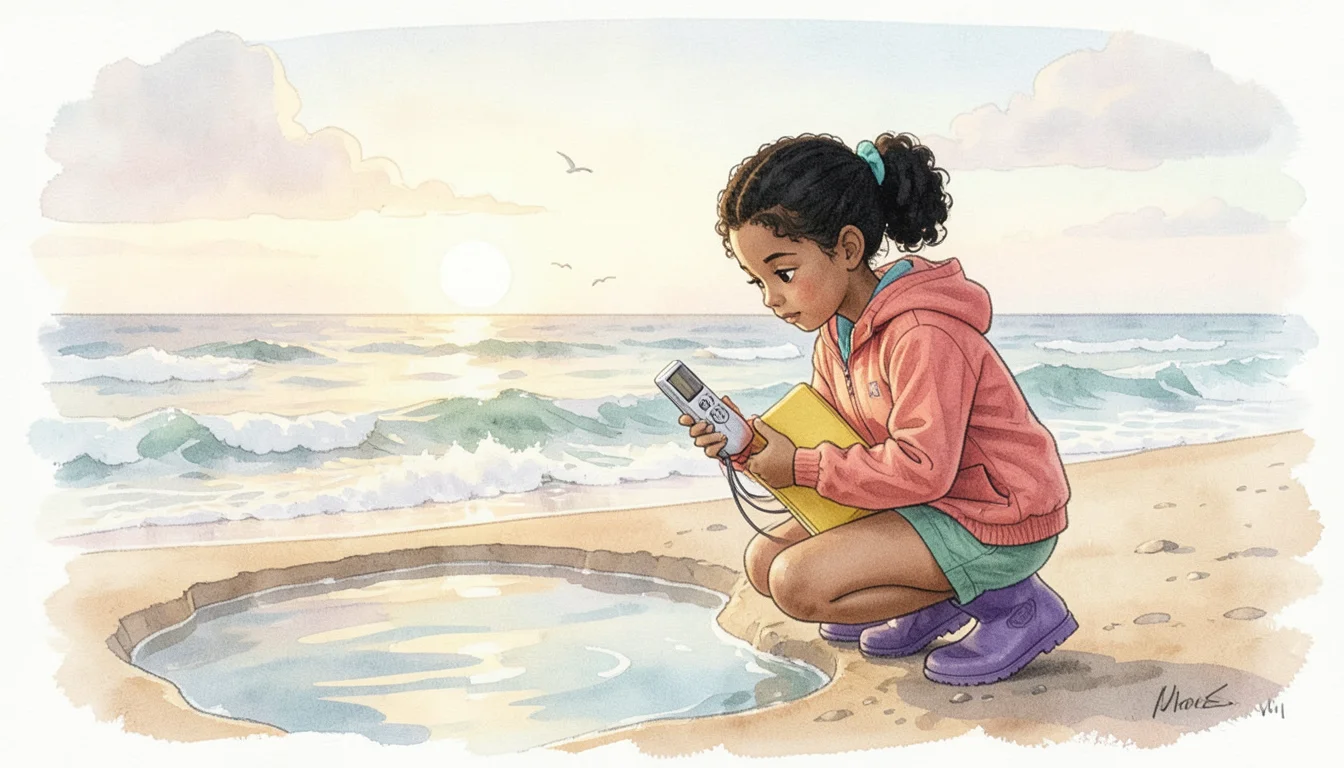
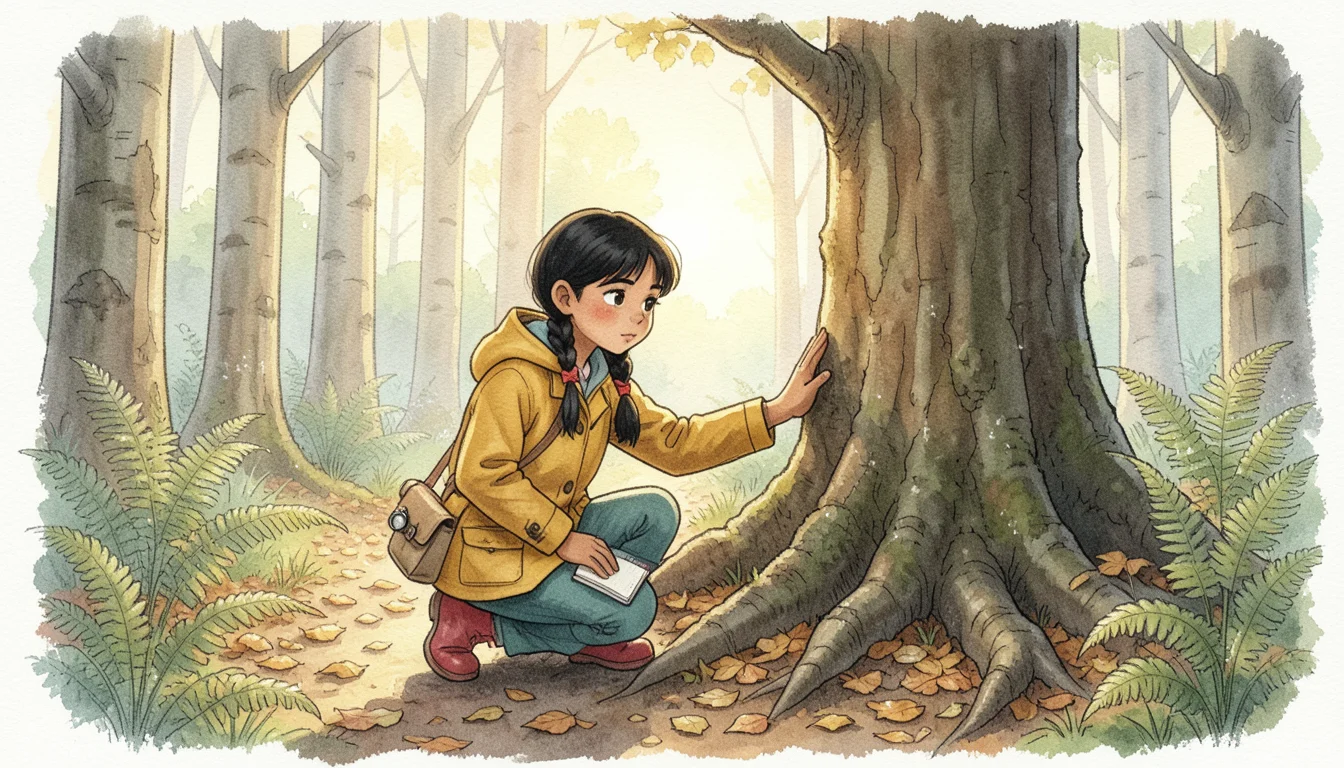
At first light, Mara knelt beside a tide pool and held her recorder toward the sea. She was listening for a humpback whale song she had heard only once.
The Humpback Song That Changed Across an OceanMale humpback whales learn and alter complex songs, and new versions can spread through populations like a living pattern of ocean communication.
1. At first light, Mara knelt beside a tide pool and held her recorder toward the sea. She was listening for a humpback whale song she had heard only once.
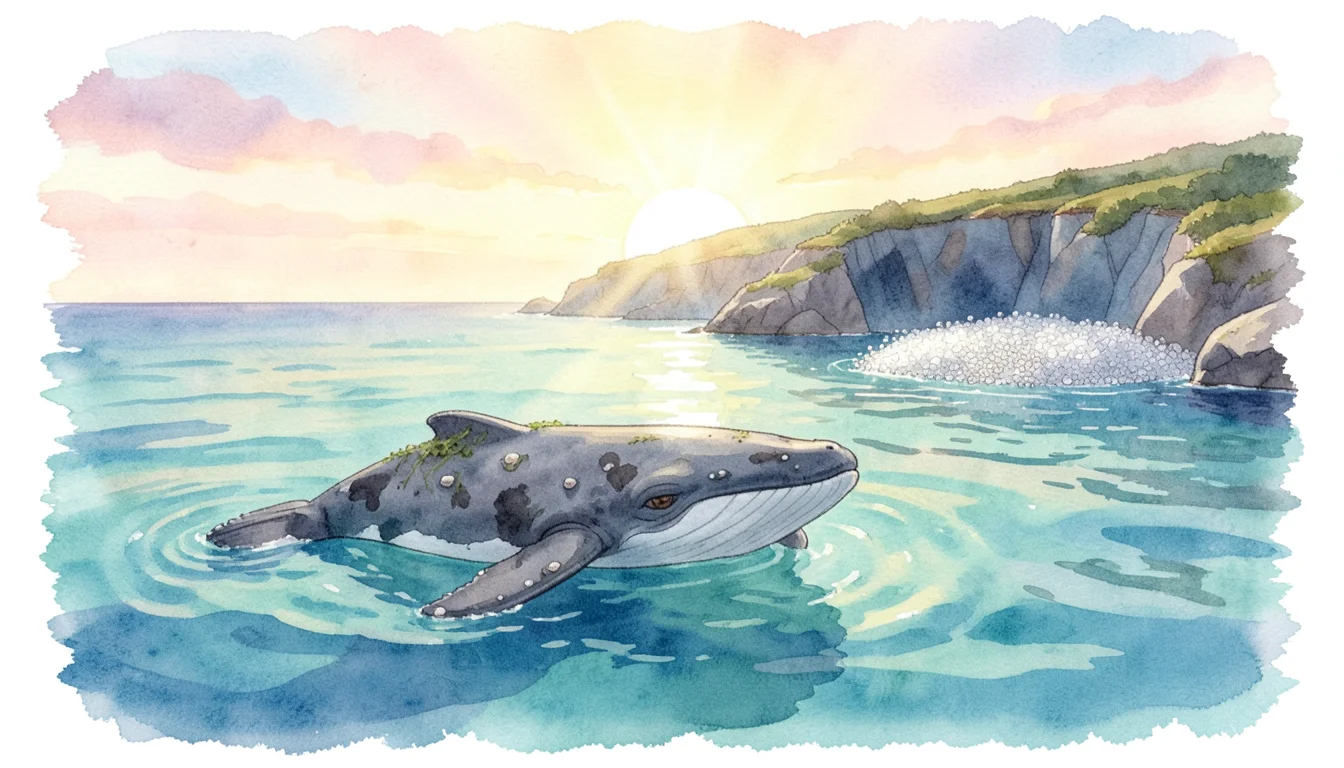
2. Far below the bright surface, a male humpback whale gave a deep note, followed by three shorter notes and a rough, rasping phrase. The pattern was complicated, but it was not random.
3. Mara played the recording through her headphones. The whale’s song had repeating parts, like a sentence with verses inside it, and she marked each part in her notebook.
4. Then the weather turned the ocean into a wall of noise. Waves covered the quieter notes, and Mara could not tell whether the strange phrase belonged to one whale or to many.
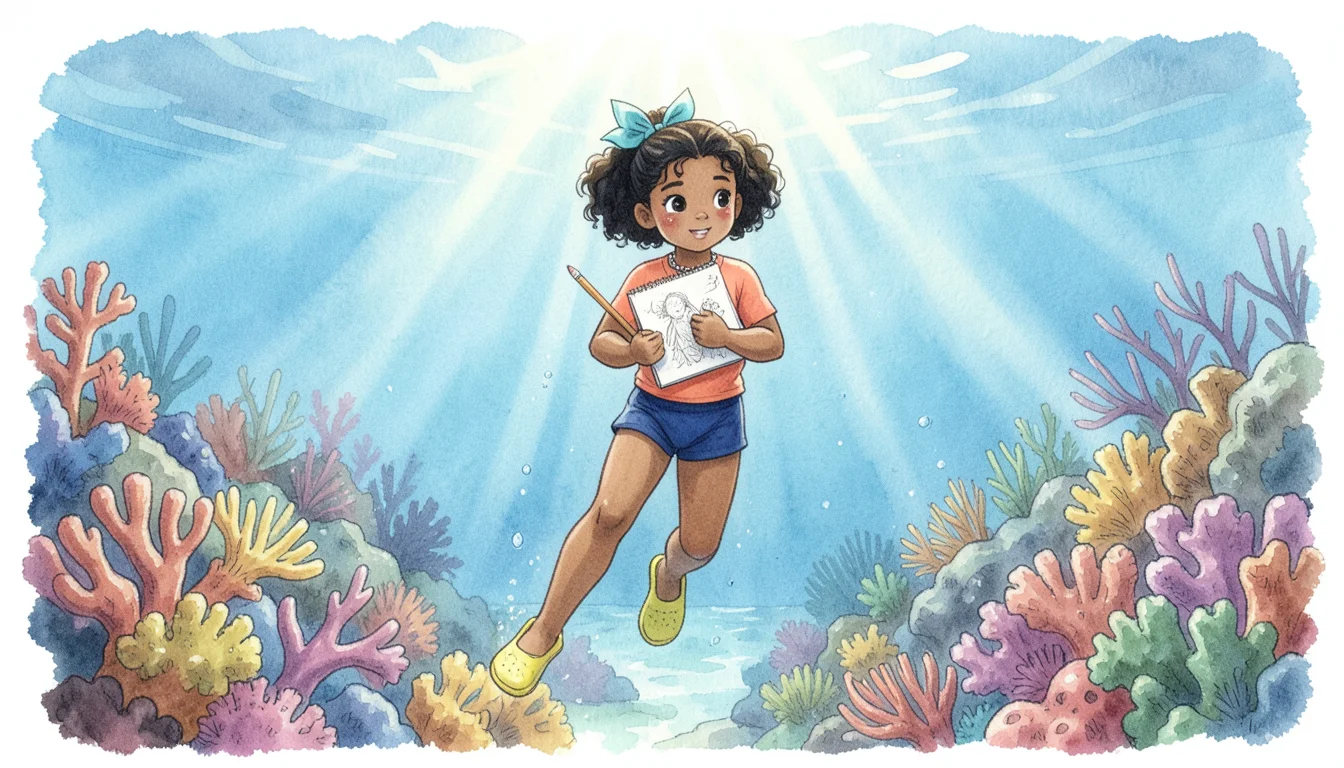
5. When the sea settled, Mara compared recordings from islands far along the ocean’s curve. The older songs shared a familiar structure, but one newer version had slipped into several recordings.
6. The new version was not a mistake in the recording. Male humpback whales can learn songs from one another, change pieces, and repeat the changes until a whole group begins to use them.
7. Across the ocean, the altered phrase appeared in one population, then another. A song could cross hundreds of miles without a map, carried by listening whales and remembered in their voices.
8. Mara closed her notebook as the last notes rolled toward shore. Male humpback whales learn and alter complex songs, and new versions can spread through populations like a living pattern of ocean communication.
Make a story like this →