 Storyclover
Storyclover
Storyclover
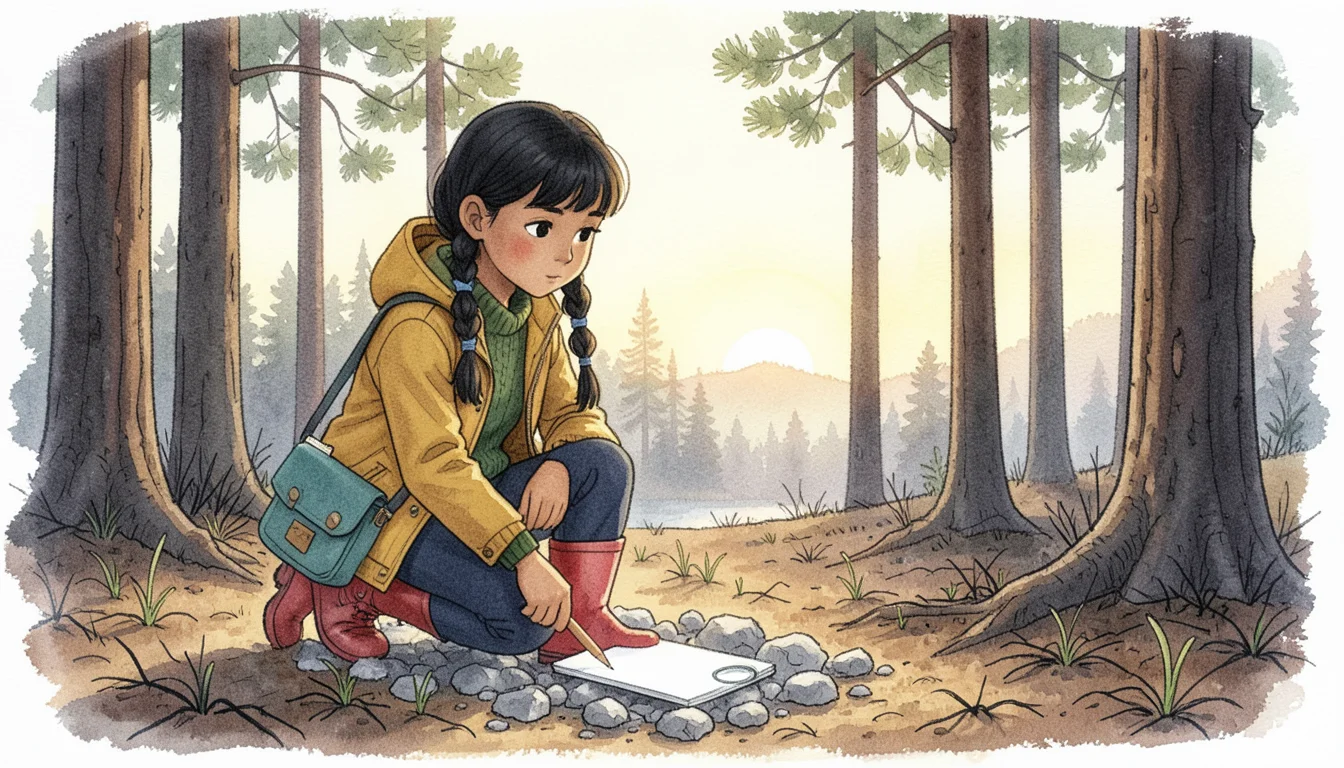
At sunrise, Maya knelt at the edge of a pine forest and pressed her red boot into a patch of cool gray ash. The trunks stood unharmed beyond it, while tiny green shoots pricked through the blackened needles. She opened her notebook to a clean page and wrote the question she had carried all week: Could fire belong in a healthy forest?
Can Fire Be Part of a Healthy Forest?Low-intensity fires can recycle nutrients, open space, trigger some seeds, and reduce fuel, while severe or poorly timed fires can damage soil and habitat.
1. At sunrise, Maya knelt at the edge of a pine forest and pressed her red boot into a patch of cool gray ash. The trunks stood unharmed beyond it, while tiny green shoots pricked through the blackened needles. She opened her notebook to a clean page and wrote the question she had carried all week: Could fire belong in a healthy forest?
2. Ranger Tessa met her at the trail gate and crouched beside a charred twig. This was a planned, low-intensity fire, she explained. It burned across the forest floor, not through the treetops, and the crew watched the wind, weather, and season closely.
3. Maya rubbed a pinch of ash between her fingers, then let it fall. Tessa explained that fire had turned fallen leaves, needles, and small branches into minerals that rain could carry into the soil. The forest had not been fed by a bottle or a bag; it had been fed by what it had already grown.
4. At the edge of the burn, sunlight reached the ground for the first time in years. Grasses and wildflowers had room to rise, and young trees no longer had to push through a roof of tangled shrubs. Maya drew a wide circle around the open patch, as if making space could be something a forest needed.
5. Near a pale stone, Maya found a cluster of seedlings no taller than her thumb. Some forest plants keep seeds sealed in cones or buried in tough coverings until heat or smoke helps release them. Tessa warned her that fire did not wake every seed; it gave certain plants a chance at the right moment.
6. Farther along, the ground held a broken pattern: green moss, bare ash, and untouched islands beneath tall pines. The fire had consumed some dry fallen needles, leaves, and low brush—the fuel that could otherwise build into a heavy layer. A small fire can leave the next fire less to eat, Tessa said.
7. Maya looked from the seedlings to the grasses, shrubs, young trees, and older pines. Tessa called this changing pattern succession: after a disturbance, different communities arrive, grow, and make room for others. A forest could be healthy without looking the same at every age.
8. Then they reached a slope where a hotter fire had burned when the ground was dry and the wind was strong. Almost all the living cover was gone, and rain had carved narrow channels through loose soil. No bright shoots softened that patch yet; roots, insects, nests, and cool shelter had been lost.
9. On another slope, the fire had come too early in spring, before many animals had finished using their feeding and nesting places. Tessa pointed to a quiet hollow under a fallen log, then to the unburned brush around it. Timing mattered, she said, because a forest was soil, plants, animals, water, and shelter woven together.
10. Maya closed her notebook, but she did not close the question. She had wanted one clear answer—fire was either a helper or a harm—and now the forest had given her two answers at once. She chose to keep both.
11. On the walk home, she stepped around a new seedling and looked back at the ash-dark patch beside the living trees. Low-intensity fires can recycle nutrients, open space, trigger some seeds, and reduce fuel, while severe or poorly timed fires can damage soil and habitat.
Make a story like this →