 Storyclover
Storyclover
Storyclover
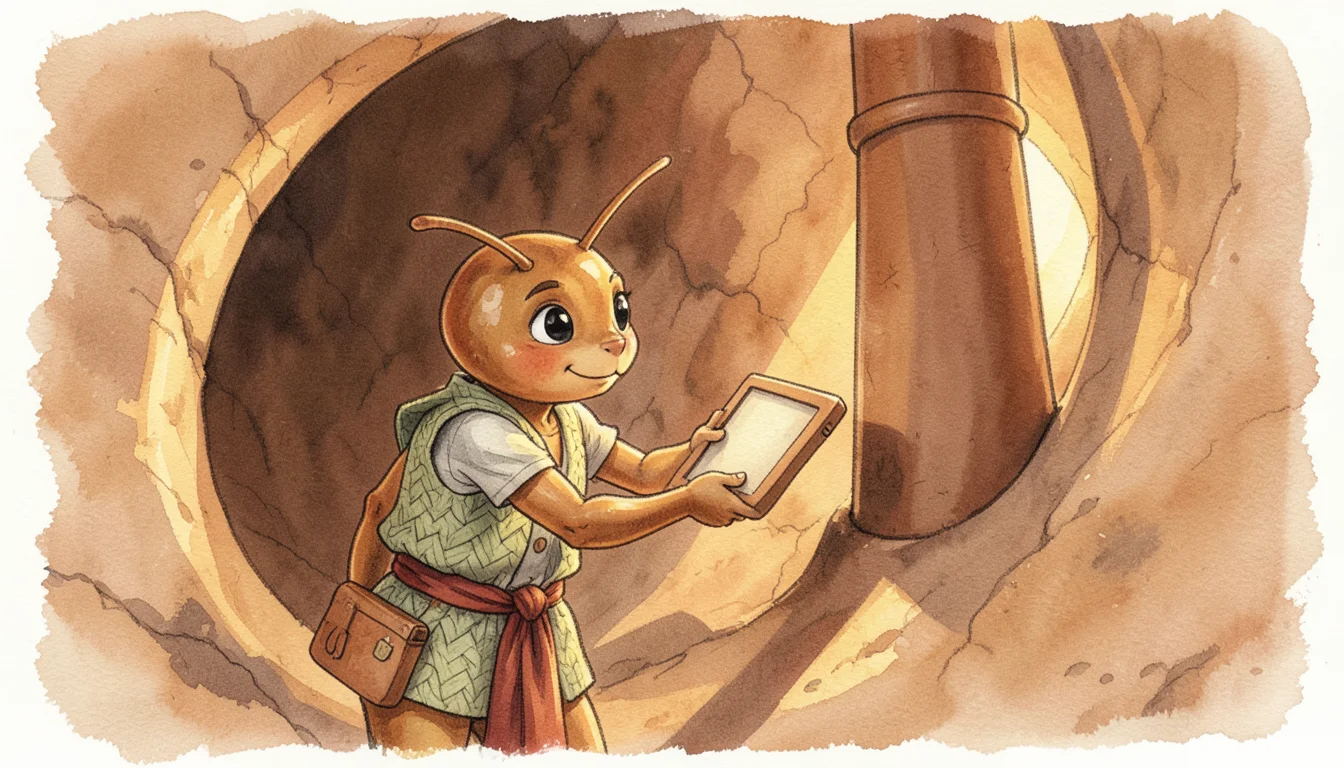
At sunrise, Tavi pressed a tiny clay tablet against the inside wall of a termite mound. The upper tunnel was already warm, and the young worker had until noon to find a cooler route to the fungus garden.
The Termite City That Controls Its Own WeatherTermite mounds use tunnels, heat, moisture, and airflow to regulate conditions for the colony and the fungi some termites cultivate for food.
1. At sunrise, Tavi pressed a tiny clay tablet against the inside wall of a termite mound. The upper tunnel was already warm, and the young worker had until noon to find a cooler route to the fungus garden.
2. Tavi began at a three-way junction below the warm upper halls. The mound held damp chambers, broad rooms, narrow shafts, and quiet side passages, and he recorded how each one felt. The fungus garden needed air that was neither stale nor scorching.
3. Mara, the mound's architect, found Tavi beside a clay wall. “A good city listens to its weather,” she said. “Heat can pull air upward, while cool, damp tunnels keep the lower rooms steady.”
4. Near midday, sunlight warmed the mound’s tall chimneys. Tavi packed one opening with soft clay, hoping to keep the heat outside. For a little while, the upper tunnel felt still.
5. Still was not the same as fresh. In the fungus garden, damp air gathered against the clay combs, and the pale threads of cultivated fungus looked crowded. Tavi held his tablet close and listened to the silence.
6. Mara placed a cool pebble beside the open vent, and a bead of moisture gathered on its surface. “The mound needs a conversation between warm air above and cool air below,” she said. Tavi studied the bead, then the blocked chimney.
7. Together, Tavi and Mara shaped a new vent: a narrow upper chimney linked to a wider lower tunnel, with a damp clay wall between them. The passage gave warm air a way out without surrendering the mound’s moisture.
8. By afternoon, the new passage had steadied the garden. The fungus stayed cool and moist, and its pale threads spread across the combs, ready to become food for the colony.
9. At evening, the air outside cooled, but the city stayed balanced. Tavi understood that the same passages could guide heat, hold moisture, and refresh the rooms as the day changed.
10. Termite mounds use tunnels, heat, moisture, and airflow to regulate conditions for the colony and the fungi some termites cultivate for food. Tavi tucked his tablet beneath his foreleg and listened to the city breathe through its clay walls.
Make a story like this →