 Storyclover
Storyclover
Storyclover
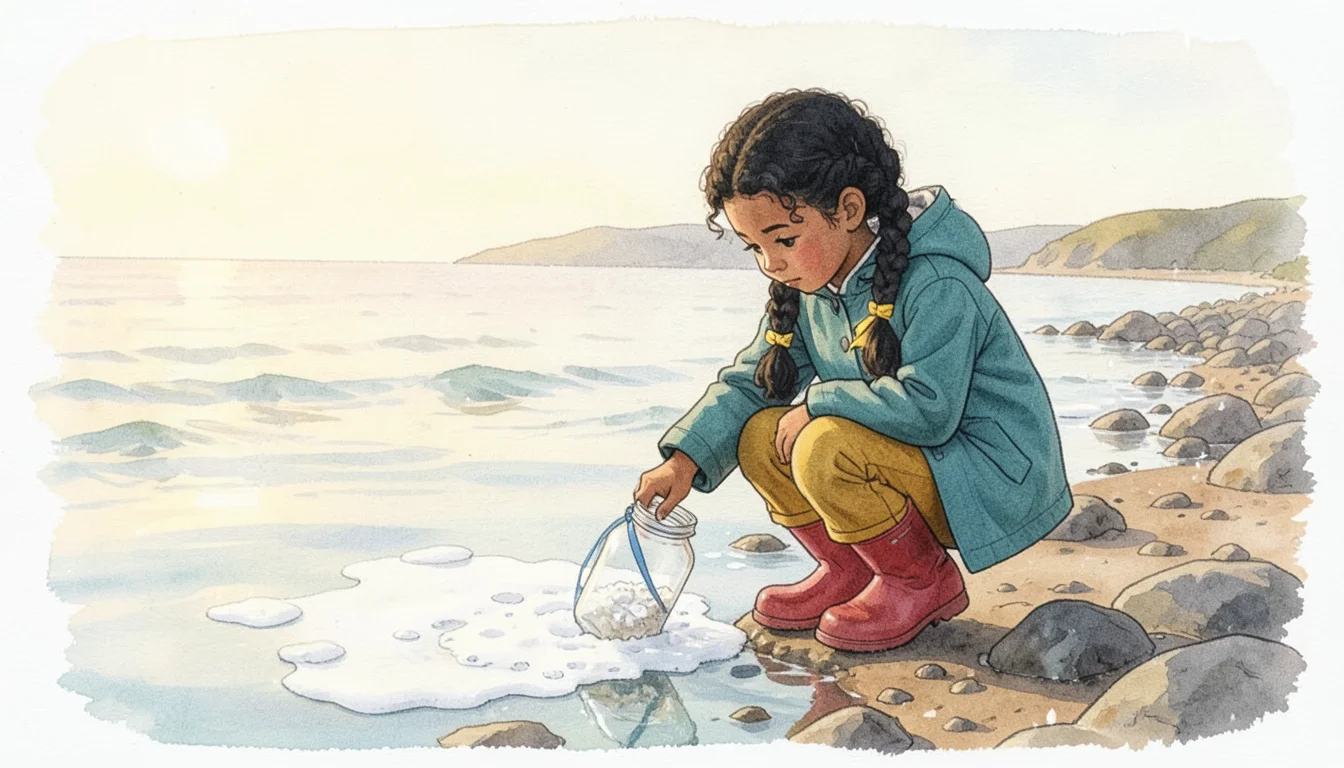
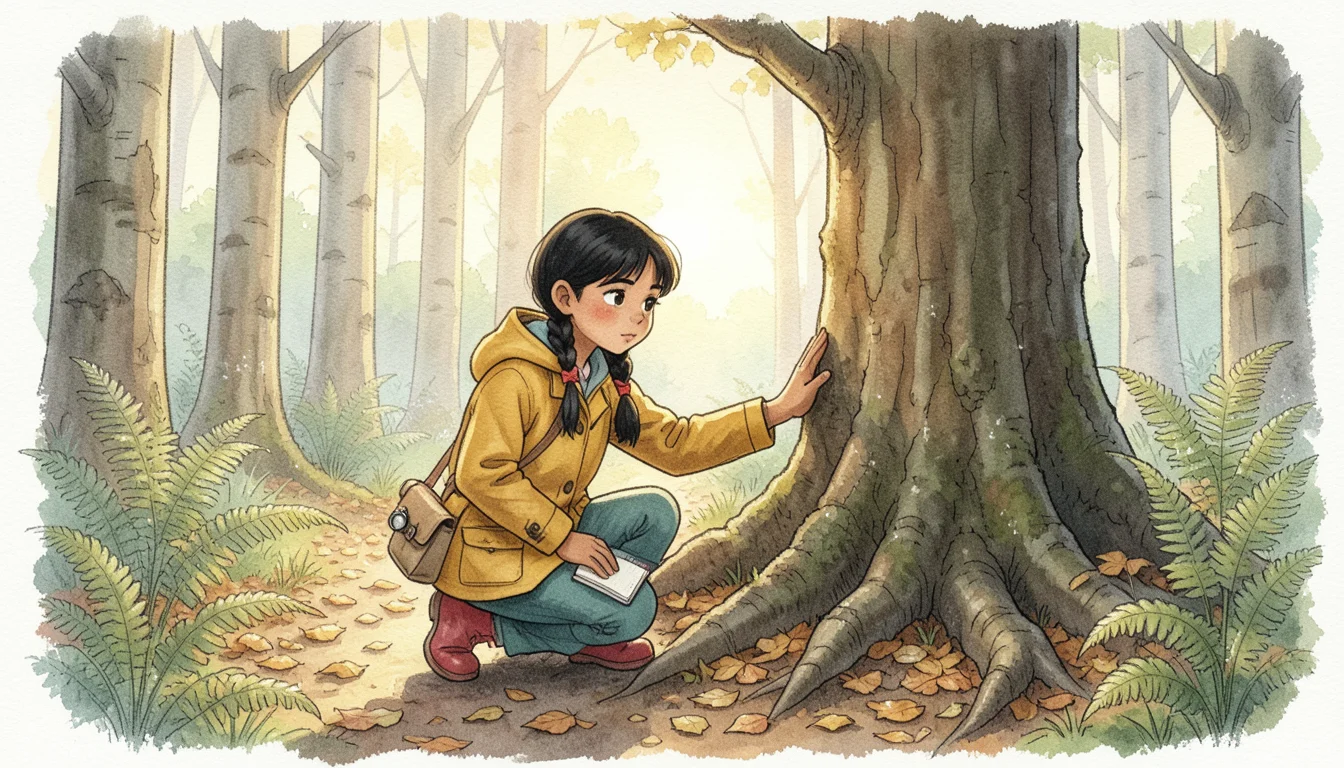
At dawn on a rocky shore, Maya knelt beside a tidal pool and dipped her jar into the sea. She had come to answer one question: What would Earth lose if the smallest plankton vanished?
What Would Earth Lose if the Smallest Plankton Vanished?Microscopic plankton help feed ocean food webs, produce oxygen, and move carbon through the sea, so tiny organisms can influence planetary systems.
1. At dawn on a rocky shore, Maya knelt beside a tidal pool and dipped her jar into the sea. She had come to answer one question: What would Earth lose if the smallest plankton vanished?
2. By midmorning, Maya placed a drop of seawater beneath the microscope. The clear drop held a whole ocean of possibility, but to her unaided eyes, the water looked empty.
3. Maya checked the lamp, rinsed the slide, and tried again. Still, the view seemed blank. The answer was not merely hidden; it was too small to see.
4. Then Maya adjusted the focus by the tiniest turn. A forest of green specks appeared, each one alive and drifting. These were phytoplankton, microscopic plants using sunlight to build their bodies.
5. The green specks became food for tiny drifting animals. Those animals fed small fish, the small fish fed larger fish, and the web widened until it reached birds, seals, and people.
6. As sunlight reached the phytoplankton, they released oxygen as they grew. Some of that oxygen entered the water, and some joined the air above it, adding to what ocean animals and land animals breathe.
7. The phytoplankton also took in carbon dioxide. When plankton were eaten, their carbon moved through the food web, and some of it traveled down into the sea, where it could remain for a long time.
8. Maya imagined the smallest plankton gone. The ocean would not become empty in a single breath, but its food webs would lose their first links, while oxygen production and carbon’s journey through the sea changed too.
9. Maya carried the jar back to the tide pool and poured the seawater home. She had searched for a large answer, but it had arrived in a drop small enough to rest on a fingertip.
10. Microscopic plankton help feed ocean food webs, produce oxygen, and move carbon through the sea. Tiny organisms can influence planetary systems.
Make a story like this →