 Storyclover
Storyclover
Storyclover
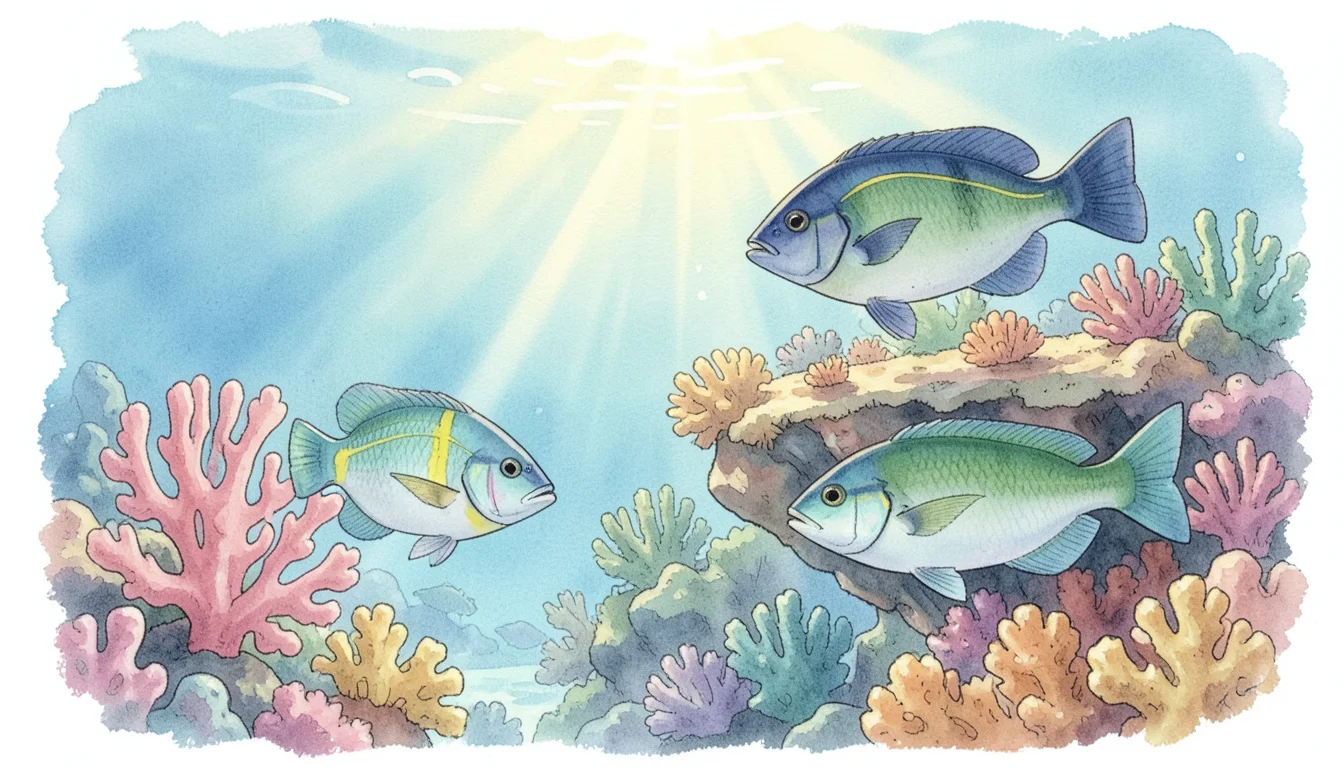
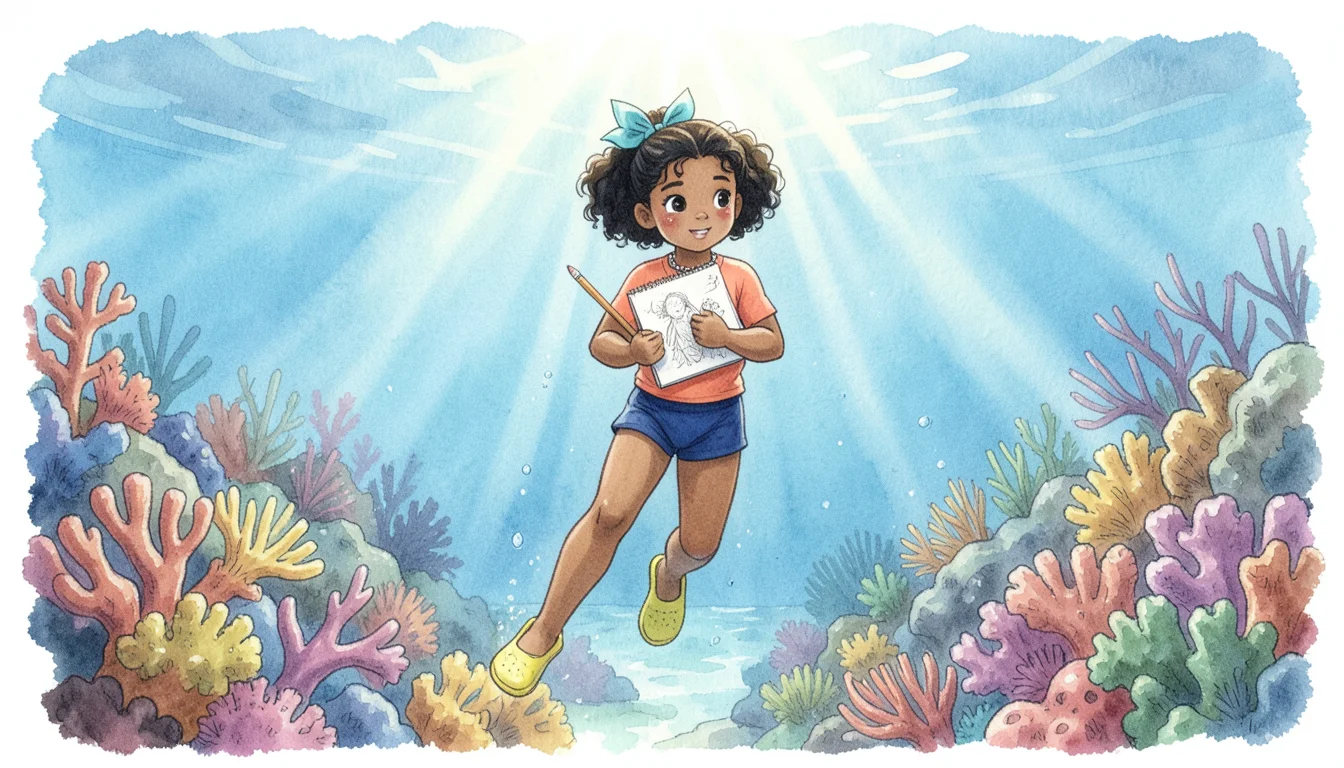
At first light, Rill slipped between coral branches toward the reef’s spawning ledge. She was a young adult bluehead wrasse, and each morning she watched the adults gather there. Taro, the reef’s adult male, held the open water above Sela and the other females. Rill wanted to earn a place in that bright, busy circle.
Why Do Some Fish Change Sex When the Reef Needs It?In several reef fish species, social conditions can trigger a change from one sex to another, helping the group keep reproducing when key adults disappear.
1. At first light, Rill slipped between coral branches toward the reef’s spawning ledge. She was a young adult bluehead wrasse, and each morning she watched the adults gather there. Taro, the reef’s adult male, held the open water above Sela and the other females. Rill wanted to earn a place in that bright, busy circle.
2. Each morning, Rill practiced the reef’s small rules. She kept near the coral, left room for larger fish, and watched Taro hold the spawning ledge. When the sun turned the water silver, he joined the females above it. Rill stayed at the edge, storing every turn and pause in her sharp little memory.
3. Then a storm crossed the reef. By the next clear morning, Taro had not returned. Rill waited beside the spawning ledge while the group gathered without its adult male. Sela, the largest female, held herself low among the coral, as if the empty space above her were suddenly too large.
4. By afternoon, Sela began taking that empty space. She rose above the ledge, drove away a visiting male, and returned to the same patch of water again and again. Rill kept close to a sea fan, watching. The change had started with behaviour before anyone could see what was happening inside Sela’s body.
5. Over the next few days, Sela’s body followed her new role. Hormones changed the organs that had made eggs; they began developing the parts needed to make sperm. Her scales took on a deeper blue-green sheen, and the group began treating her as its male. Rill no longer searched the empty water above the ledge. She watched Sela there instead.
6. At last, the spawning circle formed again. Rill joined the females over the coral, and Sela released sperm as eggs drifted through the sunlit water. Tiny currents carried the two together. The reef’s next generation had a chance.
7. Rill could not name hormones or social conditions. She only knew that the reef had changed, and its fish had answered the change together. One fish had vanished; another had changed, and spawning could continue.
8. The coral ledge shone under the evening sun, crowded with fins, eggs, and new possibilities. Rill rested near Sela while the water carried life onward. In several reef fish species, social conditions can trigger a change from one sex to another, helping the group keep reproducing when key adults disappear.
Make a story like this →