 Storyclover
Storyclover
Storyclover
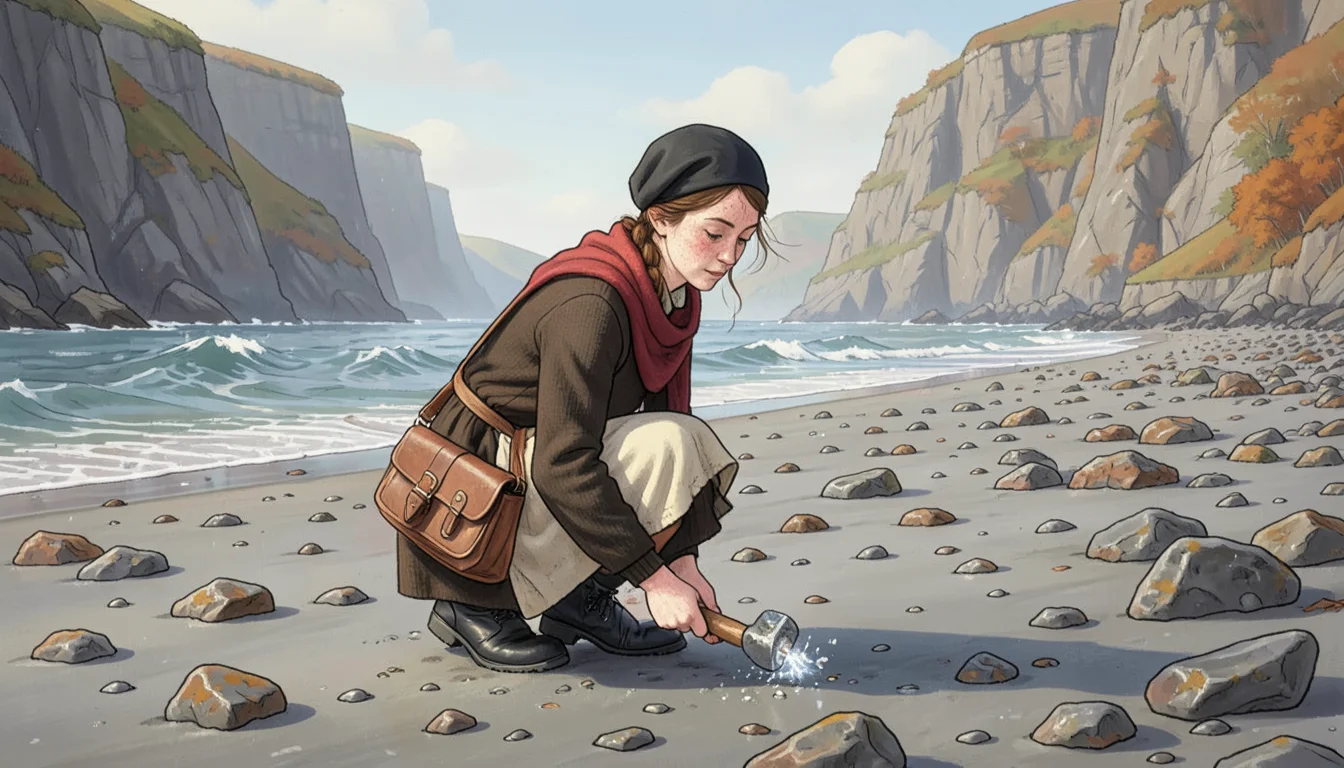
At low tide on the Lyme Regis shore, Mary Anning crouched among the fallen stones. She tapped one with her hammer and listened for the shape hidden inside.
Mary Anning Found Fossils Before Science Had Room for HerMary Anning's careful fossil discoveries helped change ideas about ancient life, even while many scientists refused to credit a young working-class woman.
1. At low tide on the Lyme Regis shore, Mary Anning crouched among the fallen stones. She tapped one with her hammer and listened for the shape hidden inside.
2. Mary had learned to notice what other people stepped over. A curved shell, pressed into dark rock, could be a clue from a world no living person had seen.
3. Her family sold fossils to visitors who wanted a souvenir from the cliffs. Mary wanted more than a sale. She wanted to know what each strange piece had been.
4. Storms loosened the cliffs and uncovered new bones. Mary searched after the waves withdrew, when the rock was wet and every fragile edge showed clearly.
5. One morning, Mary found a row of bones longer than her arm. She cleared the stone grain by grain, refusing to guess where the rest might be.
6. The bones formed a long-snouted creature unlike anything alive nearby. Mary cleaned them, measured them, and fitted the pieces together before she showed them to anyone.
7. Visitors came to inspect Mary's discoveries. Some listened closely. Others bought the fossils, carried them away, and spoke about the wonders of the ancient world as if Mary had not been there.
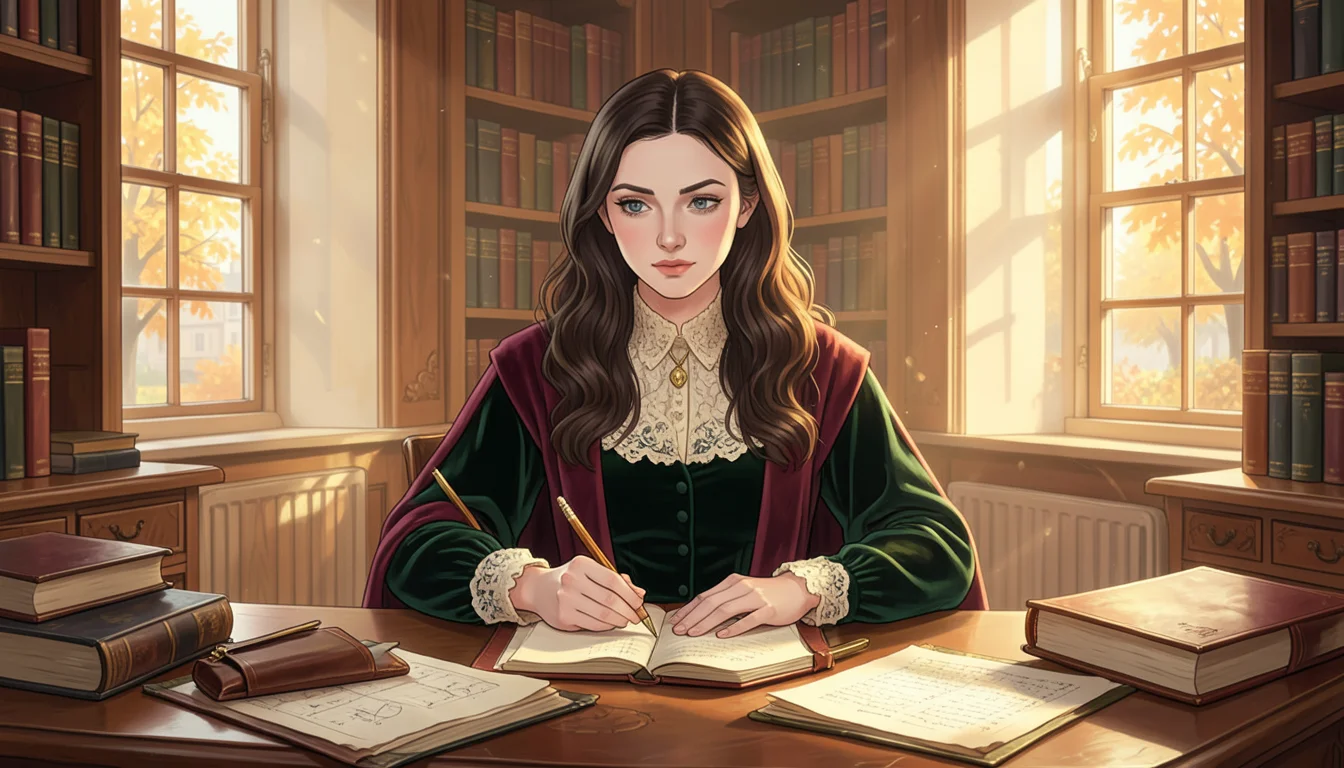
8. Science had rules about who was allowed to speak. Mary was young, poor, and a woman, so learned men often used her evidence without giving her a place among them.
9. Mary kept working. When a drawing placed a bone wrongly, she noticed. When an explanation ignored a fossil's shape, she tested it against the stone in her hands.
10. Her fossils showed that Earth had a deep past filled with creatures unlike the animals of her own time. The old explanations no longer fit every bone.
11. Mary's work traveled farther than her name. Her discoveries helped naturalists compare ancient creatures, revise their ideas, and imagine life changing across immense stretches of time.
12. Many scientists still refused to credit a young working-class woman. Yet Mary's careful fossil discoveries helped change ideas about ancient life, even while science had not made room for her.
Make a story like this →