 Storyclover
Storyclover
Storyclover
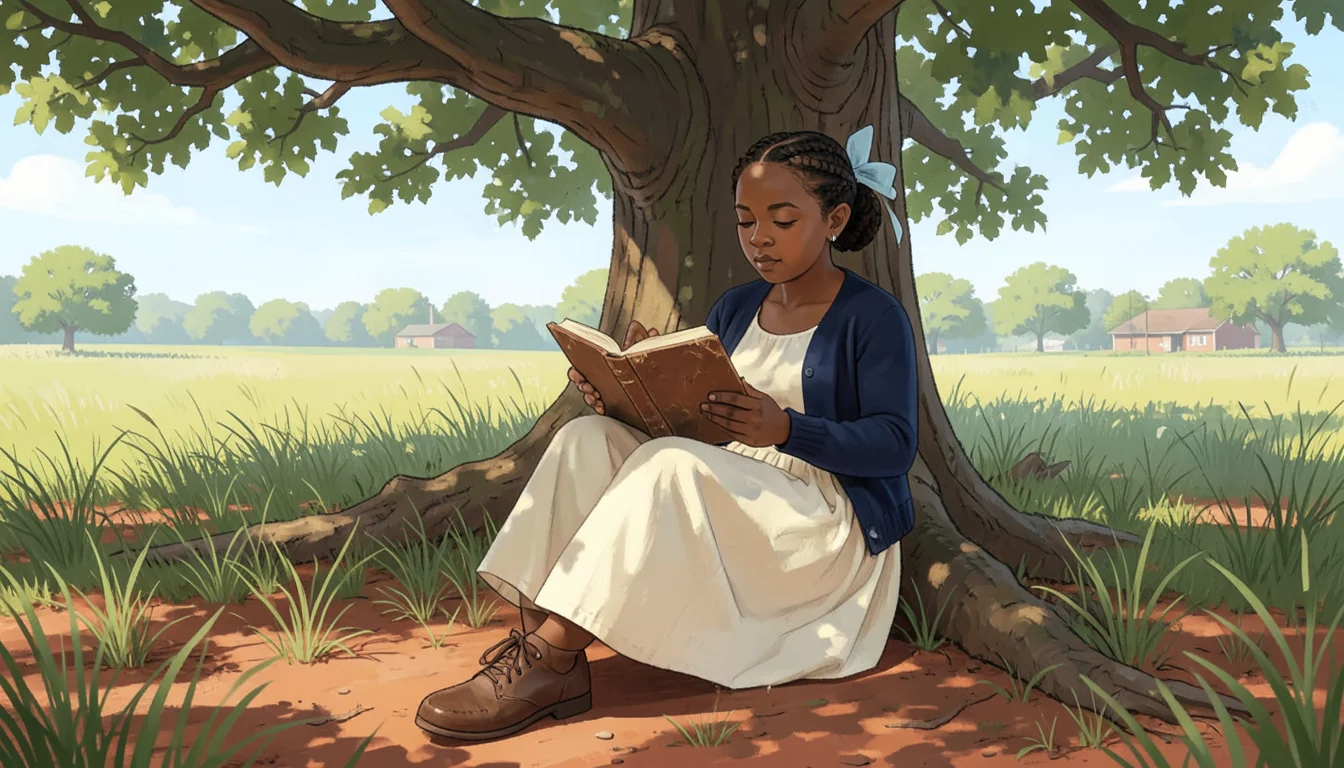
On a warm afternoon in Stamps, Arkansas, Maya sat beneath an oak tree with a book open on her knees. The words were small, but they made a wide place inside her.
Maya Angelou Rebuilt Her Voice One Page at a TimeMaya Angelou transformed silence, memory, and sharp observation into poems and books that spoke about dignity without pretending life was simple.
1. On a warm afternoon in Stamps, Arkansas, Maya sat beneath an oak tree with a book open on her knees. The words were small, but they made a wide place inside her.
2. Maya listened closely to every voice around her—the warm ones, the careless ones, and the voices that made a person feel smaller. She stored each sound away.
3. For a long time, Maya did not speak. Silence sat beside her like a heavy bowl, full of things she could not yet pour out.
4. Books became her companions. In their pages, people carried sorrow, wit, hunger, courage, and questions without having to hide any of them.
5. Maya watched the world as if it were telling a story. She noticed the tilt of a hat, the pause before an answer, and the way tired hands still offered help.
6. She began with one line, then crossed it out. She tried another, listened to its rhythm, and kept the words that sounded true.
7. Years later, Maya carried her pages into rooms where people were fighting to be heard. Her memories had become language, and language could stand upright.
8. She wrote about joy that arrived unexpectedly and injustice that refused to disappear. She did not smooth life flat; she gave its rough edges a voice.
9. When Maya read aloud, her voice held many rooms at once: the quiet room, the crowded room, the room where someone had been overlooked, and the room where someone finally stood tall.
10. A child who had been listening picked up one page and began to read. Maya waited, giving the new voice room to find its shape.
11. Maya Angelou transformed silence, memory, and sharp observation into poems and books that spoke about dignity without pretending life was simple.
Make a story like this →