 Storyclover
Storyclover
Storyclover

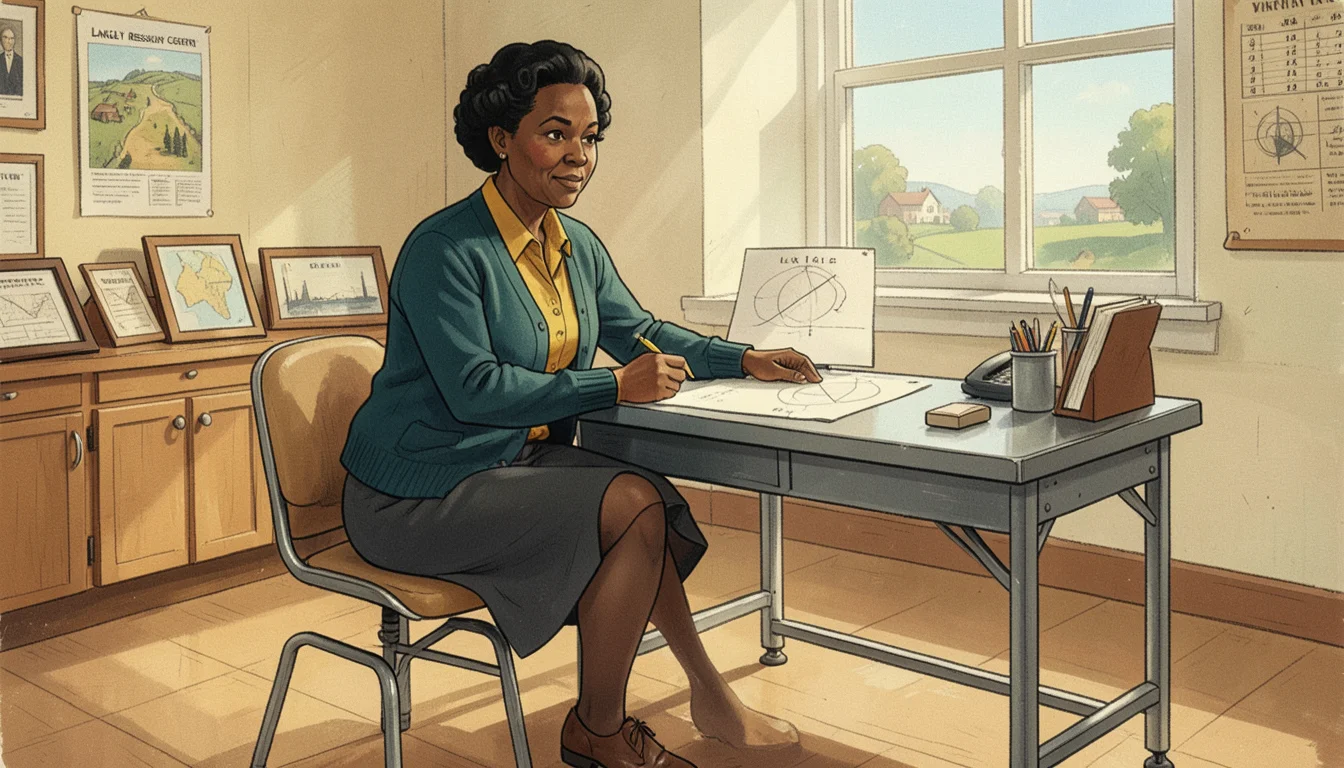
On an autumn morning in 1935, Alan Turing held a pencil above a sheet of paper at his desk in King's College, Cambridge. He was trying to make a question precise: Could a machine follow rules and do any calculation a person could describe?
Alan Turing Asked Whether a Machine Could ThinkAlan Turing helped shape computer science by turning big questions about logic, code, and intelligence into problems that machines might solve.
1. On an autumn morning in 1935, Alan Turing held a pencil above a sheet of paper at his desk in King's College, Cambridge. He was trying to make a question precise: Could a machine follow rules and do any calculation a person could describe?
2. He began with logic. If every step could be written as a rule, he wondered, could one machine carry out any calculation that a person could describe?
3. Yet “think” was slippery. A machine might follow rules perfectly without explaining what it was doing, while a person might answer in ways no list of rules could predict. The word itself seemed too large to fit inside a yes-or-no answer.
4. When war came to Britain, Turing joined the codebreakers at Bletchley Park. Secret messages had been scrambled into patterns, and the people there needed a way to test possible settings quickly.
5. Turing helped design a machine called the Bombe. It did not think as a person does. It tested possibilities, rejected the wrong ones, and kept the useful clues.
6. The Bombe’s success did not settle his question. When peace returned, Turing turned again to the puzzle, and in 1950 he put it into a new form: Can machines think?
7. Instead of arguing about what the word meant, he suggested an imitation game. A person would send questions through a screen, and the answers would give clues about whether a person or a machine was replying.
8. The game did not make the question easy, but it made the question testable. Turing had turned a foggy argument into a problem: What evidence could count as an answer?
9. His questions reached beyond one machine or one year. Alan Turing helped shape computer science by turning big questions about logic, code, and intelligence into problems that machines might solve.
Make a story like this →