 Storyclover
Storyclover
Storyclover
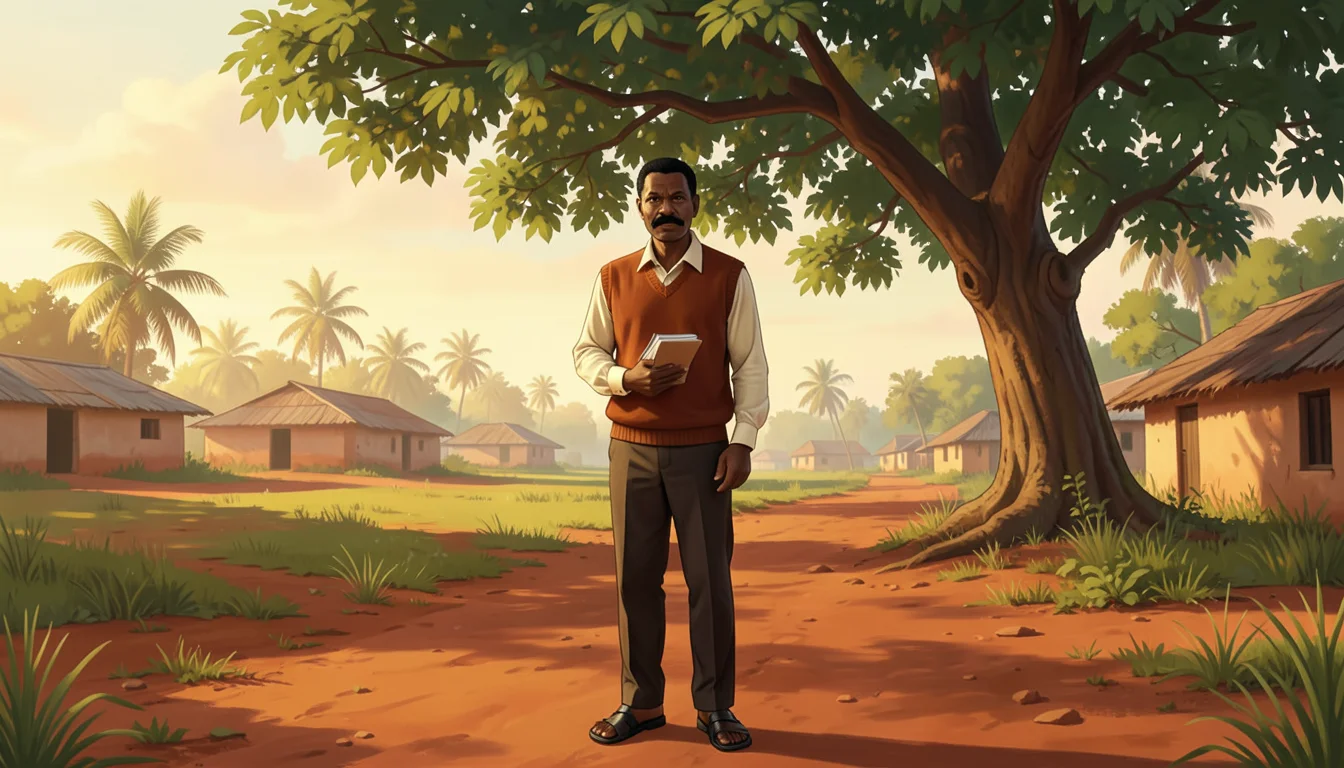
In the late afternoon, Chinua Achebe carried his notebooks beneath a broad tree and listened to the village around him.
Chinua Achebe Wrote Back When One Story Was Not EnoughChinua Achebe's novels challenged narrow outside views of Africa by showing complex communities, choices, and consequences from within.
1. In the late afternoon, Chinua Achebe carried his notebooks beneath a broad tree and listened to the village around him.
2. He had heard stories about Africa told by people who had never lived there. Their pages often made whole communities seem simple, silent, or strange.
3. Achebe did not throw those stories away. He asked what they had left out.
4. He knew a village held many voices: the proud and the doubtful, the careful and the reckless, the people who agreed and the people who did not.
5. He listened to proverbs, arguments, jokes, ceremonies, work, and memories. Each voice opened another door.
6. Then he began a novel about Okonkwo, a man determined to be strong in a world where strength could protect a family and also wound it.
7. In Things Fall Apart, readers met a community before outsiders tried to define it. They saw celebrations, laws, faith, work, humor, and difficult choices.
8. A young reader turned the pages and found no single kind of African life waiting there. The story was full of people making choices, and living with what followed.
9. Achebe kept writing because one answer could not hold a whole people. A story needed room for tenderness, conflict, courage, error, and change.
10. His novels answered narrow outside views not with one perfect picture, but with many lives seen from within: complex communities, choices, and consequences.
Make a story like this →