 Storyclover
Storyclover
Storyclover
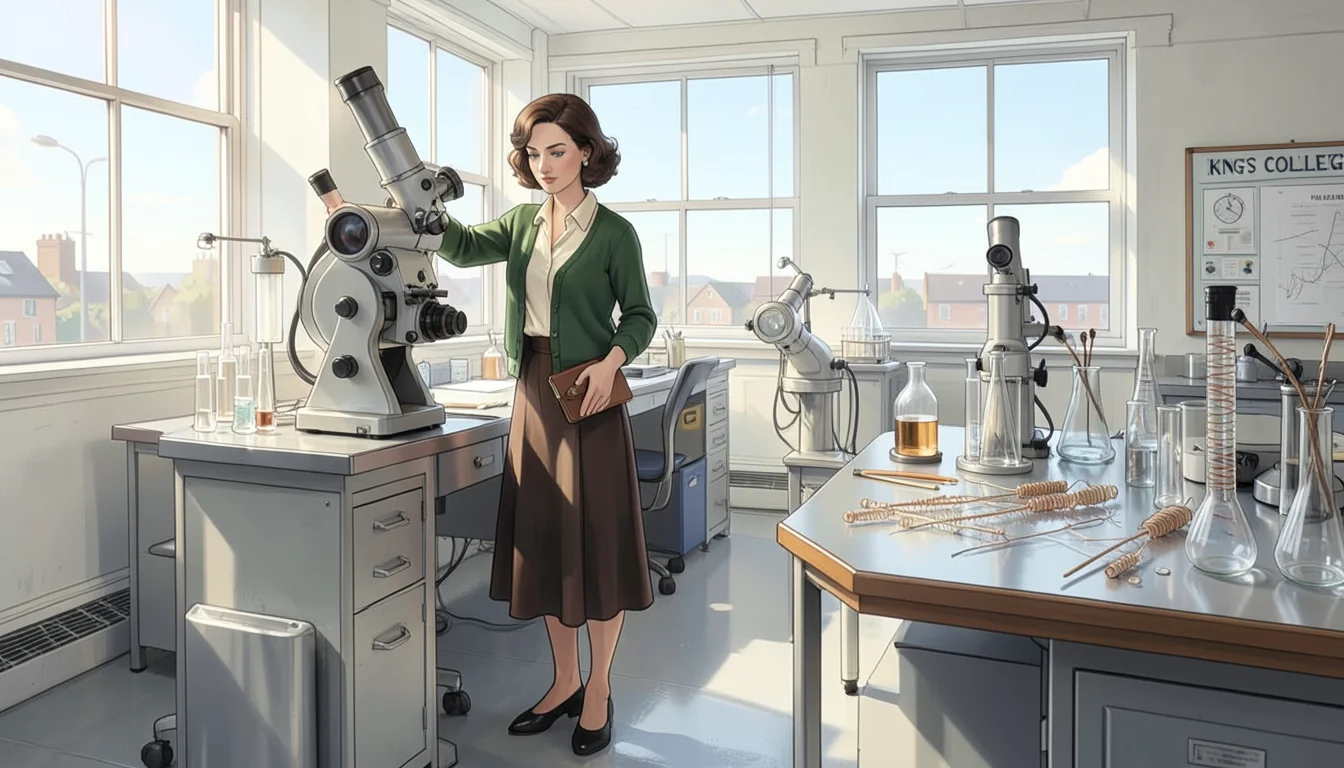
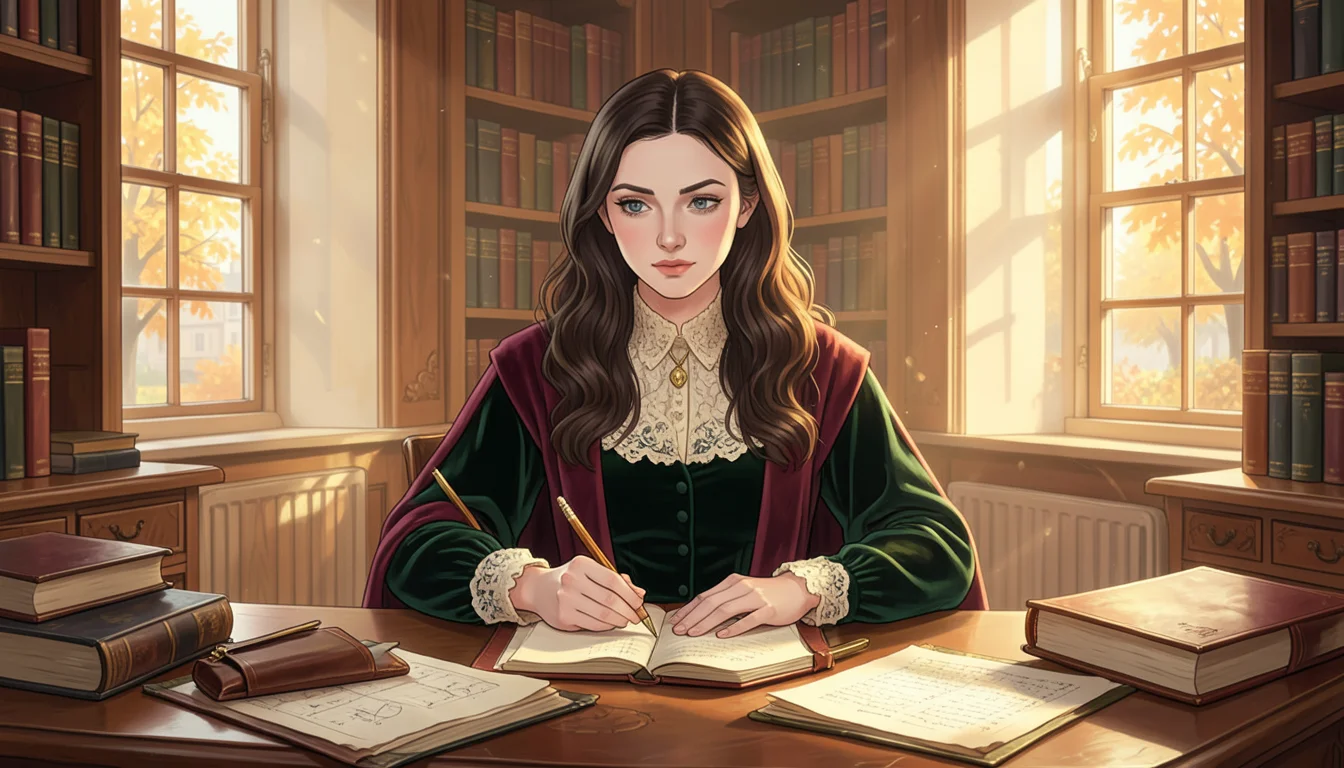
On a clear London morning in 1951, Rosalind Franklin adjusted an X-ray camera in her laboratory at King's College. She wanted to discover how DNA, the threadlike material in living cells, was built. The answer would not sit still and wait to be found.
Rosalind Franklin's Photograph Revealed a Hidden SpiralRosalind Franklin's exacting X-ray images gave crucial evidence about DNA's structure, raising hard questions about credit, teamwork, and fairness in science.
1. On a clear London morning in 1951, Rosalind Franklin adjusted an X-ray camera in her laboratory at King's College. She wanted to discover how DNA, the threadlike material in living cells, was built. The answer would not sit still and wait to be found.
2. To study something too small to see, she sent X-rays through carefully prepared fibers of DNA. The rays scattered into a pattern on film, rather like a constellation made by matter instead of stars. Raymond Gosling helped prepare the samples and develop the plates, while Rosalind measured every detail.
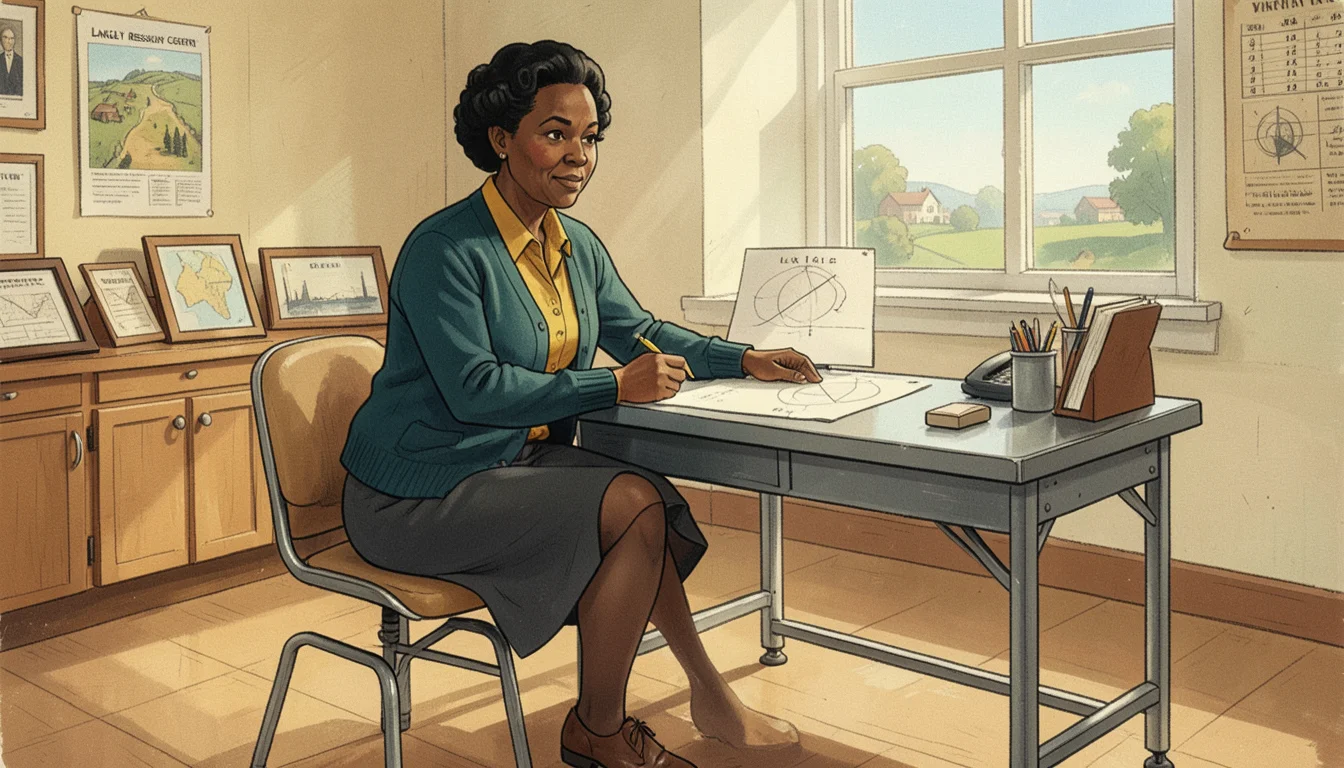
3. DNA did not offer one neat answer. Changes in moisture made the molecule twist into different arrangements, so Rosalind tested the fibers again and again, recording distances and angles in her notebook. A tiny mistake could lead a whole explanation astray.
4. Then one pattern began to speak more clearly. A dark X appeared at the center of the diffraction marks, and Rosalind recognized the kind of symmetry a spiral can leave behind. She did not announce a conclusion yet; she checked the evidence.
5. On May 6, 1952, Raymond Gosling captured an exceptionally clear plate under Rosalind's direction. It showed the X-shaped pattern more sharply than any plate before it. They stored it carefully, knowing that a photograph could be powerful evidence without being the whole explanation.
6. Rosalind calculated what the pattern could mean: DNA had a helical structure, with its parts arranged at regular distances. She also found that DNA's two strands had to fit together in a particular way. Her notebooks held careful measurements, cautions, and questions—not just a single dazzling image.
7. Elsewhere, Maurice Wilkins showed the clear plate to James Watson, and its importance soon reached Francis Crick. Rosalind had not been asked before her photograph and measurements were shared. Watson and Crick understood that the pattern could help test the model they were building.
8. Using the plate alongside Rosalind's measurements, Watson and Crick built a model with two strands winding around one another. Some pieces fit; others did not. The evidence forced them to revise their guesses until the shape made chemical sense.
9. By 1953, the double-helix model was published beside papers from Rosalind Franklin and Raymond Gosling. The papers did not tell the same story about who had supplied which crucial evidence. Rosalind kept working, even as other scientists' names became more familiar to the public.
10. A discovery can be made from many hands, yet the record should make room for each one. Rosalind Franklin's exacting X-ray images gave crucial evidence about DNA's structure, raising hard questions about credit, teamwork, and fairness in science.
Make a story like this →