 Storyclover
Storyclover
Storyclover
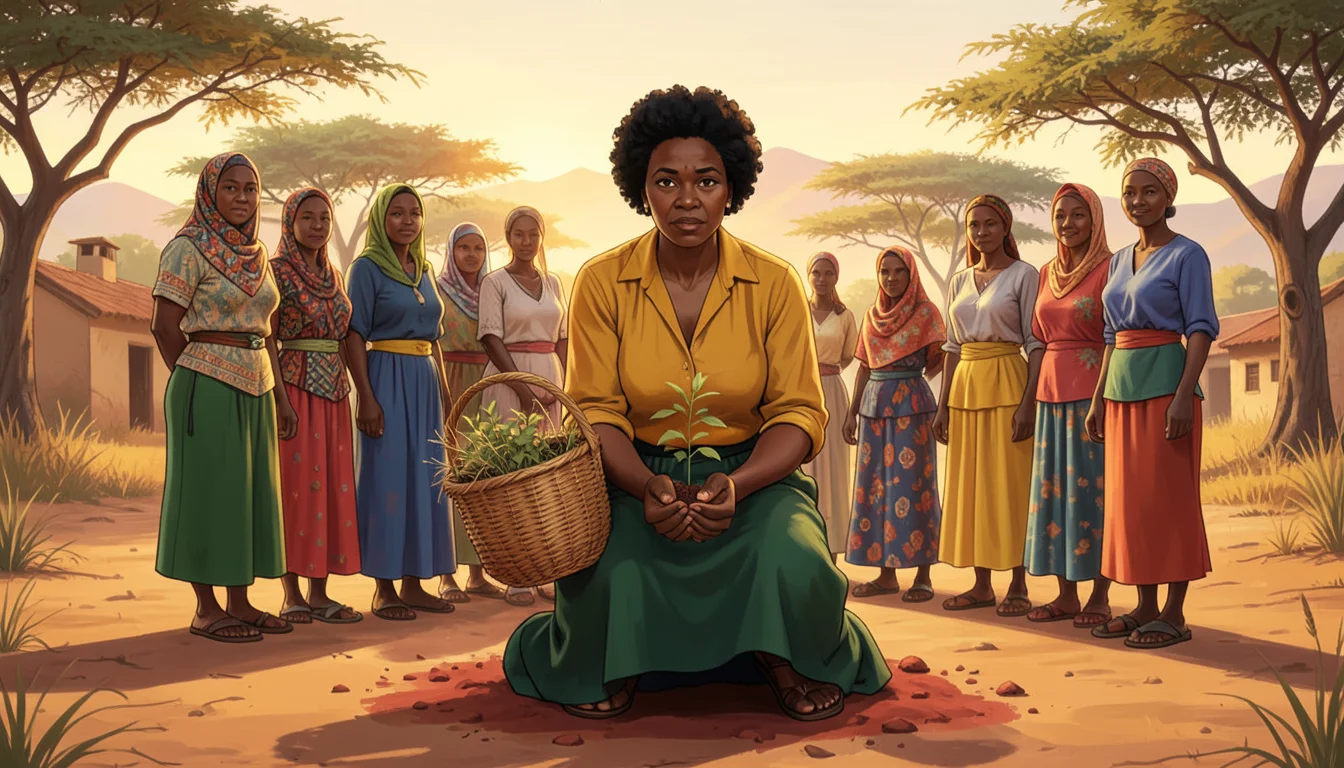
At sunrise in a village outside Nairobi, Wangari Maathai knelt in the red soil and pressed a tiny tree seedling into a new hole. Around her, women watched the roots disappear beneath their hands.
Wangari Maathai Planted Trees Where Power Expected SilenceWangari Maathai linked tree planting with women's work, land protection, and civic courage, showing that environmental repair can also be social change.
1. At sunrise in a village outside Nairobi, Wangari Maathai knelt in the red soil and pressed a tiny tree seedling into a new hole. Around her, women watched the roots disappear beneath their hands.
2. The women had been walking farther for firewood, and the streams near their homes were growing thin. They asked Wangari what could be done. She listened before she answered: “Plant what you need to keep.”
3. She explained that trees could hold the soil when rain came, shade crops from the sun, shelter birds, and give families firewood without sending them so far from home. The women gathered seeds, but they needed more than advice; they needed a way to begin.
4. In 1977, Wangari helped the women organize the Green Belt Movement. Women raised seedlings in small nurseries, planted them in worn-out ground, and earned a little money for caring for each living tree.
5. The roots reached into more than soil. As women worked, they talked about clean water, food, land, and the right to make decisions about their own communities.
6. In Nairobi, powerful people planned a huge building for Uhuru Park, one of the city’s few open green places. They expected the park to be surrendered quietly, but Wangari wrote, spoke, and stood beside citizens who refused to disappear.
7. The plan was abandoned. Later, when developers threatened Karura Forest, Wangari returned with other citizens and planted trees where clearing had been planned. The forest became a place where courage had roots.
8. Her movement grew from nursery to nursery. Women carried seedlings, kept records, taught children, and met to discuss the choices shaping their land. A small green act had become a way to use their voices.
9. In 2004, Wangari received the Nobel Peace Prize for work that joined peace, democracy, and the living world. She had not planted alone: thousands of women had made the movement sturdy.
10. The trees were taller now, but the question beneath them remained alive: who gets to care for land, and who gets to speak about it? Wangari Maathai linked tree planting with women’s work, land protection, and civic courage, showing that environmental repair can also be social change.
Make a story like this →