 Storyclover
Storyclover
Storyclover
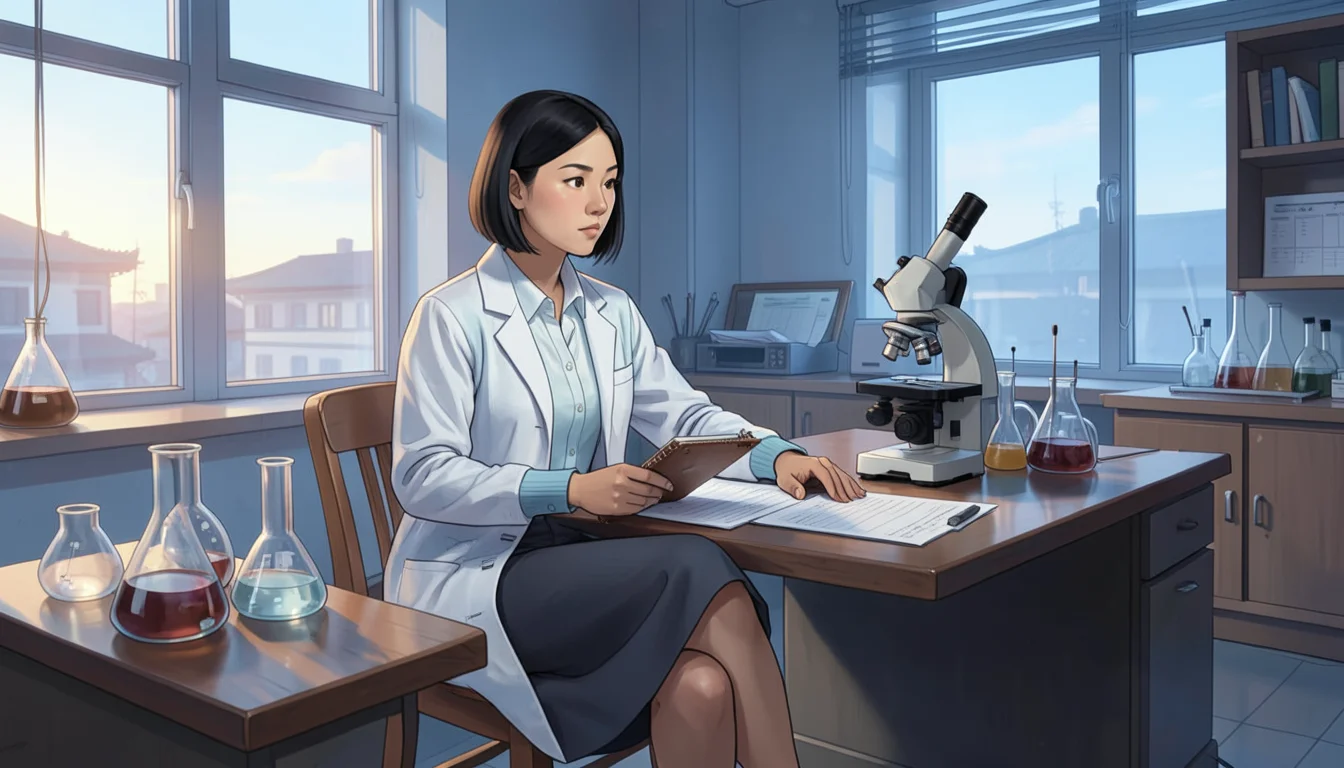
In 1967, before sunrise, Tu Youyou sorted through malaria reports in a quiet laboratory in Beijing. Beyond the windows, the city was waking, but her desk held one urgent question: how could people be protected from the disease?
Tu Youyou Followed Ancient Clues Through Modern DoubtTu Youyou combined old medical texts with rigorous laboratory testing to help discover a malaria treatment that saved millions of lives.
1. In 1967, before sunrise, Tu Youyou sorted through malaria reports in a quiet laboratory in Beijing. Beyond the windows, the city was waking, but her desk held one urgent question: how could people be protected from the disease?
2. China had begun a nationwide search for a medicine against malaria, a disease spread by mosquitoes and marked by dangerous fevers. Tu was asked to lead a research group, even though many promising experiments had already failed.
3. She searched through old Chinese medical books, recipe after recipe, while dust gathered on the shelves around her. At last, she found repeated descriptions of qinghao, a bitter-smelling plant used in remedies for fevers.
4. One old instruction caught her attention: soak qinghao in water and wring out the juice. The sentence was easy to overlook, but it did not say to boil the plant, as many other recipes did.
5. Tu’s first extracts were made with heat, and they showed little effect in tests. She sat beside a tray of cloudy flasks, then crossed out the method in her notebook.
6. She returned to the ancient clue and changed the experiment. Instead of boiling qinghao, she used a cool solvent to draw out its delicate ingredients. This time, the clear green extract stopped malaria parasites from multiplying.
7. One promising result was not enough. Tu repeated the tests, compared different samples, checked the measurements, and recorded what changed each time. The green extract kept working.
8. Before the extract could be tested widely in people, Tu and several teammates took the first carefully measured doses themselves. They waited, checked their health, and recorded every detail, so doctors could begin formal patient trials.
9. The treatment helped patients, but the work was not finished. Tu’s team purified the active substance, studied it carefully, and named it artemisinin.
10. Artemisinin-based treatments traveled from research laboratories to clinics in places where malaria had taken countless lives. Patients who had once faced dangerous fevers could now receive medicine that helped them recover.
11. The answer had not come from one direction alone. Tu Youyou combined old medical texts with rigorous laboratory testing to help discover a malaria treatment that saved millions of lives.
Make a story like this →