 Storyclover
Storyclover
Storyclover
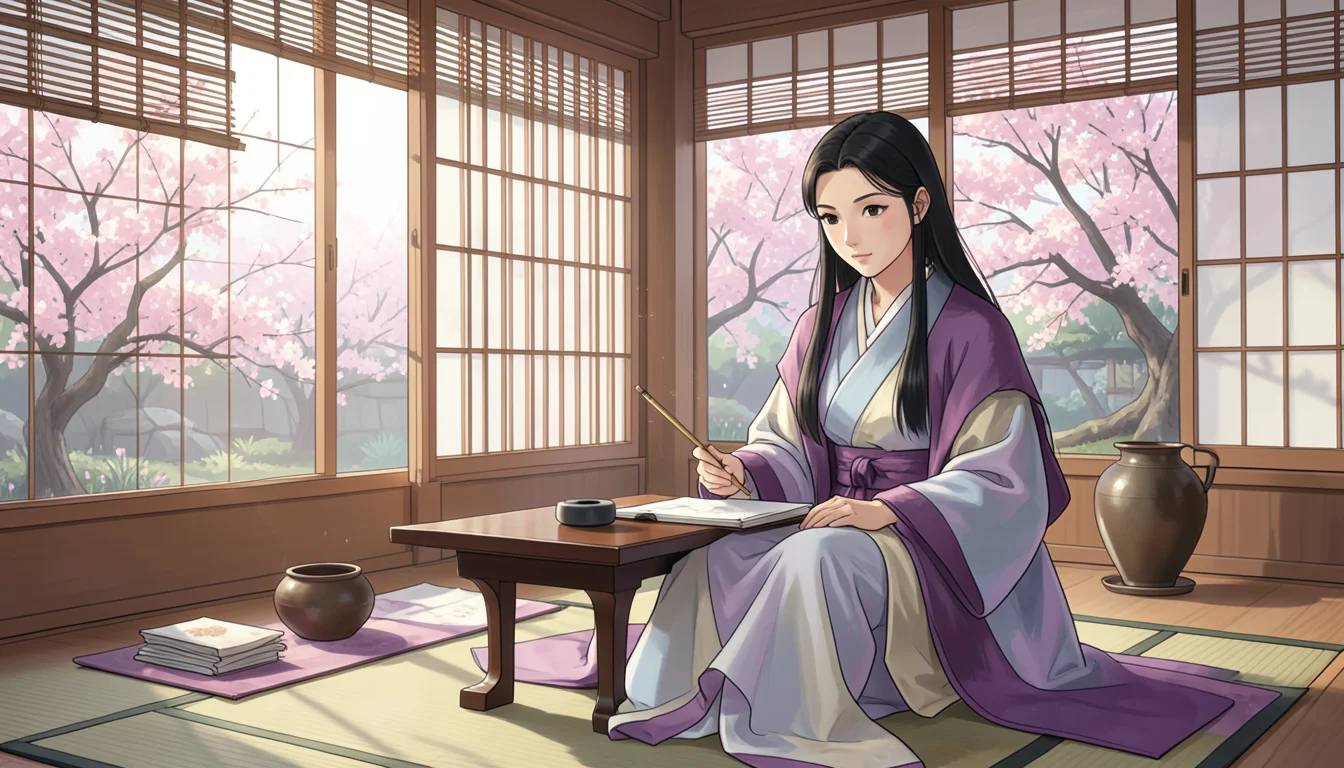
Before sunrise, Murasaki Shikibu sat beside the palace garden with a brush in her hand. She watched the first light touch the plum blossoms and listened to the hush behind the screens.
Murasaki Shikibu Wrote a Court World That Still Feels AliveMurasaki Shikibu used observation, wit, and emotional detail to create a long tale of human choices that readers still study centuries later.
1. Before sunrise, Murasaki Shikibu sat beside the palace garden with a brush in her hand. She watched the first light touch the plum blossoms and listened to the hush behind the screens.
2. At court, a glance could carry a whole message. A fan might open at just the right moment, and a poem could turn a stranger into a friend—or leave someone waiting.
3. Murasaki noticed what other people hurried past: a sleeve left behind a curtain, a pause before an answer, and the way a proud person looked away when kindness was offered.
4. She saw that beautiful rooms did not make people simple. They wanted love, freedom, praise, safety, and sometimes two opposite things at once.
5. She began to imagine a young prince who could charm almost anyone. He would make brave choices, foolish choices, tender choices, and choices that caused pain.
6. His world grew around her. Each new chapter brought another meeting, another secret, and another choice that could not be neatly undone.
7. Sometimes Murasaki stopped writing and listened to the rain. She wondered whether a story should forgive its people, or simply show what they had done.
8. When someone read the pages, Murasaki watched the listener more closely than the paper. A smile, a frown, or a sudden silence told her where the world felt true.
9. The tale became long enough to hold whole seasons. Spring brought promises, summer brought longing, autumn brought regret, and winter left questions under the snow.
10. People called the work The Tale of Genji. It traveled from hand to hand, carrying palace whispers and difficult hearts far beyond the rooms where Murasaki had written.
11. Centuries later, readers still ask why these people acted as they did. They study the tale because its choices remain complicated, recognizable, and alive.
12. Murasaki Shikibu used observation, wit, and emotional detail to create a long tale of human choices that readers still study centuries later.
Make a story like this →