 Storyclover
Storyclover
Storyclover
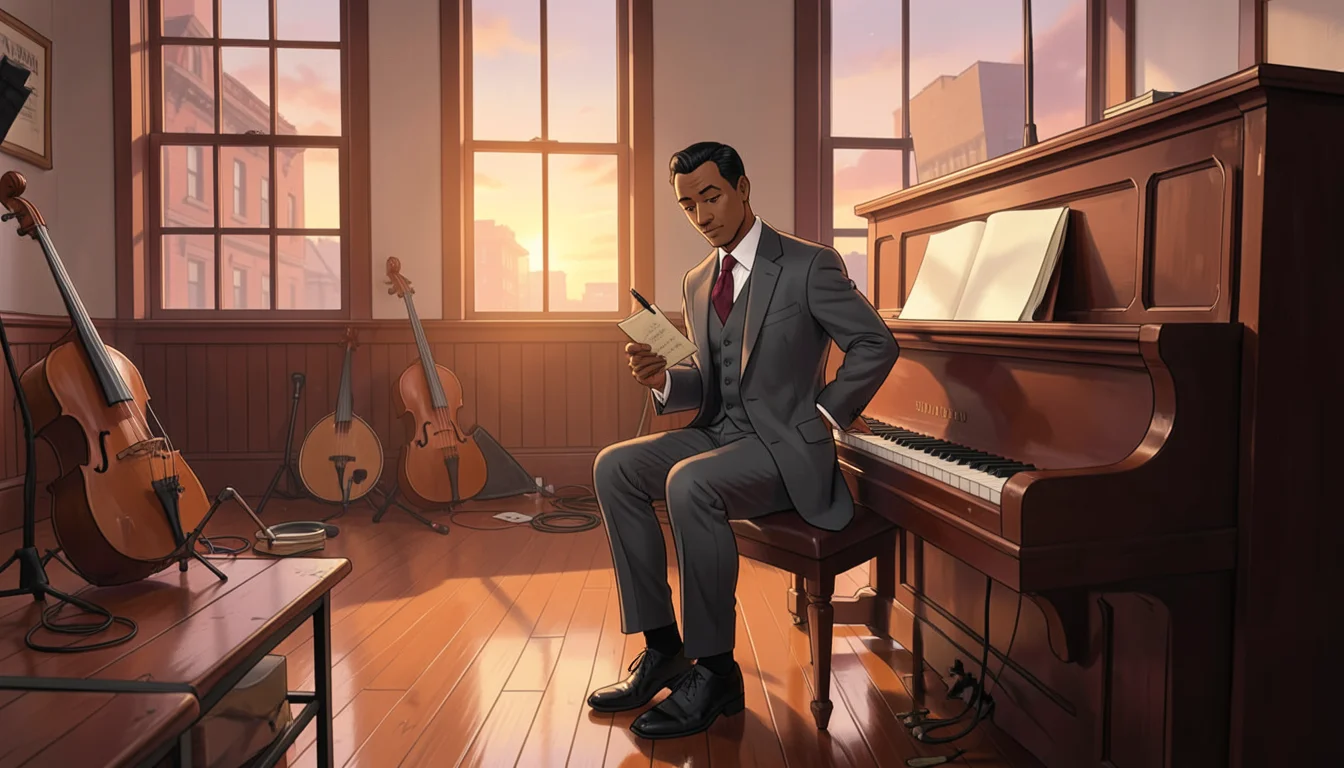
On a warm evening in 1930s New York, Duke Ellington sat at a piano in a rehearsal room and tried to shape a new piece. He had a melody and a rhythm, but the sound in his head still felt unfinished.
Duke Ellington Composed for the Sound of Each PlayerDuke Ellington built music around individual musicians' voices, proving that leadership in art can mean making other people's strengths audible.
1. On a warm evening in 1930s New York, Duke Ellington sat at a piano in a rehearsal room and tried to shape a new piece. He had a melody and a rhythm, but the sound in his head still felt unfinished.
2. When the musicians gathered, Duke handed a passage to Johnny Hodges. Johnny played it accurately, yet the notes sounded too smooth and ordinary; they did not sound like Johnny.
3. Duke listened again. Johnny’s alto saxophone had a dry, floating voice, so Duke crossed out the passage and wrote one that rose, curved, and rested in the spaces between the other instruments.
4. Then Duke listened to Harry Carney’s baritone saxophone. Its deep, steady voice could make the floor seem to hum, and Duke built a low part that gave Harry room to let that sound speak.
5. Cootie Williams brought another kind of sound. His trumpet could shine brightly or growl at the edges, and Duke shaped a phrase that left space for both sides of Cootie’s voice.
6. At the next rehearsal, Duke did not force every player into the same shape. He made room for Johnny’s lift, Harry’s depth, and Cootie’s bright growl, then joined those differences with the pulse of the piano.
7. When they played the piece together, every voice remained unmistakable. Johnny’s line floated, Harry’s settled below it, Cootie’s trumpet flashed, and Duke’s piano held them in one changing conversation.
8. Duke kept listening, even after a passage seemed finished. He noticed the colors each musician brought and changed the music when a player revealed a stronger possibility.
9. Duke Ellington became famous, but he continued to write with particular musicians in mind. He built music around individual musicians’ voices, proving that leadership in art can mean making other people’s strengths audible.
Make a story like this →