 Storyclover
Storyclover
Storyclover
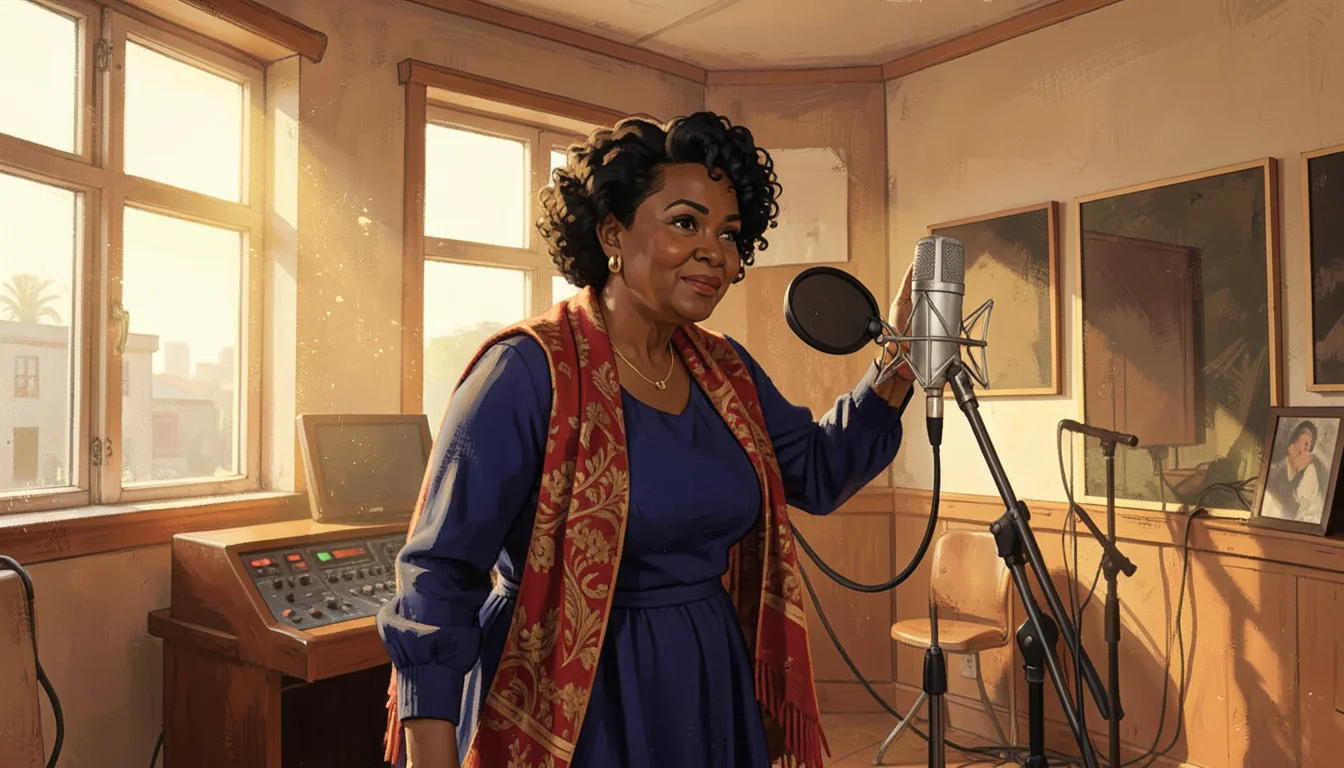
In a small Johannesburg studio one warm morning in 1954, Miriam Makeba leaned toward a microphone and sang until the room seemed to listen with its whole body. The sound was South African, shaped by voices and rhythms she had carried since childhood.
Miriam Makeba Sang Home to People Who Could Not Go BackMiriam Makeba used her voice to carry South African music and anti-apartheid witness across the world while living far from home.
1. In a small Johannesburg studio one warm morning in 1954, Miriam Makeba leaned toward a microphone and sang until the room seemed to listen with its whole body. The sound was South African, shaped by voices and rhythms she had carried since childhood.
2. She wanted more than applause. She wanted people far beyond her neighborhood to hear the languages, rhythms, and stories that lived in South African music.
3. By the middle of the 1950s, she was singing with the Manhattan Brothers, and her voice reached larger halls. Yet the country around those halls was divided by apartheid, a system of laws that separated people and denied Black South Africans equal rights.
4. In 1959, she appeared in the film Come Back, Africa. The film carried a South African story to the Venice Film Festival, and soon Miriam was invited to sing in the United States.
5. Across the ocean, she sang The Click Song and Pata Pata. The clicks made listeners lean closer; the bright beat made their hands find the rhythm. Her voice gave faraway rooms a sound that belonged to South Africa.
6. But Miriam did not use music to hide what was happening at home. In 1963, at the United Nations, she spoke about apartheid and the lives it narrowed, asking the world to listen to South Africans who were being denied justice.
7. After that, South African authorities canceled her passport and barred her return. Miriam could sing in many countries, but she could not cross the border into her own.
8. She lived far from home for more than thirty years, in the United States, Guinea, and other places. She carried her songs from stage to stage, letting each new audience hear the country that apartheid tried to keep apart.
9. Some nights, the applause ended quickly, but the witness remained. Her records and concerts carried Xhosa sounds, South African stories, and her plain words about injustice to listeners who had never seen her country—and to South Africans who could not go back.
10. In 1990, after Nelson Mandela was released and apartheid began to fall, Miriam returned to South Africa. The road home was open again, but the years away had made her voice larger than any single place.
11. She had come home, but her songs had never stopped traveling. Miriam Makeba used her voice to carry South African music and anti-apartheid witness across the world while living far from home.
Make a story like this →