 Storyclover
Storyclover
Storyclover
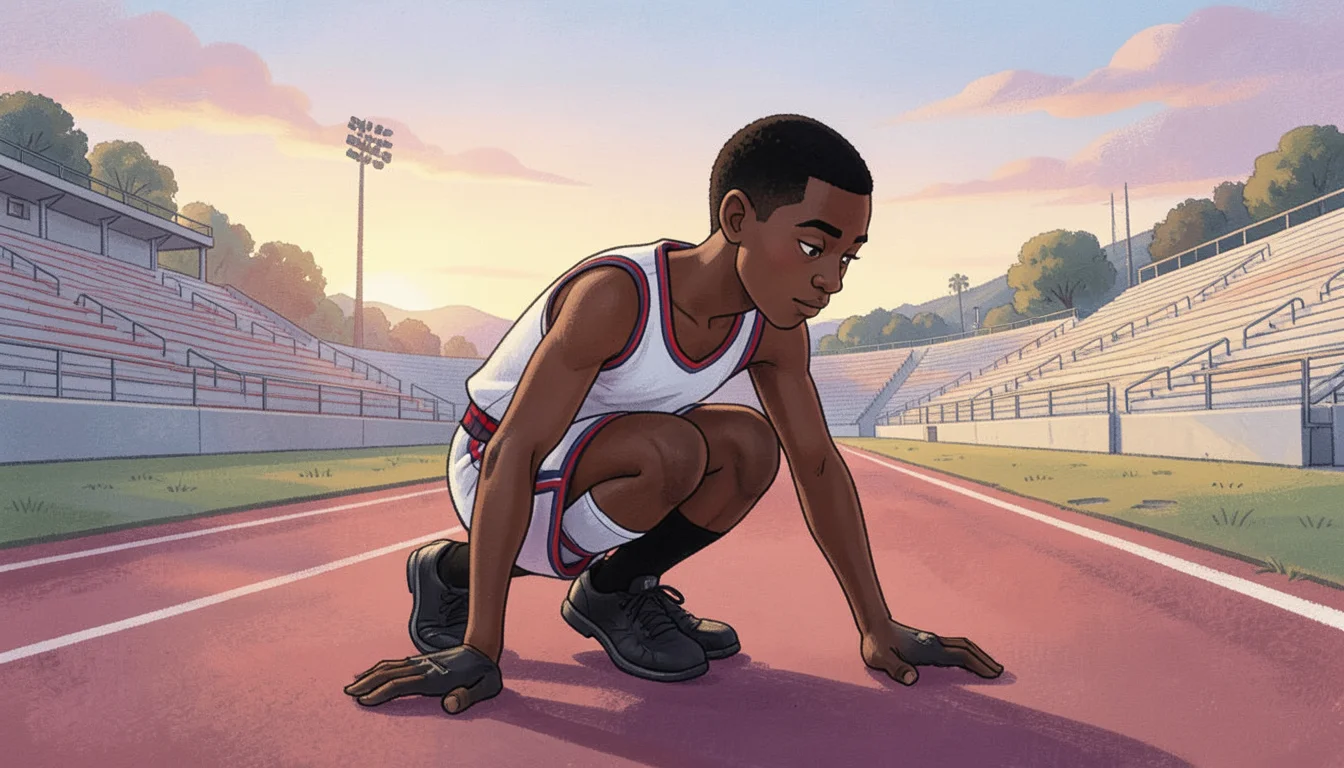
Before sunrise in California, Tommie Smith crouched at the starting line and pressed his fingertips to the track. He wanted to run fast enough to win Olympic gold.
Tommie Smith Raised a Fist and Accepted the CostTommie Smith's Olympic protest showed how athletes can use a public stage to speak about injustice, even when the backlash is immediate.
1. Before sunrise in California, Tommie Smith crouched at the starting line and pressed his fingertips to the track. He wanted to run fast enough to win Olympic gold.
2. Outside the track, Black Americans were still fighting for the dignity and equal chances that others took for granted. Tommie heard the voices of people demanding justice, and he knew that winning a race would not answer them.
3. On October 16, 1968, Tommie lined up for the Olympic 200-meter final. He ran through the pain in his legs, crossed first, and set a world record.
4. Tommie won gold, Peter Norman won silver, and John Carlos won bronze. Before the ceremony, Tommie and John told Peter they planned to raise a quiet protest for human rights, and Peter chose to stand with them.
5. When the anthem began, Tommie and John bowed their heads and raised one black-gloved fist each. Peter stood beside them with the human-rights badge on his chest. They did not shout, but their stillness filled the stadium.
6. The protest was over quickly, but the backlash arrived before the applause had faded. Olympic officials ordered Tommie and John to leave the Games, cruel threats reached their families, and Peter was criticized at home for standing with them.
7. The race had lasted seconds, but the question it raised lasted much longer. Tommie Smith's Olympic protest showed how athletes can use a public stage to speak about injustice, even when the backlash is immediate.
Make a story like this →