 Storyclover
Storyclover
Storyclover
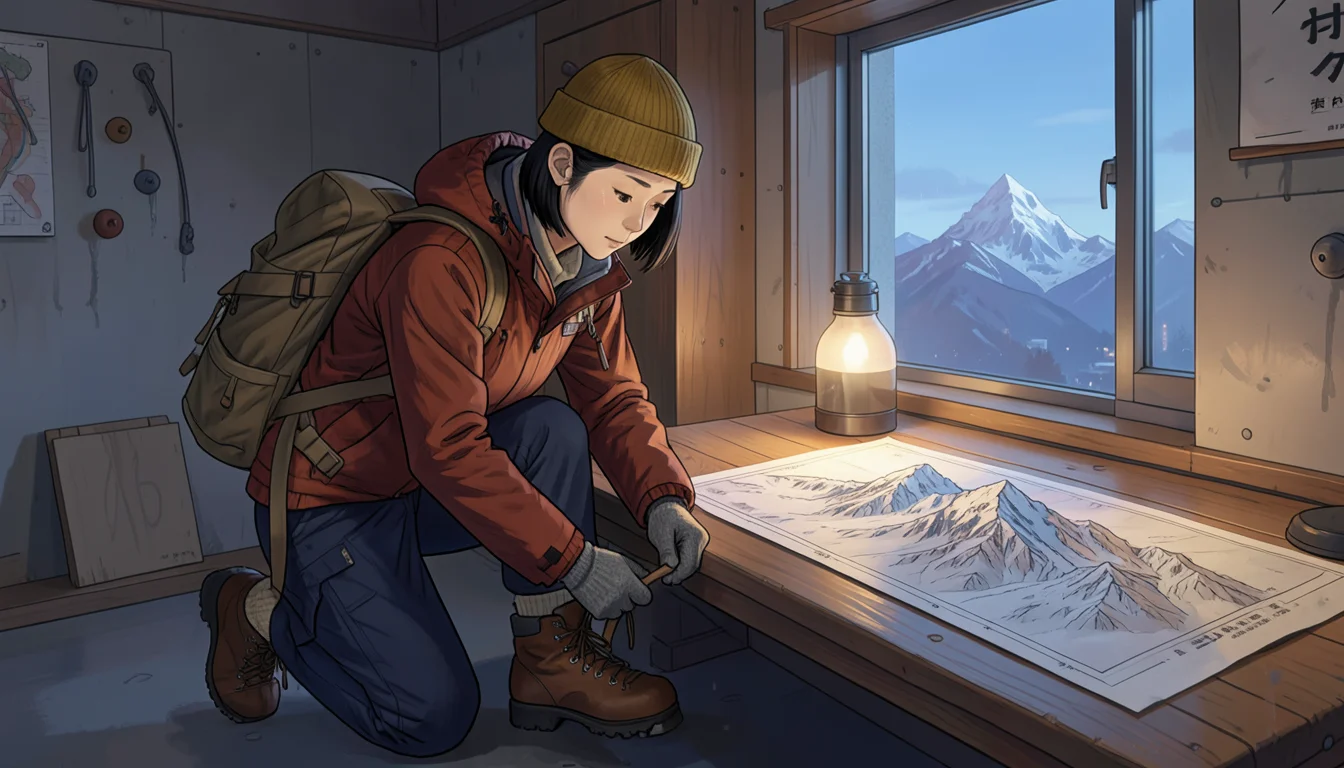
Before dawn in Tokyo, Junko Tabei tightened the laces of her climbing boots and spread a map of Mount Everest across a wooden table. She placed one mitten on the highest point, then tucked the map beneath her rucksack.
Junko Tabei Climbed After Everyone Said the Mountain Was Not for HerJunko Tabei became the first woman to summit Everest, balancing teamwork, danger, and a refusal to accept narrow ideas about who belongs outdoors.
1. Before dawn in Tokyo, Junko Tabei tightened the laces of her climbing boots and spread a map of Mount Everest across a wooden table. She placed one mitten on the highest point, then tucked the map beneath her rucksack.
2. Her plan had roots in a much smaller climb. At ten, she had walked up Mount Fuji with her school group, and somewhere among the stones and clouds she discovered that a mountain cared more about patient feet than about whether a climber was a boy or a girl.
3. Still, people around her kept drawing a line around the mountains. Some men in climbing clubs assumed she was there to find a husband, not a summit. Junko listened, tied her rope, and kept choosing the harder routes.
4. She did not wait for permission. In 1969, Junko founded the Ladies Climbing Club: Japan with other women who wanted to climb on their own terms. Together, they planned an all-women's expedition to Everest, where every pack, rope, and decision would have to be shared.
5. Training took years. The women practiced on rock and snow, learned to read weather, and carried one another's loads when a pack grew too heavy. Each careful day turned a distant idea into a shared plan.
6. At last, in 1975, the expedition moved up Everest's southern side. Then an avalanche swept across a high camp and covered the tents. When the snow stopped, Junko's teammates and Sherpa guides dug until they found her alive beneath it.
7. Junko rested for three days, sore but able to stand. The expedition did not pretend that danger had vanished; instead, the climbers checked every knot, shared every task, and made room for one another to continue.
8. At the South Col, the air grew thin and every bundle mattered. Junko and her teammates divided the supplies, checked the weather, and listened to the mountain's silence before choosing the hour to go higher.
9. Near the summit, only Junko and Ang Tsering continued together. The ridge was narrow, the air was sharp, and each step demanded care, so Junko paused while Ang checked the rope between them.
10. On May 16, 1975, Junko Tabei became the first woman to summit Everest. She had balanced danger with teamwork and refused to accept the narrow idea that the outdoors—and the highest mountain—belonged only to certain people.
Make a story like this →