 Storyclover
Storyclover
Storyclover
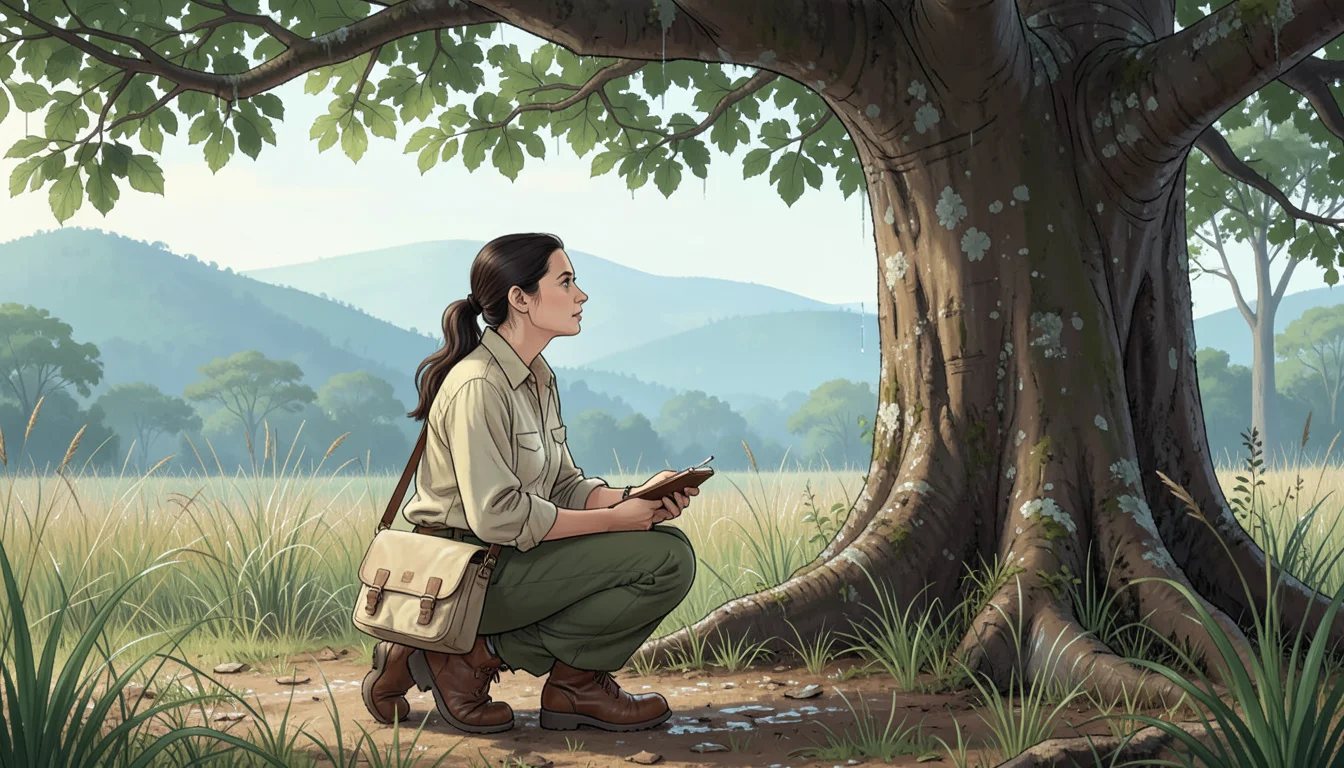
In the pale morning at Gombe Stream in Tanganyika, 26-year-old Jane Goodall knelt beside her notebook and listened. Louis Leakey had sent her to observe wild chimpanzees, yet the forest offered only wet leaves, bird calls, and a trail of footprints.
Jane Goodall Waited Long Enough for Trust to BeginJane Goodall's patient fieldwork with chimpanzees changed how scientists understood animal minds and the relationship between observer and subject.
1. In the pale morning at Gombe Stream in Tanganyika, 26-year-old Jane Goodall knelt beside her notebook and listened. Louis Leakey had sent her to observe wild chimpanzees, yet the forest offered only wet leaves, bird calls, and a trail of footprints.
2. The chimpanzees had noticed her before she could study them. Whenever Jane appeared, branches trembled and dark shapes vanished into the trees. She wrote down what little she saw, then returned the next morning.
3. After weeks of arriving early and sitting still, Jane saw one adult male remain near a fig tree. He watched her from behind a curtain of leaves while she kept her hands folded and her notebook closed. She called him David Greybeard.
4. One morning, David Greybeard picked a thin stem, stripped its leaves, and pushed it into a termite mound. When he lifted it, termites clung to the stem. Jane's pencil stopped above the page.
5. Jane did not step closer or leave food beside him. She returned to the same ridge, at the same quiet pace, until David Greybeard began feeding within sight of her. Between them, the distance narrowed without either of them crossing it.
6. As the months passed, Jane learned that a troop was not a blur of fur and noise. David Greybeard had his own habits and temper; other chimpanzees comforted one another, quarreled, played, and made choices. Jane filled page after page, leaving each animal room to be itself.
7. Her notes also held a surprise that reached far beyond one termite mound. Chimpanzees used leaves as sponges, shared affection, and sometimes made tools for a purpose. The old line between human cleverness and animal instinct no longer looked straight.
8. Some scientists had expected an observer to remain distant and an animal to remain an object of study. Jane's patient presence made that arrangement feel incomplete: she knew the chimpanzees by name, watched their relationships, and allowed trust to shape what she could learn.
9. She kept returning through rain, heat, and long quiet hours. The forest did not give up its answers all at once; it offered them in small gestures—a hand extended, a glance held, a tool shaped for a task.
10. By waiting long enough, Jane had not simply gathered facts about chimpanzees. She had helped science see them as thinking, feeling individuals with lives worth understanding. Jane Goodall's patient fieldwork with chimpanzees changed how scientists understood animal minds and the relationship between observer and subject.
Make a story like this →