 Storyclover
Storyclover
Storyclover
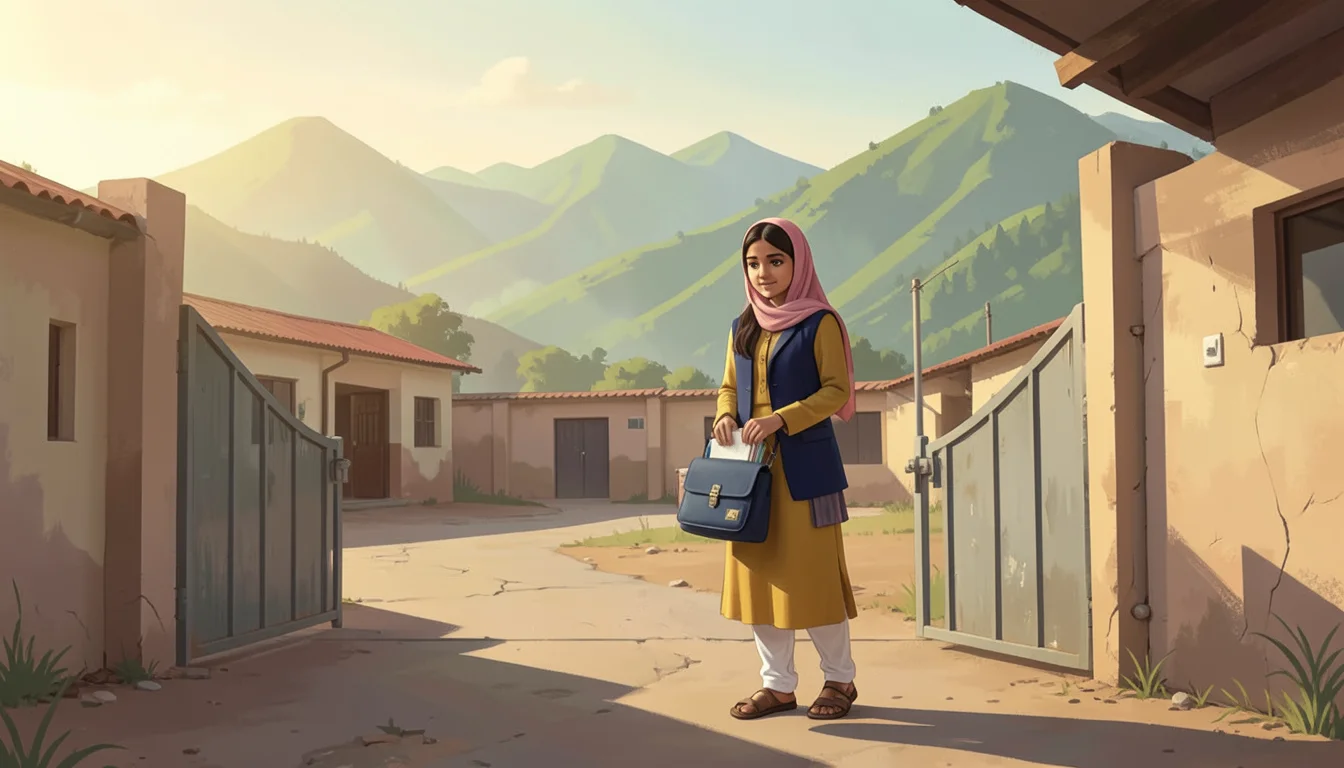
At dawn in Mingora, Pakistan, Malala tucked a notebook into her school satchel and stood at the gate of the school her father had helped build. She wanted the day to begin before anyone could tell her it must not.
Malala Yousafzai Kept Asking for School After Fear Tried to Stop HerMalala Yousafzai became a global voice for girls' education by insisting that learning is a right, not a privilege granted by power.
1. At dawn in Mingora, Pakistan, Malala tucked a notebook into her school satchel and stood at the gate of the school her father had helped build. She wanted the day to begin before anyone could tell her it must not.
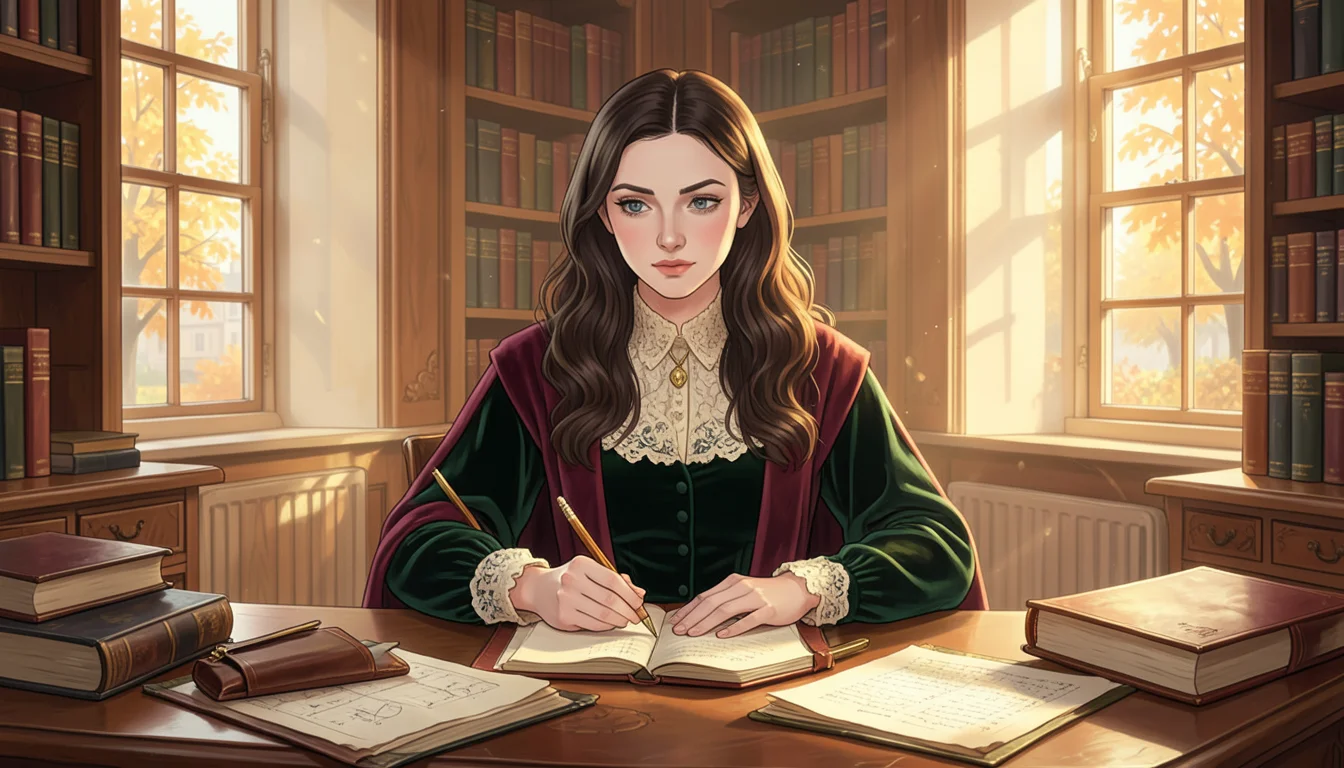
2. Inside the classroom, she filled a page with careful answers while sunlight warmed the desks. Books were not decorations to her; they were doors, and she intended to keep opening them.
3. Then the Taliban announced that girls should stay home. The streets grew watchful, and some school doors closed. Malala held her satchel against her chest and kept asking the same question: Why should a girl's mind be treated like a forbidden place?
4. At home, she wrote about school under a name that hid her identity. Her words were small on the page, but they crossed the valley, carrying a question that would not sit quietly: Who gets to decide whether a girl may learn?
5. When her school finally closed, Malala set her books in a neat row beside the window. She could not make the locked door open, so she opened her notebook instead and spoke about the classroom she had been denied.
6. She began saying it aloud in interviews and gatherings: girls belong in school. Each time a microphone appeared, she leaned toward it, even when her hands tightened around her satchel.
7. In October 2012, a gunman attacked Malala and other girls on their school bus. Malala was badly hurt, but doctors cared for her, and she survived. Fear had tried to silence her; it had not finished the story.
8. After months of treatment and recovery, she stood again in a new classroom in Birmingham. Her voice was still young, yet it carried the old question farther than before: Why should any child have to beg for a school?
9. At sixteen, she spoke at the United Nations, holding her notes and asking leaders to choose books, teachers, and schools instead of silence.
10. The question traveled far beyond the valley. In 2014, Malala received the Nobel Peace Prize, becoming its youngest recipient, and she used the honor to keep speaking for children whose schools were still out of reach.
11. She kept asking—not for a favor, but for a right. Malala Yousafzai became a global voice for girls' education by insisting that learning is a right, not a privilege granted by power.
Make a story like this →