 Storyclover
Storyclover
Storyclover

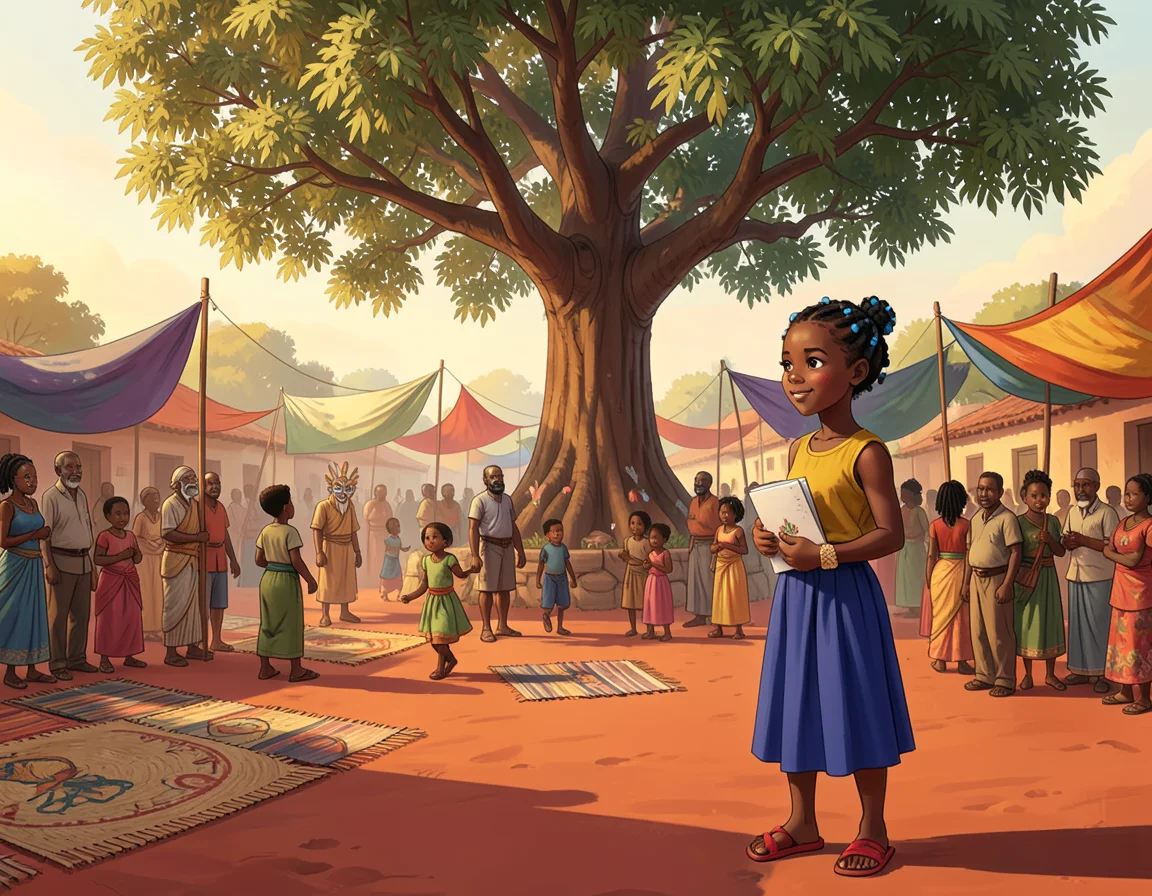
At sunrise in Lantern Square, Mina pinned a gold sun beside a silver moon on her school calendar. The city was preparing for New Year, but families had named two different days. Mina decided to find out which date was the real beginning.
The City Where Two Calendars Argued About New YearIn a multicultural city, a child compares solar and lunar calendars and sees why different communities can begin the year on different days without either being wrong.
1. At sunrise in Lantern Square, Mina pinned a gold sun beside a silver moon on her school calendar. The city was preparing for New Year, but families had named two different days. Mina decided to find out which date was the real beginning.
2. By late morning, Mina had heard two plans. Some neighbors were preparing for January 1, while others were saving red envelopes for a New Year set by the moon and the seasons. Her pencil paused over one question: If New Year means a beginning, how can there be two beginnings?
3. At the city observatory, Mina began with the calendar that followed the sun. A solar calendar measures a year by Earth’s journey around the sun. Because the seasons return with that journey, its New Year stays near the same season each year.
4. Then Mina studied a lunar calendar. It measures months by the moon’s cycle, and twelve moon months make about 354 days, roughly eleven days fewer than a solar year. That is why a lunar New Year can arrive earlier in the solar calendar each year. Some communities use a lunisolar calendar, adding a month now and then so moon months stay connected to the seasons.
5. Mina tried to make both calendars share one perfect row. The pieces lined up at first, then slipped apart as the lunar months moved through the solar seasons. No single pattern could tell both stories honestly, and Mina did not know what answer to bring to school.
6. On January 1, Mina joined the solar New Year gathering in the square. The low winter sun shone over warm food, music, and neighbors greeting one another. The solar calendar’s first day had arrived exactly where its yearly journey placed it.
7. Several weeks later, the moon-and-season calendar began its year beneath a new moon. Mina watched the lanterns glow and understood that this date had not wandered by mistake. It belonged to a different way of measuring time.
8. At her school exhibition, Mina set the two calendars side by side. She almost chose one and crossed out the other, but stopped. The question was not which calendar was right. The question was which sky each calendar was following.
9. By evening, Mina had placed both New Year dates on the city’s community calendar. They were different because the calendars measured different rhythms: Earth’s journey around the sun and the moon’s changing months. In a multicultural city, different communities can begin the year on different days without either being wrong.
Make a story like this →