 Storyclover
Storyclover
Storyclover
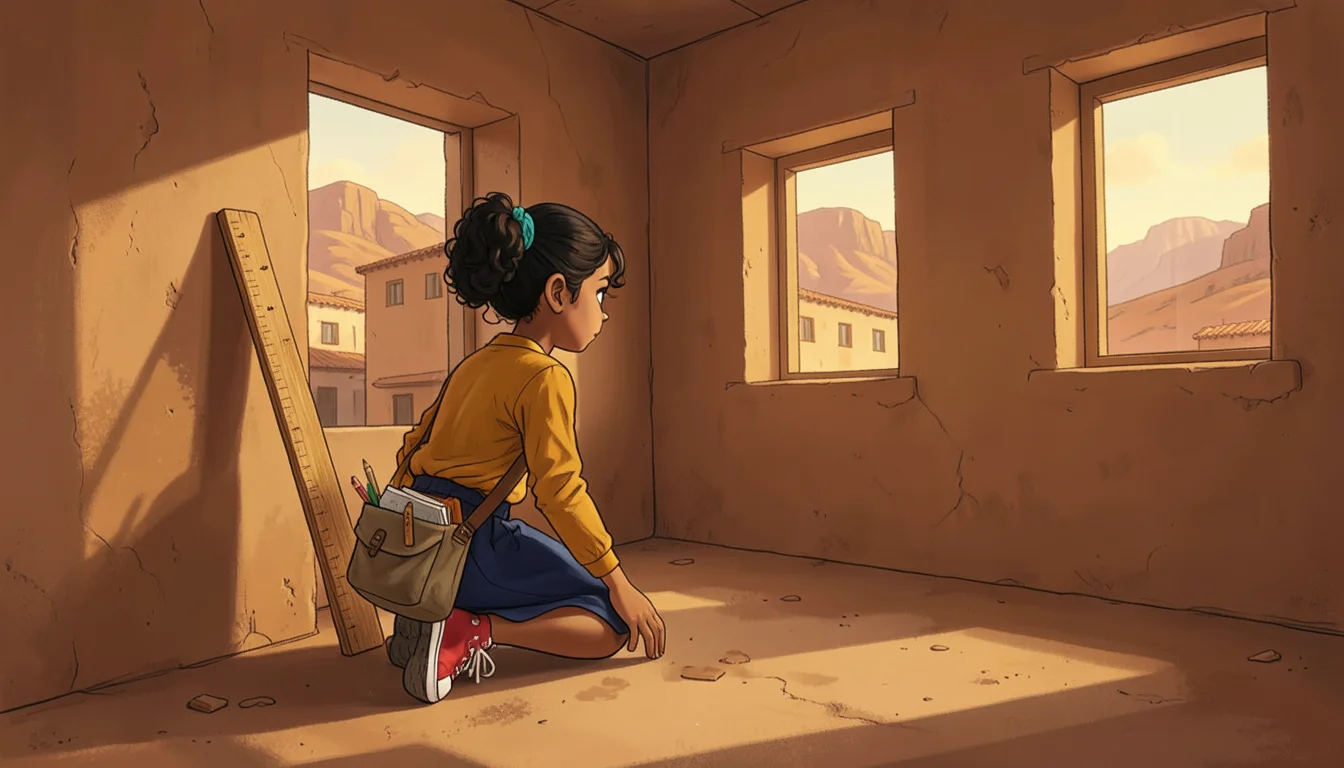
At late afternoon, Nura pressed a wooden ruler against the wall of an unused room beside the village library. The room had a tin roof, two bare windows, and a floor dusty enough to hold every footprint. Nura wanted to turn it into a reading room before the desert summer arrived.
The Walls Kept Cool by Refusing to Be ThinEarthen homes from desert regions reveal how thick walls, courtyards, shade, and airflow solved heat problems long before air conditioning.
1. At late afternoon, Nura pressed a wooden ruler against the wall of an unused room beside the village library. The room had a tin roof, two bare windows, and a floor dusty enough to hold every footprint. Nura wanted to turn it into a reading room before the desert summer arrived.
2. At noon the next day, Nura tested her first model. Its thin walls and wide windows were meant to welcome light, but sunlight poured through the real room and turned the cardboard walls limp. Even the pencil in Nura’s hand felt slippery.
3. Nura carried the ruined model to Hadi’s house, where the walls were made from packed earth. Hadi led her into the courtyard. Outside, the stones were hot enough to sting through her shoes; beneath the porch, the air rested cool against her face.
4. Hadi placed his palm on one side of a wall and asked Nura to place hers on the other. The earth felt warm in the sun and cool in the room. Heat had to travel a long way through that wall before it could reach them.
5. Nura made two more samples from clay. The thin one heated quickly; the thick one stayed cool beneath its warm crust. She tested them again and again, then noticed something else: Hadi’s courtyard kept half the house in shade while openings high above let the warmer air escape.
6. Nura changed her design. The reading room would have thick earthen walls, a small courtyard at its center, shade over the brightest side, and high openings for air to find its way out. It would take more earth and more work, leaving less room inside. Still, she carried the new idea back to the library.
7. The library keeper agreed to try. On the first morning, Nura held the wooden form steady while Hadi packed damp earth into it. Layer by layer, the walls grew broad enough to make a narrow room seem worth the space they took.
8. When the first fierce afternoon arrived, Nura sat inside the finished room. The sun blazed beyond the courtyard, but the thick walls held back its heat. A small breeze slipped through the shaded yard and climbed toward the high vents.
9. Nura and Hadi sat in the courtyard while the hottest hours passed. The room did not need a machine to roar or a window to stay shut. Its shade, thick walls, and patient exchange of air were doing their quiet work.
10. That evening, Nura measured the wall once more, not to make it thinner, but to understand what its thickness could do. Earthen homes from desert regions show how thick walls, courtyards, shade, and airflow solved heat problems long before air conditioning.
Make a story like this →