 Storyclover
Storyclover
Storyclover
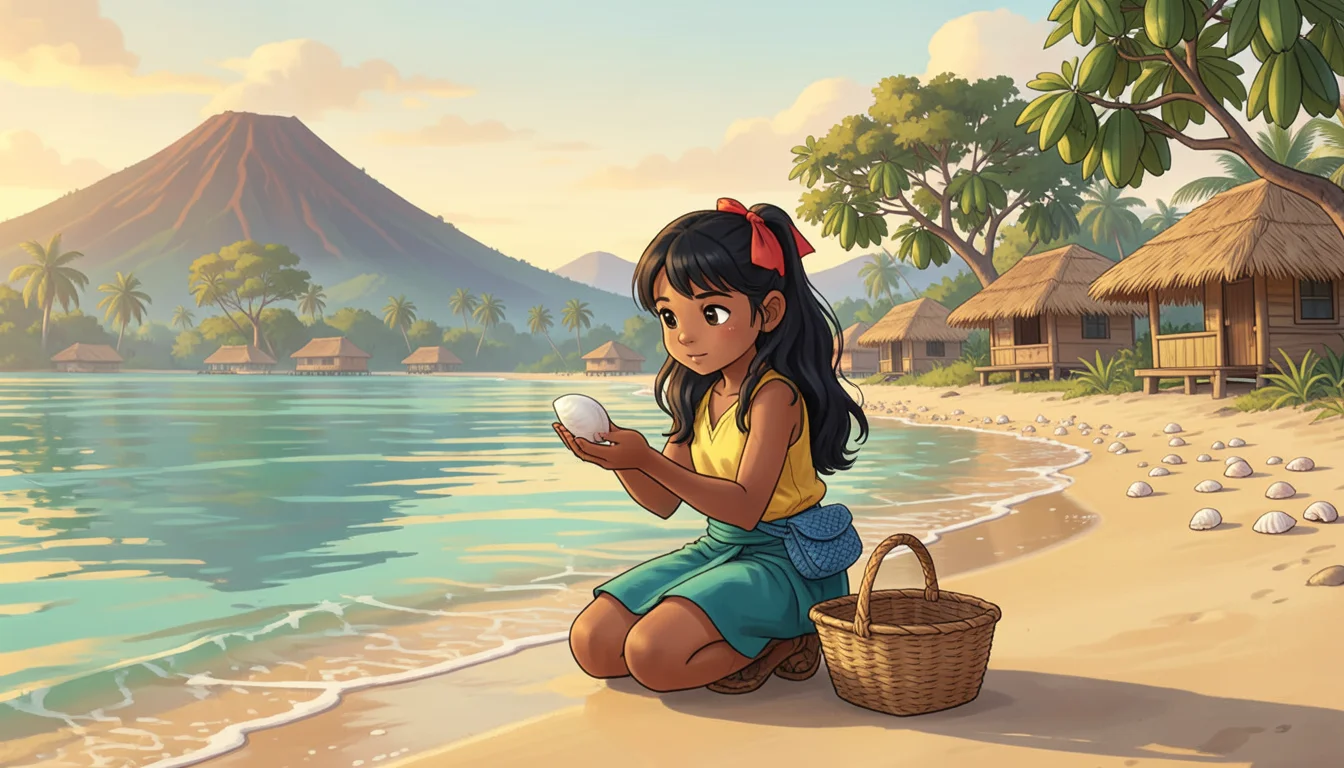
At sunrise, Lani knelt where the Pacific folded itself over the sand. She searched for a shell bright enough to help her family at the village exchange.
The Island That Measured Wealth in Shells, Not CoinsA Pacific island exchange tradition helps explain that money can be stone, shell, promise, or reputation when a community agrees it has value.
1. At sunrise, Lani knelt where the Pacific folded itself over the sand. She searched for a shell bright enough to help her family at the village exchange.
2. Grandmother Sela watched Lani sort the shells by size. “Why do these little things matter so much?” Lani asked. Grandmother tied a careful knot and smiled. “Because people have agreed to remember their value.”
3. By noon, people brought what they had grown, woven, carved, or gathered. Shell strings lay beside breadfruit and cloth. No one asked for coins. They asked what a thing was worth here, to these people, on this day.
4. Lani offered a shell string for a breadfruit and a bundle of pandanus leaves. The fisherman weighed the exchange in his hands, then nodded. Both people left with something they needed, and neither carried a coin.
5. Then Lani saw a stone disk too large to lift. “Has anyone traded that?” she asked. The elder tapped his walking stick on the ground. “Not by carrying it away. Everyone remembers who owns it, even while it stays here.”
6. The elder explained that value could live in a shell, a stone, or a promise remembered by the whole community. A canoe might begin with one family and belong to many hands before it touched the sea.
7. Lani closed her fingers around one shell. It was not valuable because it glittered. It was valuable because people trusted the story attached to it: who had given it, who had accepted it, and what would be remembered.
8. Before dinner, Lani traded her last shell string for a little woven canoe made by a younger child. The shell would join his family’s story, and his careful work would join hers.
9. That night, Lani asked whether shells were money. Grandmother Sela looked across the water. “Sometimes money is stone. Sometimes it is shell. Sometimes it is a promise, or a reputation. It becomes money when people agree it has value—and keep that agreement alive.”
Make a story like this →