 Storyclover
Storyclover
Storyclover

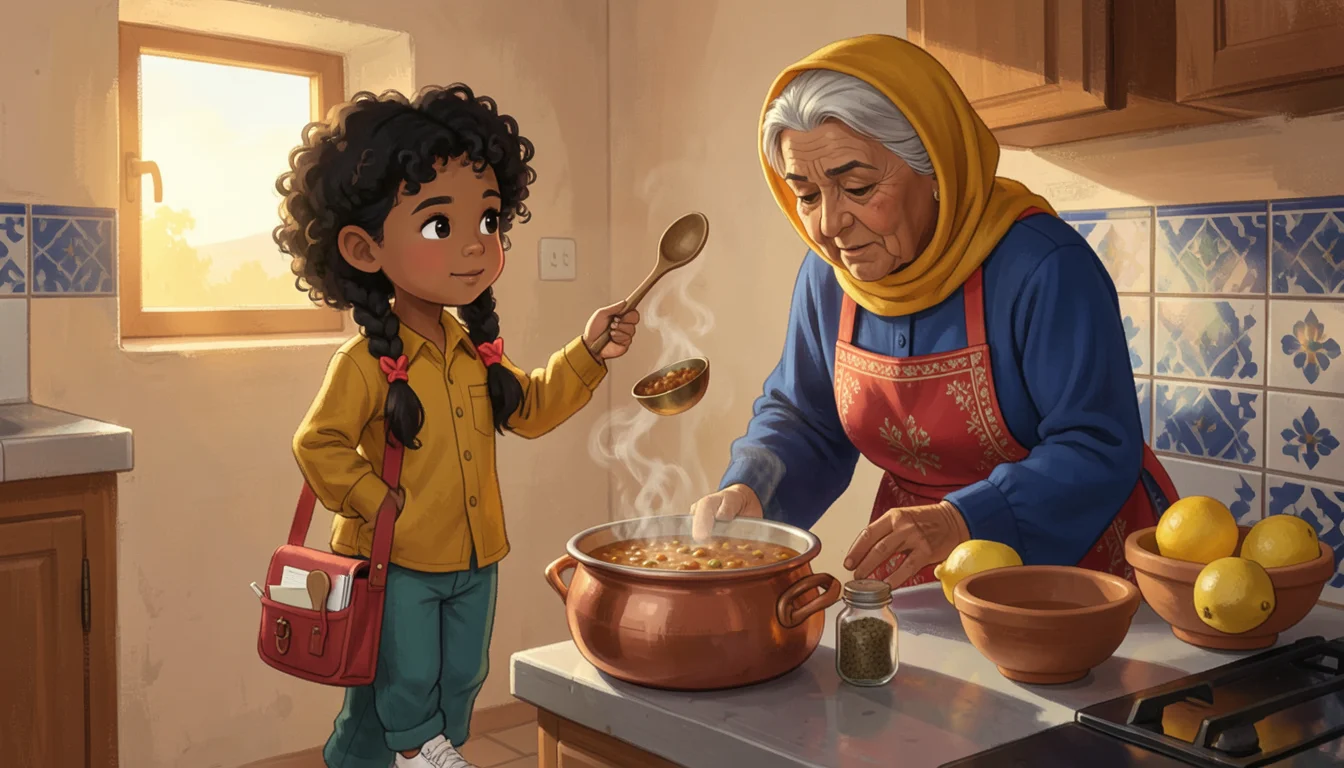
At first light, Asha stirred the Harbor Pot in her grandmother’s blue kitchen. Tonight was the Port Lantern Supper, and Asha wanted her pot to taste so true that everyone would recognize home in it. But the family recipe ended where the ink had been rubbed away.
The Recipe Changed When It Reached the PortA port city dish shows how sailors, enslaved people, traders, migrants, and local cooks can all leave traces in one meal.
1. At first light, Asha stirred the Harbor Pot in her grandmother’s blue kitchen. Tonight was the Port Lantern Supper, and Asha wanted her pot to taste so true that everyone would recognize home in it. But the family recipe ended where the ink had been rubbed away.
2. Grandmother Imani set down a bowl of okra and tapped the blank place on the card with one floury finger. “That ending disappeared long ago,” she said. “Before this recipe belonged to our family, it had already listened to the port.” Asha tucked the card into her satchel. She would ask the harbor what it remembered.
3. The harbor offered no single answer. Traders had carried rice, pepper, onions, and other goods along the sea lanes; sailors had carried food that lasted through long voyages; and local cooks had chosen what could grow, swim, or be bought nearby. Every route ended at a kitchen.
4. At the fish market, Naila, a cook born on the hill above the harbor, showed Asha how local cooks folded okra and green plantain into a thick, gentle stew. “The pot changes with the shore,” Naila said, handing her a handful of sliced peppers. Asha wrote down the words, not just the ingredients.
5. In the maritime archive, Asha learned a harder part of the story. Some people crossed the ocean by choice, but others were taken, enslaved, and sold far from home. They carried no cargo by choice; they carried memories, skills, and ways of seasoning that survived cruel journeys. Those ways entered port kitchens and helped make meals from whatever was at hand.
6. A sailor named Tomas remembered salted fish and dried beans kept aboard ships. “When we reached port, cooks did not simply copy a ship’s meal,” he said. “They traded, tasted, and changed it.” Asha added beans to her list, then crossed out the word “simply.”
7. At a spice stall, Mei, whose family had migrated to the port years before, offered Asha ginger and a lime. Her family had brought those flavors to their new kitchen, then learned to share them with local cooks. Asha held the lime to her nose and imagined the stew brightening.
8. At home, Asha lined up every clue: okra, plantain, beans, salted fish, pepper, ginger, and lime. She tried to make every history speak at once. The first spoonful was salty, sour, hot, and heavy, all at the same time. Asha set down her spoon.
9. Grandmother Imani tasted the pot without reaching for the recipe card. Asha waited, shoulders tight. Then Imani added water, a handful of greens, and a quiet pinch of pepper. “A recipe is a record of choices,” she said. “You have to make one now.” Asha left out the lime and stirred until the flavors made room for one another.
10. By evening, Asha carried the finished pot to the lantern supper. It held the shore’s okra and plantain, the archive’s remembered skills, the sailors’ beans and fish, the traders’ spices, and Mei’s ginger, while the missing line belonged to Asha. She lifted the lid, and steam hung above the crowded table.
11. People tasted, argued kindly about the lime, and reached back for more. Asha listened instead of trying to settle the argument. The recipe had changed when it reached the port: sailors, enslaved people, traders, migrants, and local cooks had all left traces in one meal, and now Asha had added hers.
Make a story like this →