 Storyclover
Storyclover
Storyclover
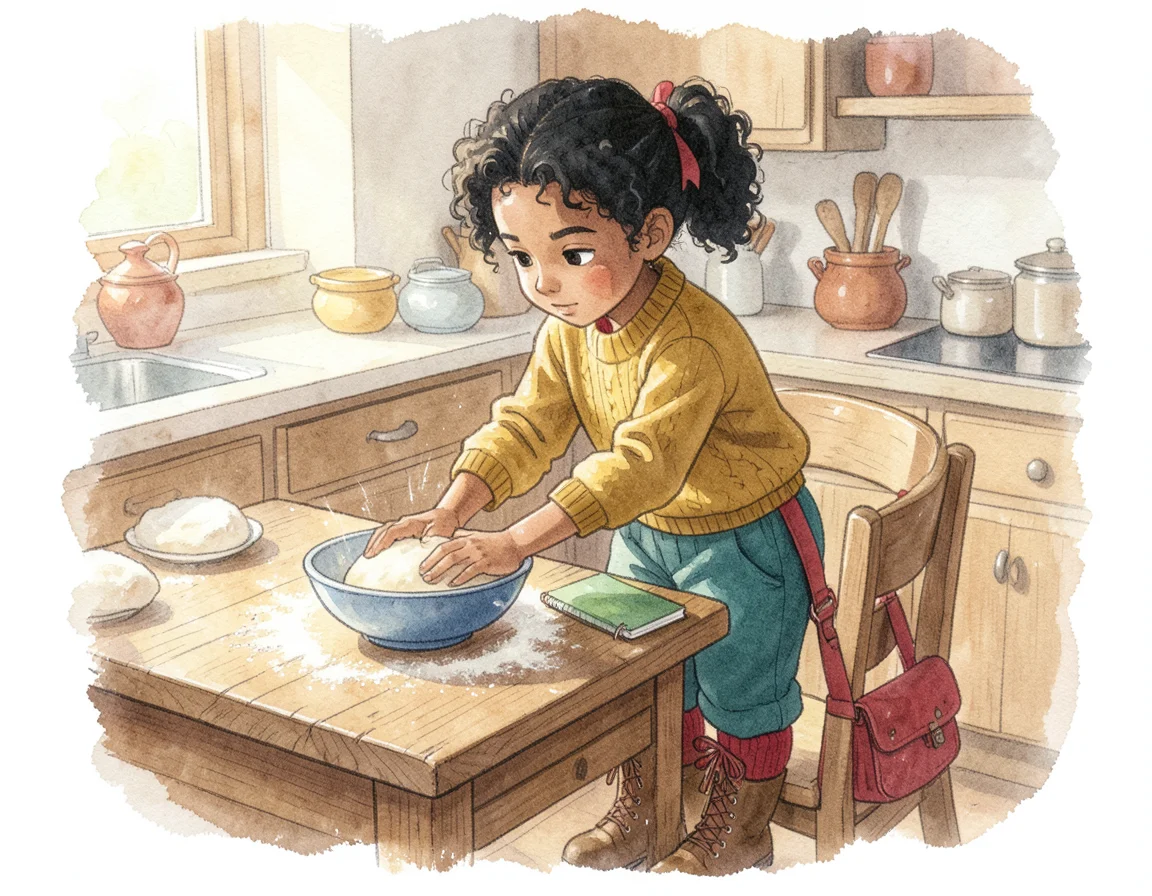
At sunrise, Mira pressed the dough with both hands. She wanted one loaf that could tell her why bread changed from place to place.
The Bread Rose Slowly Because the Weather Joined InBreadmaking in different climates shows how flour, fermentation, altitude, ovens, and patience shape everyday food traditions.
1. At sunrise, Mira pressed the dough with both hands. She wanted one loaf that could tell her why bread changed from place to place.
2. Her first stop was a village beside the sea. Anselma, the baker, covered her dough with a cloth and listened to the wind press against the shutters.
3. “The flour drinks differently on damp days,” Anselma said. “I add water slowly, then give the yeast time to wake.” Mira touched the dough. It felt soft, cool, and stubborn.
4. The dough did not hurry. While it rested, Mira learned that a cool, wet kitchen could make fermentation slow and steady. Anselma baked the loaf until its crust sounded hollow.
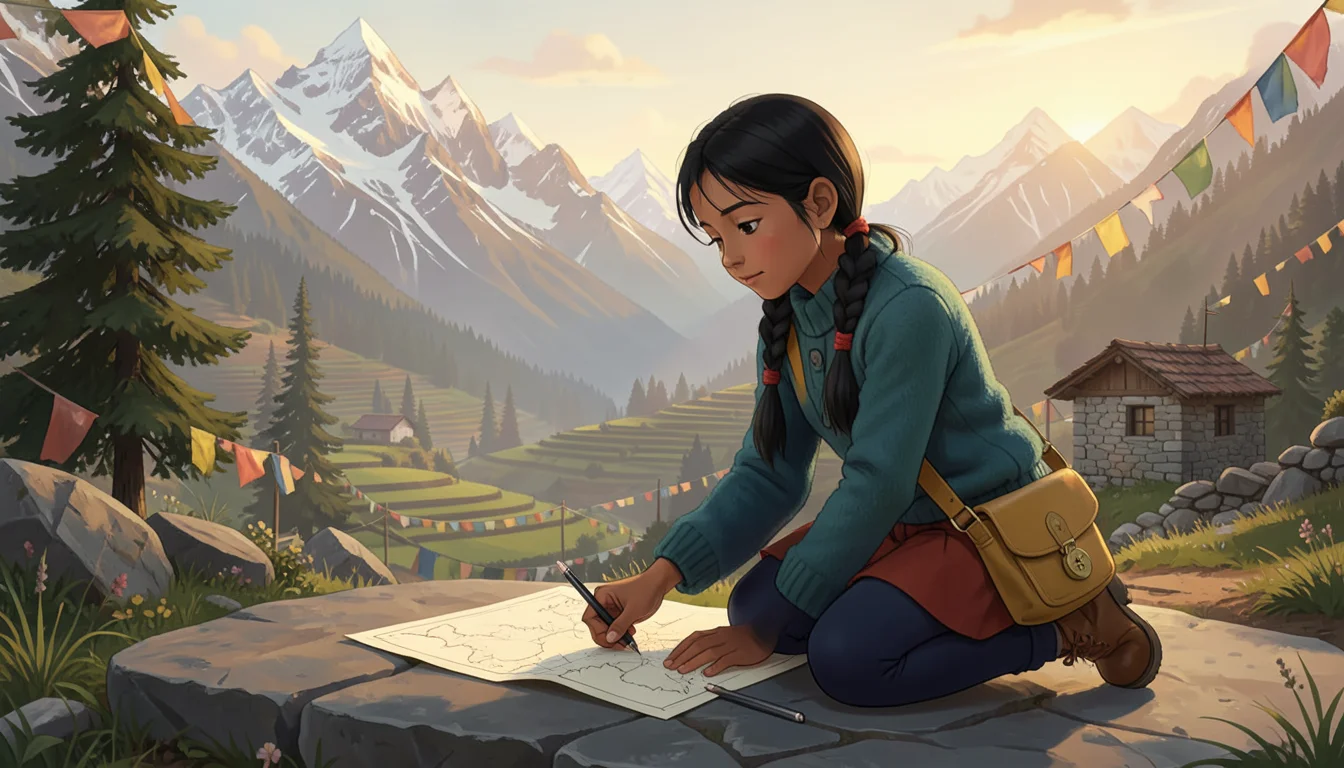
5. By noon, Mira had climbed to a mountain village. Tashi shaped thin rounds of dough while the air tugged at their sleeves.
6. “At this height, the yeast has less air to work with,” Tashi explained. “It may need longer, or a warmer corner.” Mira marked the bowl’s level in her notebook.
7. Tashi’s oven was hot and quick. The bread puffed in one place and stayed thin in another, like the mountain had left its fingerprints.
8. That evening, Mira reached a warm valley where Lela mixed maize flour with wheat. The golden dough clung to her fingers, and the dry air took water from it quickly.
9. Mira added water too fast. The dough sagged into a sticky puddle. Lela did not scold her; she folded in flour, waited, and let the mixture become itself.
10. The warm valley made fermentation lively, but the oven asked for care. Lela turned the pan by hand until the loaf browned evenly. Mira wrote: flour, weather, fire, waiting.
11. At home, Mira began again. She measured less by the clock than by the dough: its smell, its stretch, and the way it held a soft dimple under her finger.
12. Her bread rose slowly because the weather joined in. Flour, fermentation, altitude, ovens, and patience had all shaped it.
13. When Mira tasted the loaf, it held the places she had visited: damp coast, thin mountain air, and a bright valley oven. Bread was never only flour and water. It was a climate, a craft, and the patience of people making food where they lived.
Make a story like this →