 Storyclover
Storyclover
Storyclover
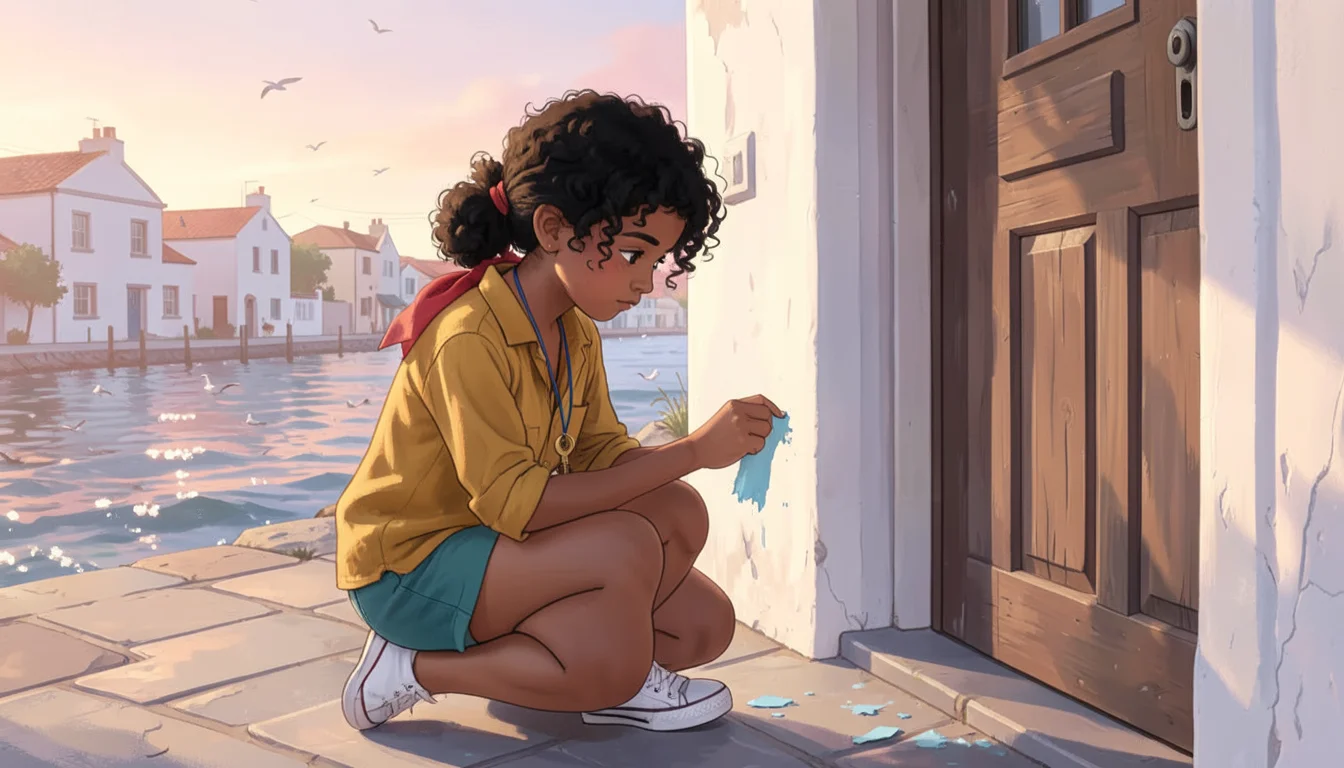
At first light, Mara knelt beside her family's sea-facing door and rubbed a flake of blue paint between her fingers. The town's doors were blue—bright blue, faded blue, blue-green—and she wanted hers to shine before the summer visitors arrived.
Why Did the City Paint Its Doors the Color of the Sea?A coastal town's blue doors open a discussion of beauty, heat, trade pigments, tourism, and the stories people tell about color.
1. At first light, Mara knelt beside her family's sea-facing door and rubbed a flake of blue paint between her fingers. The town's doors were blue—bright blue, faded blue, blue-green—and she wanted hers to shine before the summer visitors arrived.
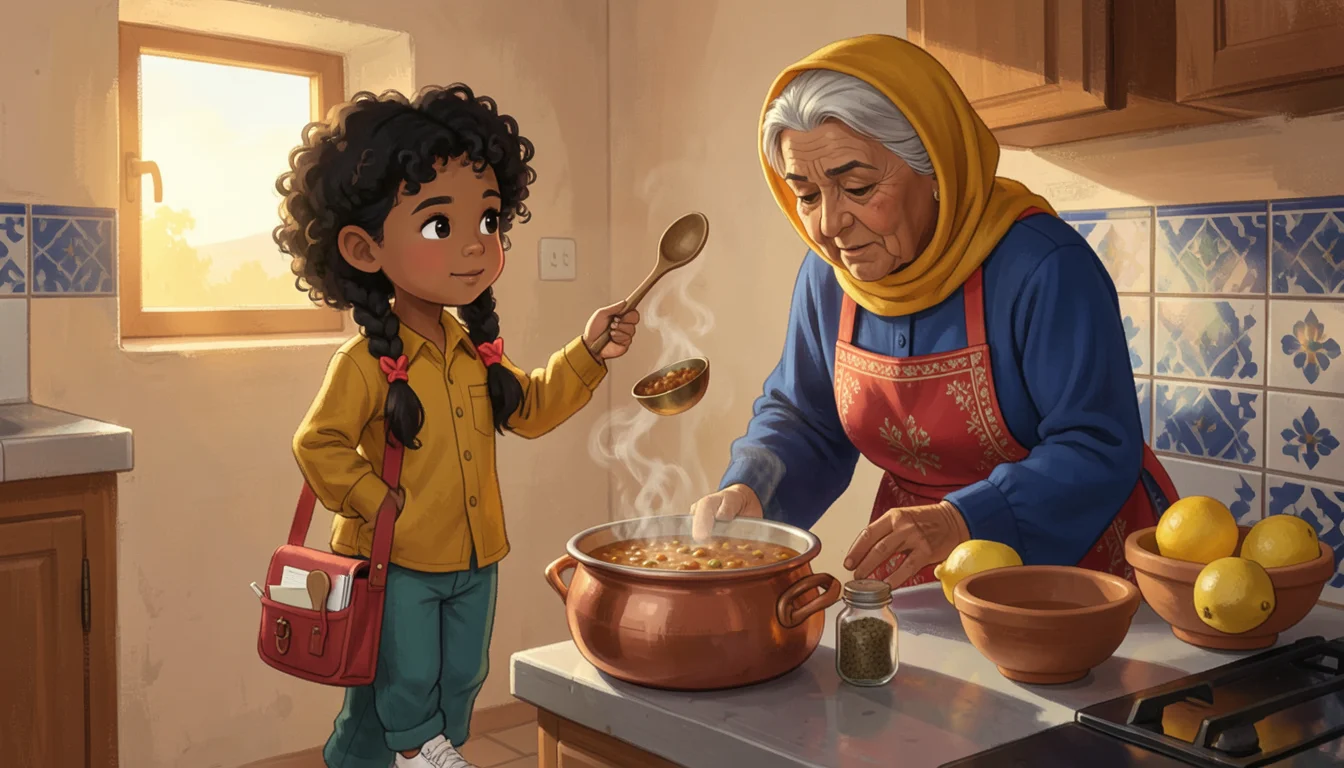
2. Nura set a wooden paint box beside Mara and studied the flake in her palm. “If you paint the door blue because everyone expects blue, you may miss the better question,” she said. “Why blue?”
3. In the old harbor warehouse, Nura opened a cabinet of pigments. Ships had once brought indigo cakes and mineral powders from faraway places, and local painters had mixed them with lime, oil, or whatever they could afford. A color could arrive as cargo before it became part of a place.
4. At noon, Nura led Mara beneath an awning where the stones stayed cool. “Blue paint is not a spell,” she said. “Thick walls, pale lime, shutters, and shade do more to keep a house cool. But people often remember the color that greeted them first.”
5. By afternoon, visitors filled the lane, lifting their phones toward the blue doors. Mara liked seeing people notice the town, but she also saw residents carrying groceries around the photographs, waiting for strangers to finish framing their homes.
6. At the paint stall, Mara found the brightest blue she had ever seen. It had traveled farther than any local boat, and its price made her count her coins twice. She wanted the door to look beautiful, yet the color seemed to ask whom the beauty was for.
7. Back home, Mara scraped a small square of the door. Under the blue lay green; under the green lay ochre; beneath them all was pale wood. Nura touched each layer with one finger. The door had not always told the same story.
8. On open-door day, Mara brought the pigment jars and paint chips to the courtyard. Tomas, who had studied the harbor records, remembered blue mineral powder arriving on trading ships. Nura remembered her aunt mixing indigo with chalk. Visitors asked whether the color was old, local, or simply lovely.
9. Mara did not buy the brilliant blue. She mixed a deep sea blue from local indigo, chalk, and a little of the old paint, then left a narrow edge of the earlier colors showing. The door looked new enough to welcome the future and old enough to remember the past.
10. At sunset, the blue doors opened a conversation about beauty that catches the eye, shade that helps a wall, pigments carried by trade, and tourism that can turn a home into a picture. People added the stories they had inherited and the ones they were still making. No one found a single reason. The sea kept changing, and the town kept its doors open.
Make a story like this →