 Storyclover
Storyclover
Storyclover
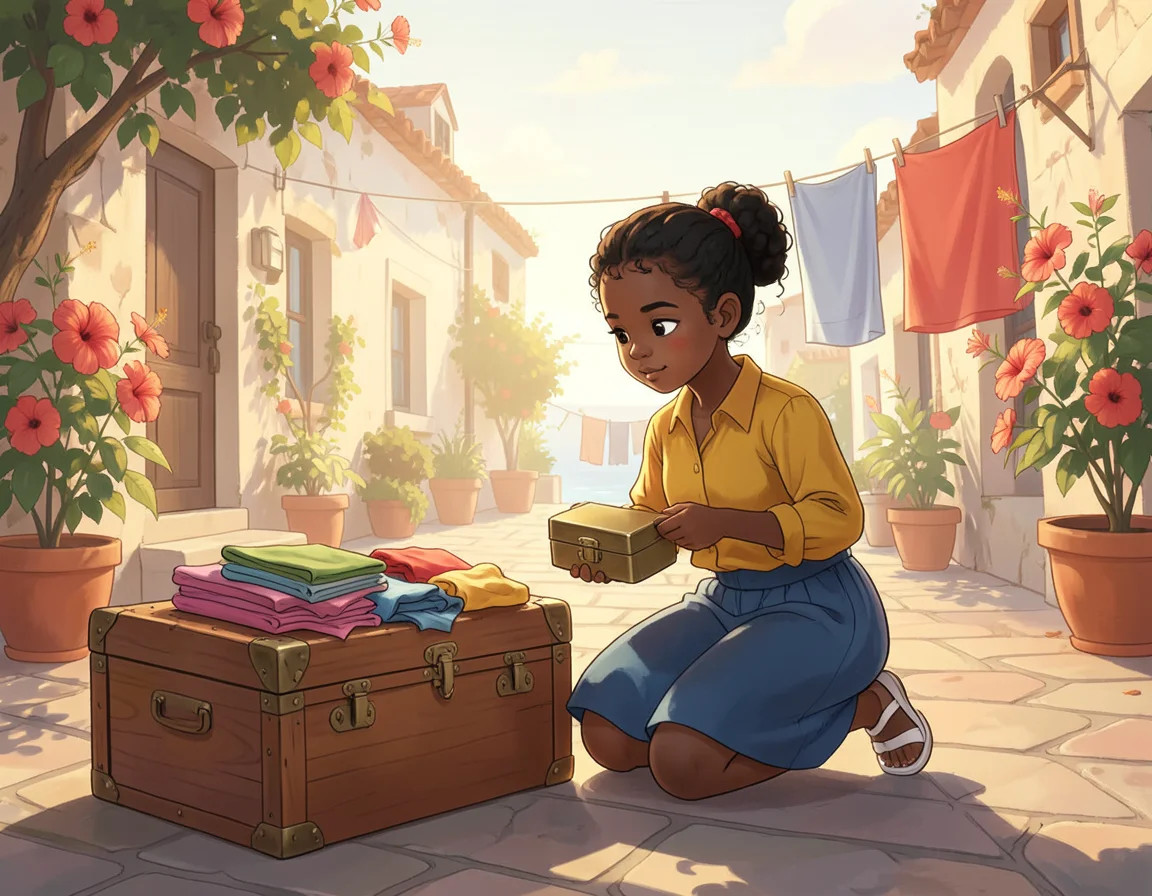
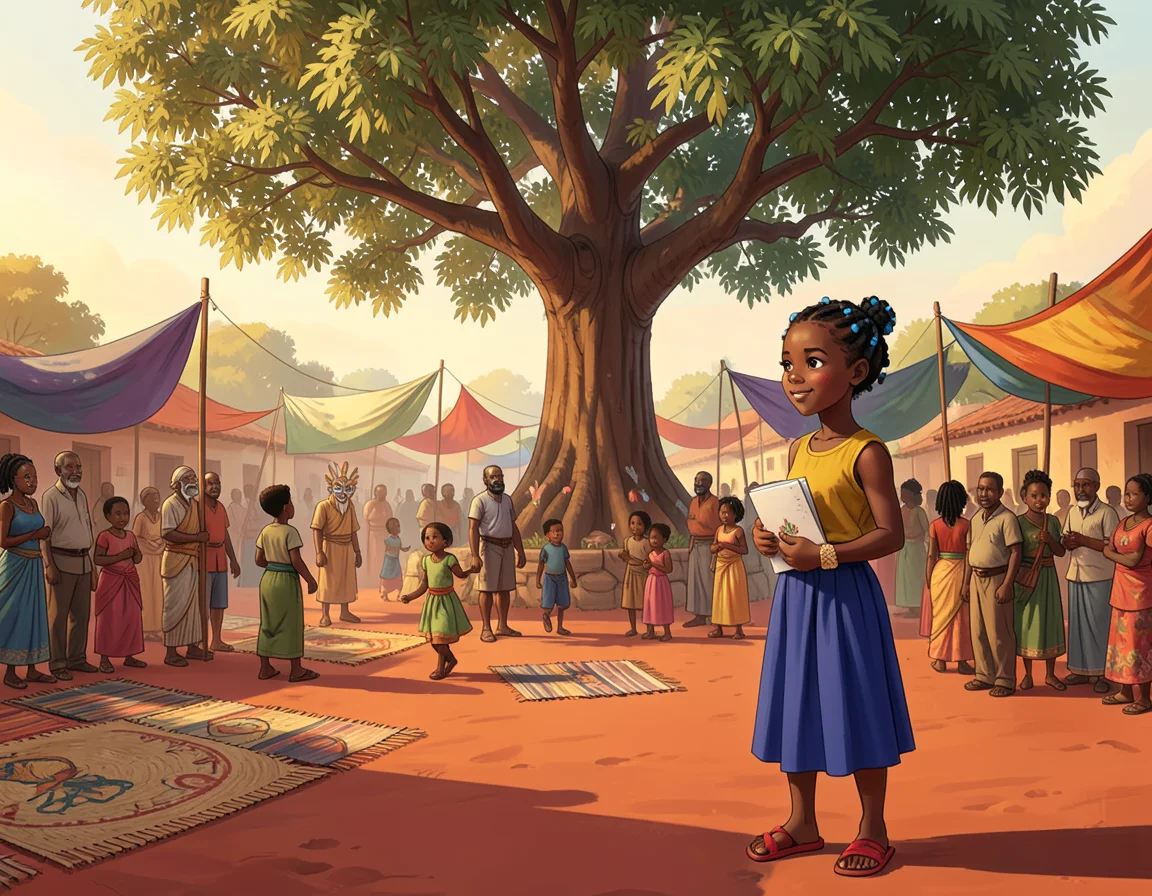
On Saturday morning, Amara opened the old wooden chest in Auntie Nia’s courtyard. Her cousin’s wedding was only three days away, and Amara had been asked to help prepare the bride’s dress.
Why Was the Bride's Dress Borrowed From Five Women?A wedding outfit assembled from relatives' garments shows how clothing can carry blessing, memory, status, and practical help at once.
1. On Saturday morning, Amara opened the old wooden chest in Auntie Nia’s courtyard. Her cousin’s wedding was only three days away, and Amara had been asked to help prepare the bride’s dress.
2. The dress was beautiful, but it was plain: cream cloth, a narrow waist, and sleeves that ended at the elbows. Amara held it up. “Is this really the wedding dress?”
3. Auntie Nia smiled and lifted a deep blue sash from the chest. “The dress is only the beginning,” she said. “A wedding outfit can gather a family around the person who wears it.”
4. The first woman was Lela, the bride’s older sister. She lent a crimson shawl embroidered with tiny gold birds. Lela had worn it when she received her first job, and she wanted its good beginning to travel onward.
5. The second woman was Mama Sefu, the bride’s mother. She offered silver earrings that had belonged to her own mother. “They are not just decorations,” she said. “They remember who stood beside us.”
6. The third woman was Grandmother Binta. From a basket she brought an ivory veil, carefully mended along one edge. “This cloth kept the sun from my face,” she said. “It can still be useful while it carries a blessing.”
7. The fourth woman was Auntie Tandi, who owned the town’s busiest shop. She lent a wide purple belt edged in red. Its rich color announced celebration, even though the cloth had already served many customers and many seasons.
8. The fifth woman was Nuru, the bride’s friend. She brought soft cream slippers. “The bride will greet half the town,” Nuru said. “Pretty shoes are helpful only if they let her keep greeting.”
9. Amara arranged the five borrowed pieces around the cream dress. They did not match in the way a shop window matched. They matched in another way: each one had arrived carrying a story.
10. Amara pinned the belt and stitched the sash. Then she noticed a loose seam beneath the arm. The borrowed finery would not matter if the dress pulled apart during the ceremony.
11. Amara repaired the seam with small, strong stitches. No one laughed at the plain cloth. The women held the fabric steady while she worked, as if the dress belonged to all of them already.
12. On the wedding morning, Lela stepped into the finished outfit. The shawl brought blessing, the earrings held memory, the belt carried status, and the slippers promised practical help.
13. Lela greeted every guest, walked every path, and never once stopped to tug at her clothing. When the music began, the five women saw their gifts shining together—and Amara saw the stitches that held them there.
14. “Why was the bride’s dress borrowed from five women?” Amara asked as the courtyard grew quiet. Lela touched the strong seam and smiled. “Because clothing can carry blessing, memory, status, and practical help at once—and because some things are strongest when a family lends them together.”
Make a story like this →