 Storyclover
Storyclover
Storyclover
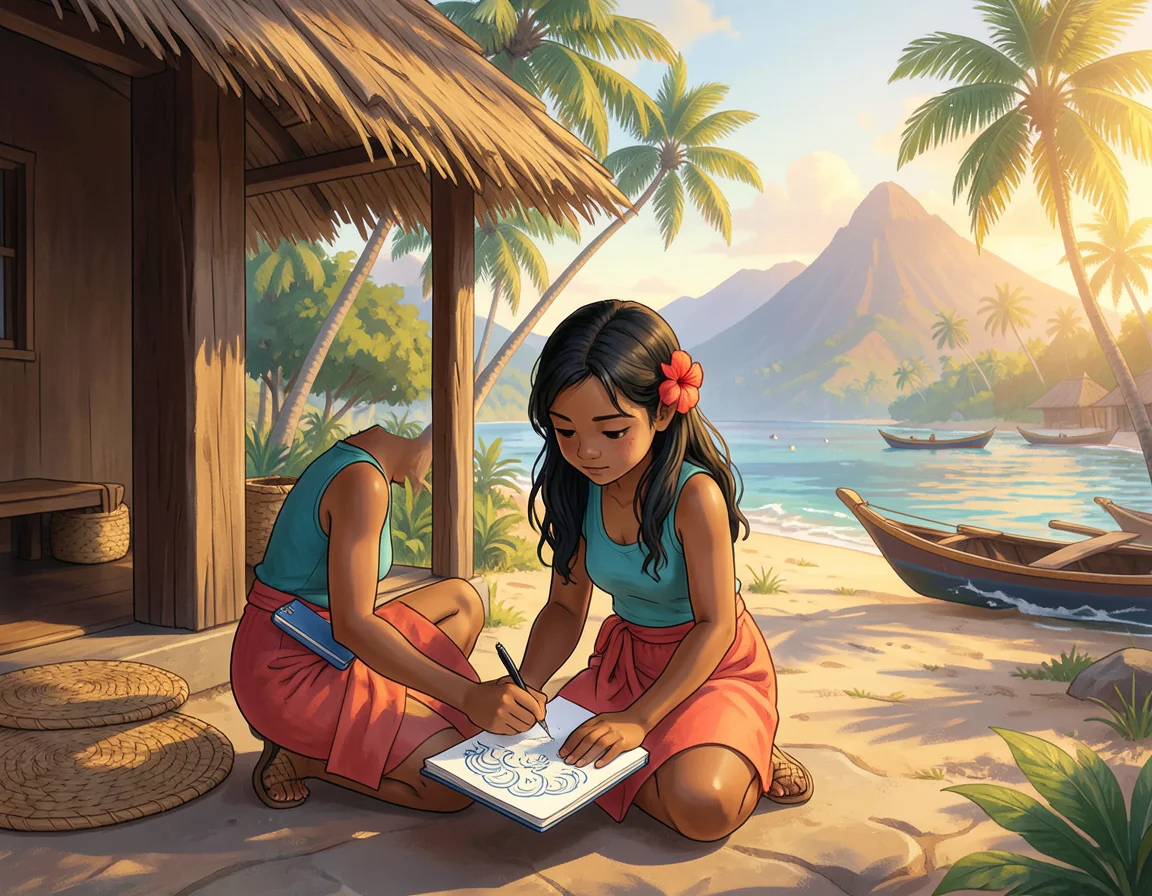
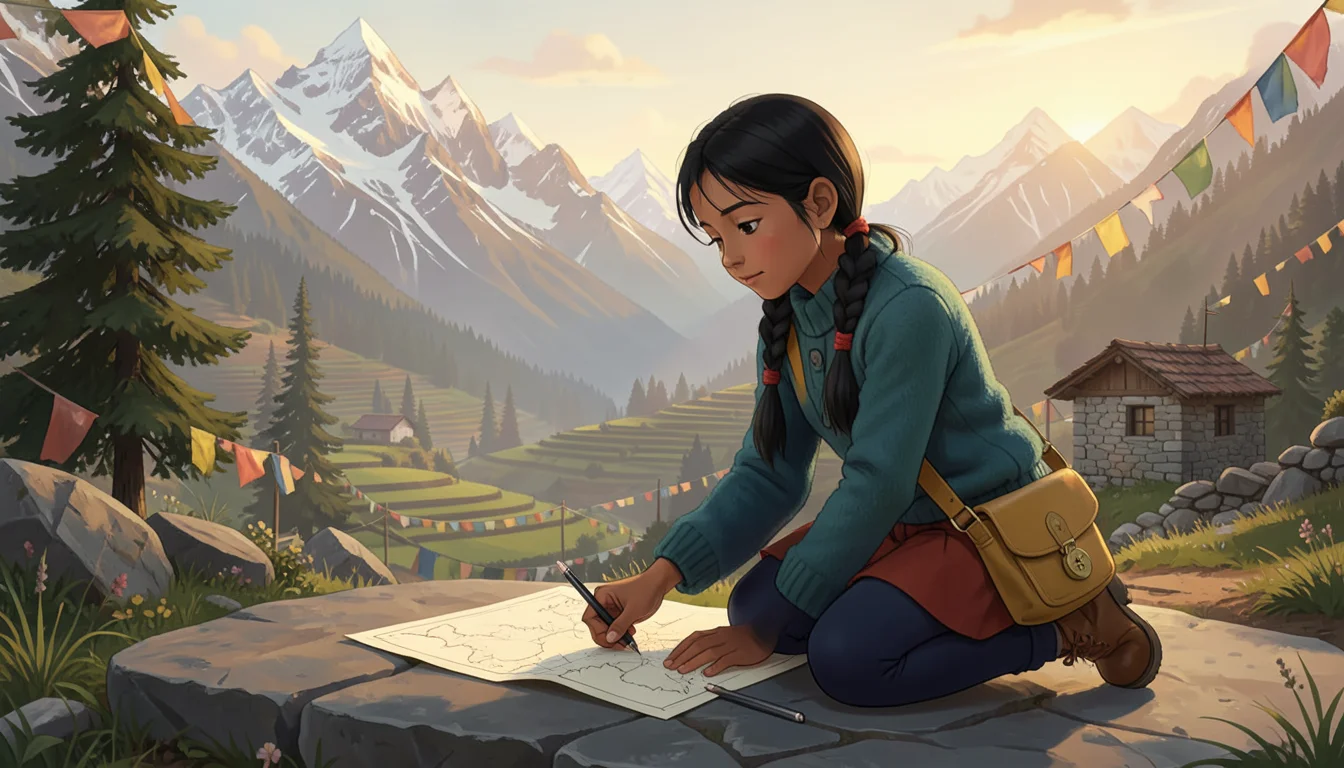
On a bright afternoon, Leilani Kealoha sketched waves beside her family’s house. She wanted a tattoo when she grew older—something beautiful, something that would tell the truth about her.
The Tattoo That Was a Map, a Name, and a PromiseLearning about Polynesian tattoo traditions shows how body art can record genealogy, identity, courage, and responsibility rather than decoration alone.
1. On a bright afternoon, Leilani Kealoha sketched waves beside her family’s house. She wanted a tattoo when she grew older—something beautiful, something that would tell the truth about her.
2. “I want a design like this,” Leilani said. “A necklace of waves around my wrist.” Grandmother Mele Fetu touched the page, then touched the carved pendant at her throat. “Before you choose a pattern, learn what one can carry.”
3. Mele told her that Polynesian tattoo traditions differ from island to island and family to family. In many places, patterns have recorded genealogy, identity, courage, rank, service, and responsibility.
4. “A mark can point backward,” Mele explained. “It may honor ancestors and show where a family belongs. It can also point forward, reminding the wearer how to live.”
5. At the shore, Leilani met Tane Rangi, a respected tattoo artist. He showed her a traditional hand tool and explained that such work required skill, patience, permission, and care—not a quick choice made for fashion.
6. “The tool is not the story,” Tane said. “The person, the family, and the responsibility behind the mark are part of the story too.” Leilani drew a line through her wave necklace.
7. Mele told Leilani about relatives who had crossed the ocean, cared for gardens, taught children, protected sacred places, and carried family names through difficult years. Their marks were not trophies. They were promises people had agreed to hold.
8. Leilani changed her project. Instead of copying a pretty pattern, she asked her family where their people had come from and what they had cared for along the way.
9. Leilani’s drawing became a map, a name, and a promise. It remembered the people behind her and asked what she would add through her own choices.
10. Leilani was still curious about having a tattoo one day. Now she knew to ask whose tradition it was, what it meant, and what responsibility she would carry with it. A mark on skin could be more than decoration. It could remember, identify, honor, and promise.
Make a story like this →