 Storyclover
Storyclover
Storyclover
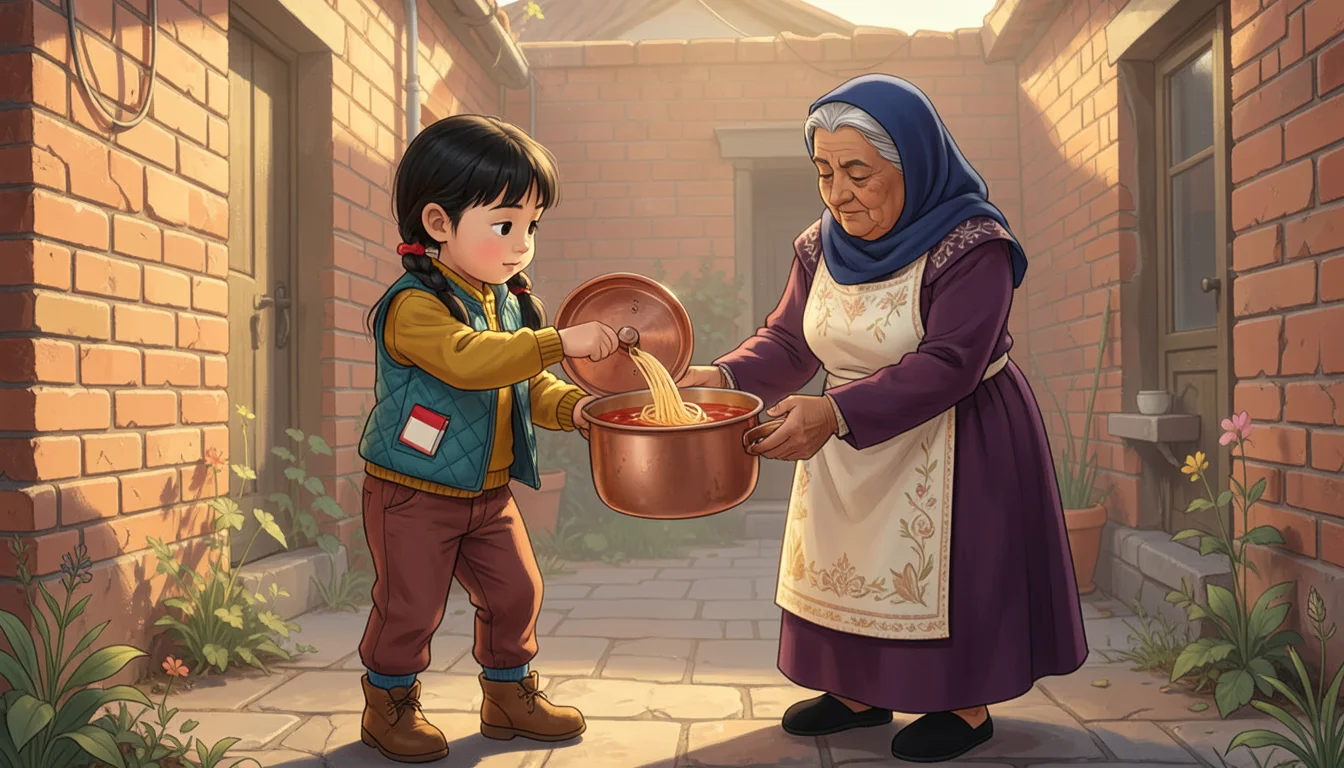
At dawn in her grandmother’s courtyard in Almaty, Amina lifts the lid of a copper pot and finds a tangle of noodles resting in red-gold broth. She leans close and wonders how dinner could taste as if it has traveled.
The Soup That Remembered an Empire and a BorderFollowing one noodle soup across Central Asia shows how conquest, trade, migration, and local taste can turn history into dinner.
1. At dawn in her grandmother’s courtyard in Almaty, Amina lifts the lid of a copper pot and finds a tangle of noodles resting in red-gold broth. She leans close and wonders how dinner could taste as if it has traveled.
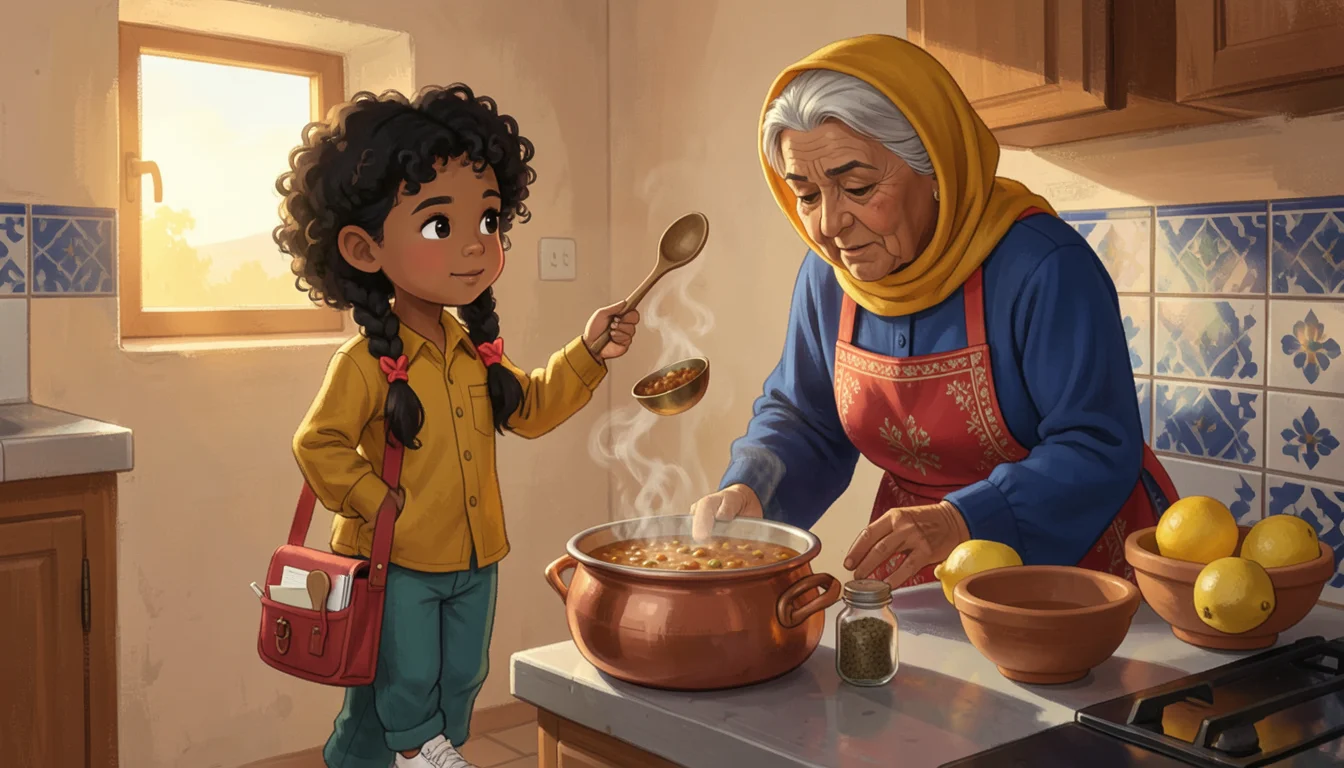
2. Saida sets out dough, lamb, onions, peppers, garlic, and herbs. This is laghman, she explains, and it has more than one home. Amina opens her notebook because she wants to find the road between those homes.
3. Saida does not draw a single birthplace. She lays a red thread over mountains, grasslands, and old roads instead. A recipe can travel in a trader’s pack, a family’s memory, or a cook’s hands, so its path may have many bends.
4. Long before Amina’s bowl, cooks in China made wheat noodles by hand. Traders and travelers carried ingredients, techniques, and stories west along the Silk Roads. A recipe does not leave a passport behind, so its first home is harder to name than its route.
5. Then conquest changed the roads. The Mongol Empire joined far-flung lands under one power for a time; conquest brought hard years and forced journeys, while connected routes moved people, skills, and ingredients farther. Noodles could cross a mountain pass with a cook, a family, or a trader.
6. Across Central Asia, hand-pulled noodles met local tastes. In some kitchens, laghman held a thick sauce; in others, it floated in more broth. Some cooks favored fiery peppers, while others reached first for herbs, garlic, or the sweetness of onions.
7. Centuries later, modern borders crossed older routes. Families and languages still linked many places, but a dish that once traveled by road might now cross a checkpoint, a language line, or only a family story. Amina expected one neat answer; her notebook filled with bends and unanswered questions instead.
8. That evening, Amina tries to make one bowl that will taste like every place at once. She stretches the noodles too thin, piles in too many peppers, and lets the broth grow muddy. She sets down her spoon and sits beside the lamplit window.
9. Saida tastes the broth and waits. A bowl cannot hold every road, she says; it can remember where it has been and still belong here. Amina starts again, keeping her family’s balance and leaving room for her own hand.
10. At dinner, Amina sets her bowl beside Saida’s. The noodles are long, the broth is bright, and no border on the cloth can make them stop belonging to several places at once. Following one noodle soup across Central Asia shows how conquest, trade, migration, and local taste can turn history into dinner.
Make a story like this →