 Storyclover
Storyclover
Storyclover
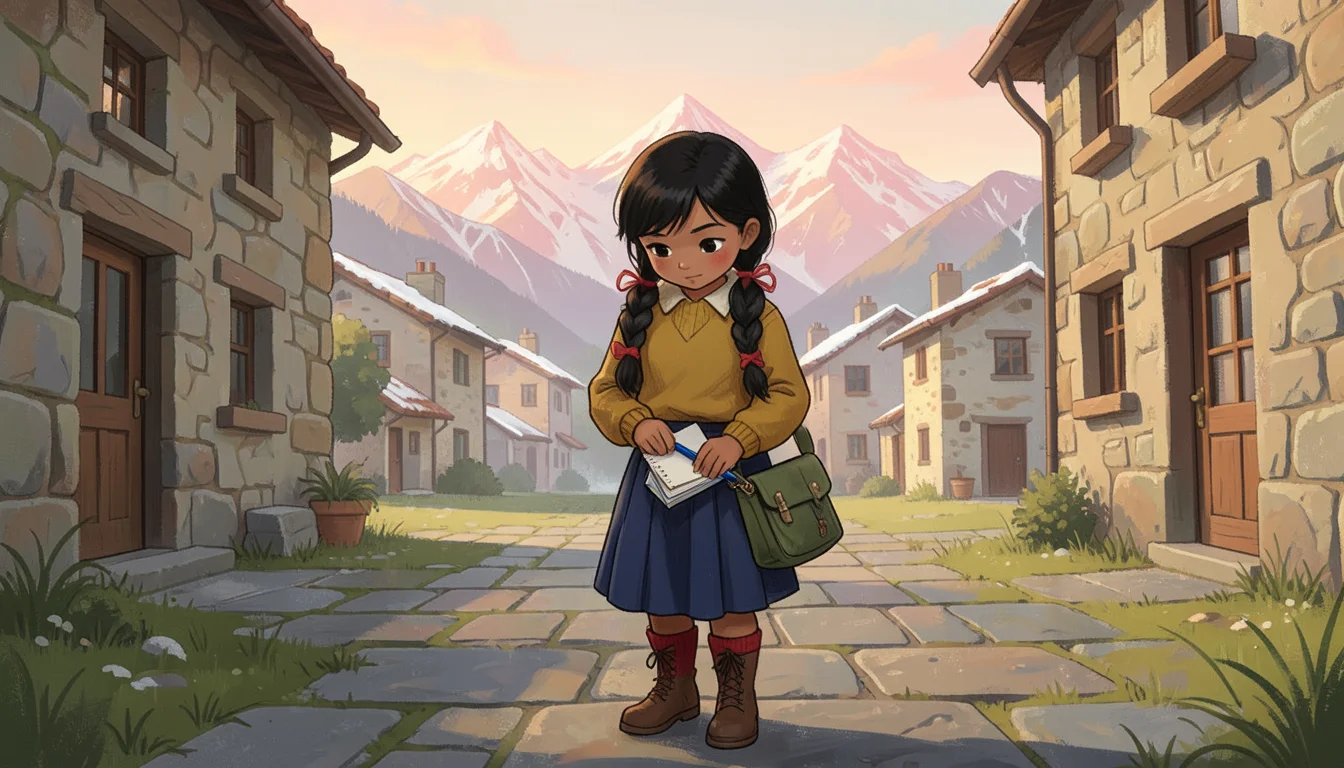
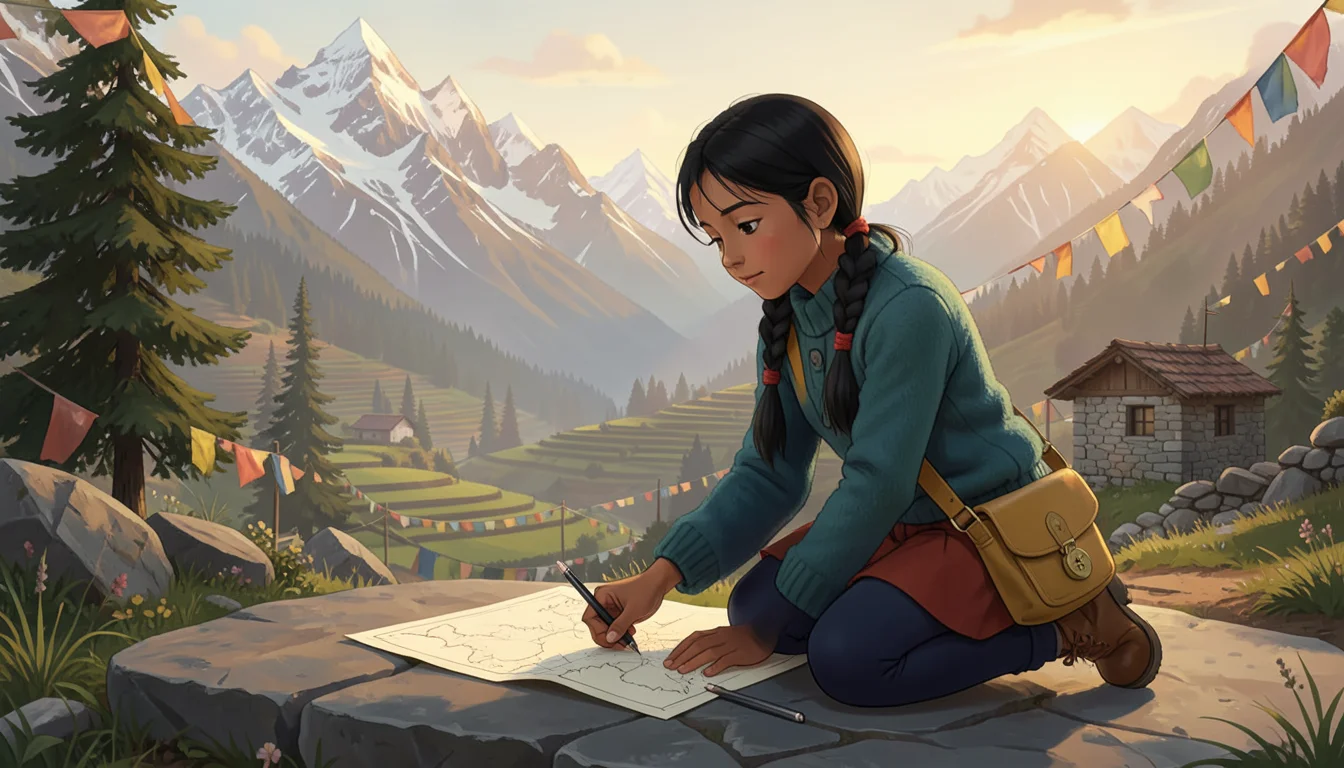
At first light, Lina tied two notebooks into her green satchel in the courtyard of her family’s stone house. The mountain village clung to the slope below her, and the snow peaks turned pink above it. Today, she meant to make a map that could hold the whole valley.
The Mountain Village That Sent Its Children to Two SchoolsA bilingual school day shows how children can move between a national language and a local language while carrying different kinds of knowledge.
1. At first light, Lina tied two notebooks into her green satchel in the courtyard of her family’s stone house. The mountain village clung to the slope below her, and the snow peaks turned pink above it. Today, she meant to make a map that could hold the whole valley.
2. The mountain village sent its children to two schools. In the morning, they went down the steep road to the national-language school; in the afternoon, they climbed back to the village school for lessons in the local language. Lina liked the first school’s wide windows, but she wondered what the second school could add to her map.
3. That morning, the national-language teacher gave the class a task for the village exhibition: draw how spring water traveled from the high snowfields to the gardens below. Lina drew the streams, bridges, and fields neatly. Then she reached the place where the paper needed the mountain’s own names, and her pencil stopped.
4. At noon, Lina carried her unfinished map uphill to the second school. Mara, the local-language teacher, was waiting beside the open wooden door with a basket of maps and pinecones. Lina showed her the blank spaces, and Mara did not fill them in. She led Lina toward the spring instead.
5. At the spring, Mara placed three pinecones on the stones and spoke first in the local language. The stream had one name for the water that came after the last snow, another for the water that ran clear under ice, and a third for the water that fed the bean terraces. Lina knew the stream as a blue line on a map. Mara knew its seasons, sounds, and promises.
6. Lina copied the three local words into her national-language notebook, then stopped. If she translated them into a single line, the map would be easier to read, but something important would disappear. She drew each local name beside its national-language meaning and added the path the water actually took, including the turns no ruler could measure.
7. The next morning, Lina carried the map to the national-language school and stood before the class. She read the national-language labels aloud, then gave the local names their own careful sounds. When someone asked why the streams needed two kinds of names, Lina pointed to the lines and explained where each kind of knowledge had come from.
8. That afternoon, Mara examined the map at the village school. She corrected one bend in the stream and added the place where villagers listened for water beneath the thawing ground. Lina added the measurement from her first school, and the two kinds of knowledge met on one sheet.
9. At sunset, Lina tucked the map between her two notebooks and looked down at the road connecting the schools. The children of the mountain village would climb and descend it again tomorrow. That was how their bilingual school day worked: they moved between the national language and the local language, carrying different kinds of knowledge in each.
Make a story like this →