 Storyclover
Storyclover
Storyclover
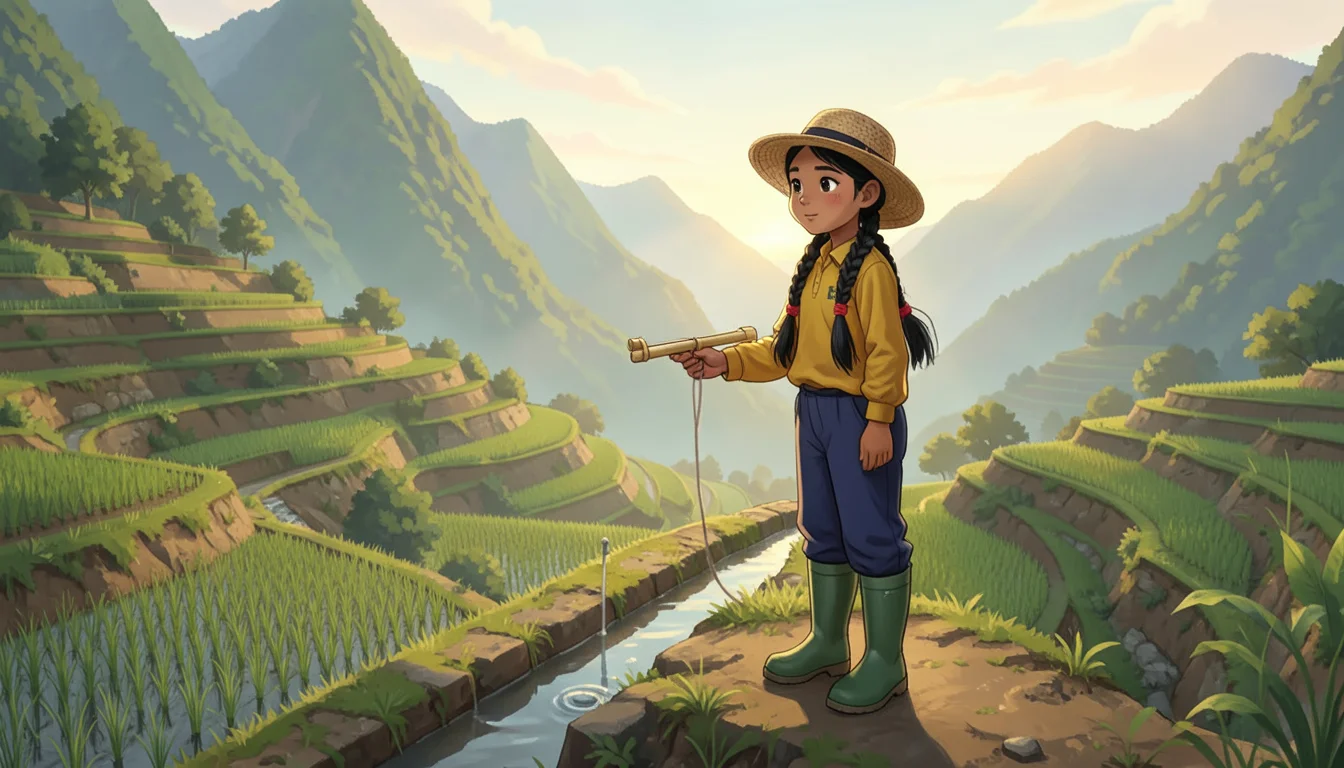
At first light, Lila climbed the upper terrace with a small bamboo water gauge in her hand. The rice seedlings below were waiting in neat green rows, and she wanted the spring water to reach them before the sun grew hot.
The Rice Terrace Was a Staircase for Water, Not PeopleTerraced farming reveals how engineering, cooperation, land rights, and seasonal ceremonies help communities grow food on steep slopes.
1. At first light, Lila climbed the upper terrace with a small bamboo water gauge in her hand. The rice seedlings below were waiting in neat green rows, and she wanted the spring water to reach them before the sun grew hot.
2. At the first bend, Lila found a muddy break in the channel. Water slipped through it toward the wrong field. Grandmother Suri rested her walking stick beside the wall and studied the gap with Lila.
3. Grandmother Suri did not let Lila pack the gap with stones. The channel crossed three plots, she explained, and each family had a right to water at a particular turn. They would ask the neighbors before changing anything.
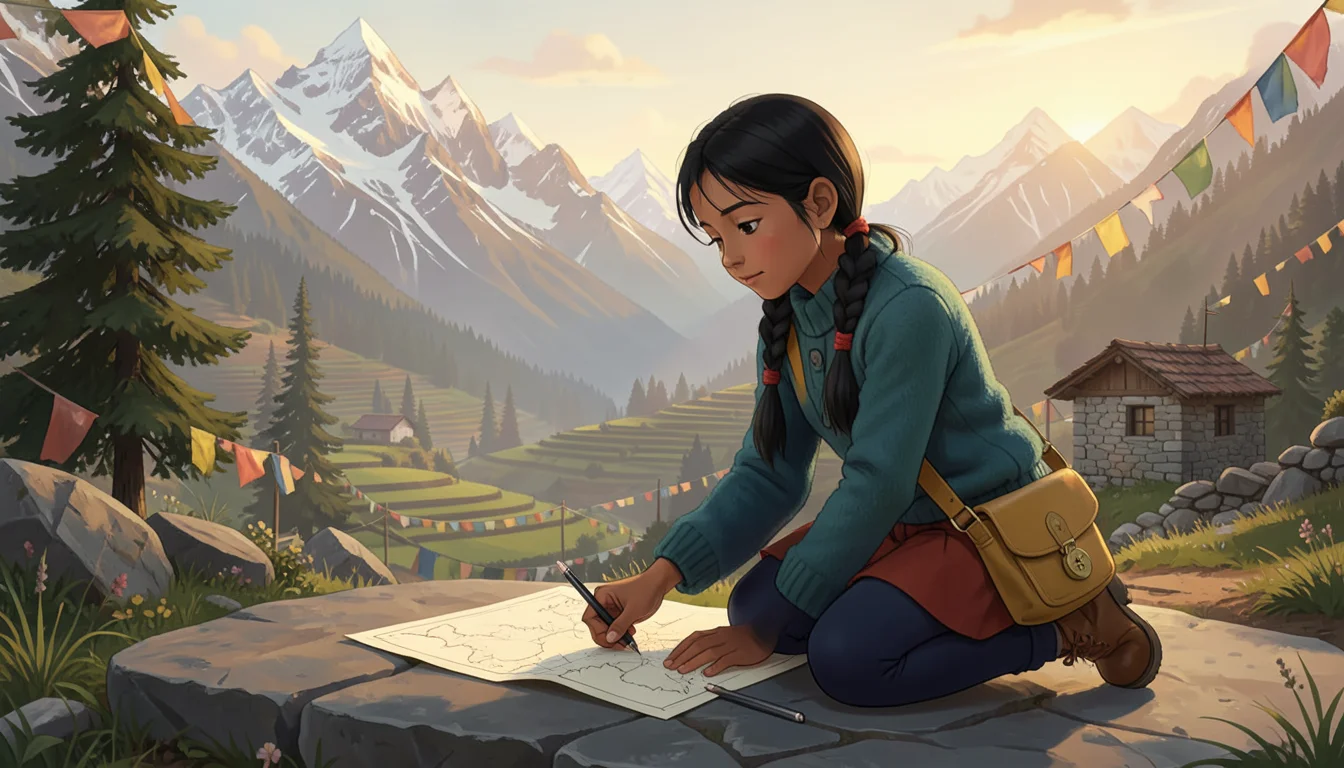
4. Under the fig tree, the neighbors spread an old woven map beside the boundary stones. It showed where each family’s land began and where the water should turn. Lila found the broken gate exactly where two rights met.
5. That afternoon, Lila fitted a thin bamboo wedge beneath the broken gate. The water turned toward her family’s seedbed at once. She told herself she would remove the wedge before anyone noticed.
6. By sunset, the seedbed shone wet, but the next channel lay dusty. Lila stood with the wedge in her palm and thought of the three turns. Then she carried it back to the broken gate and put the water where it belonged.
7. The next morning, Lila carried the wedge to the neighbors and told the truth. No one praised her choice, but no one turned her away. Together, they rebuilt the wall, leveled the channels, and made a gate that could share the water without guessing.
8. When the rains returned, the community held its first-water ceremony. Each family brought seeds and a little water, and Grandmother Suri named the turns aloud. Lila stood beside the new gate, listening to every name.
9. The water reached one terrace, then the next, following the walls and the agreed turns. No single family had made the mountain gentle. They had made its steepness useful together.
10. At harvest time, Lila climbed the terraces carrying a basket of rice. The stone walls held the mountain in steps, the channels followed the old rights, and the first-water ceremony waited for the next season. The rice terrace was a staircase for water, not people; engineering, cooperation, land rights, and seasonal ceremonies helped this community grow food on steep slopes.
Make a story like this →