 Storyclover
Storyclover
Storyclover
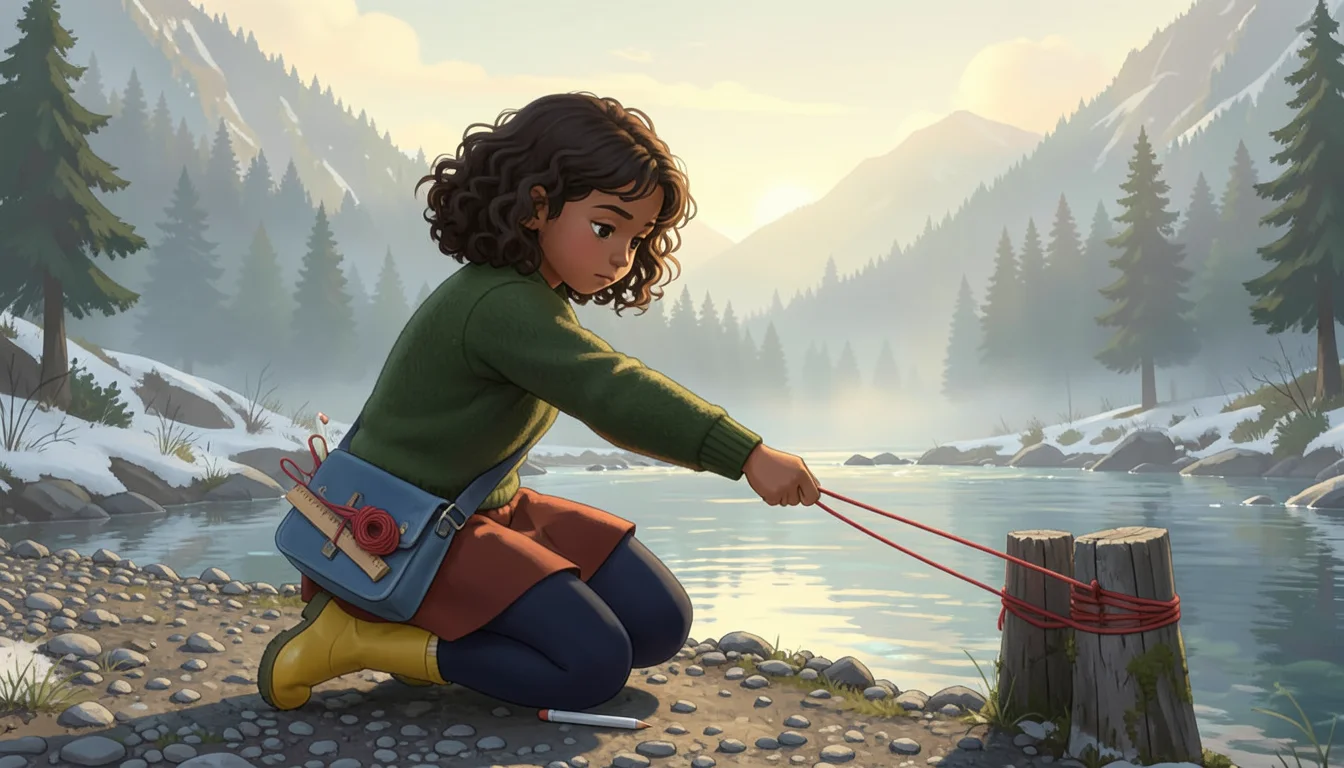
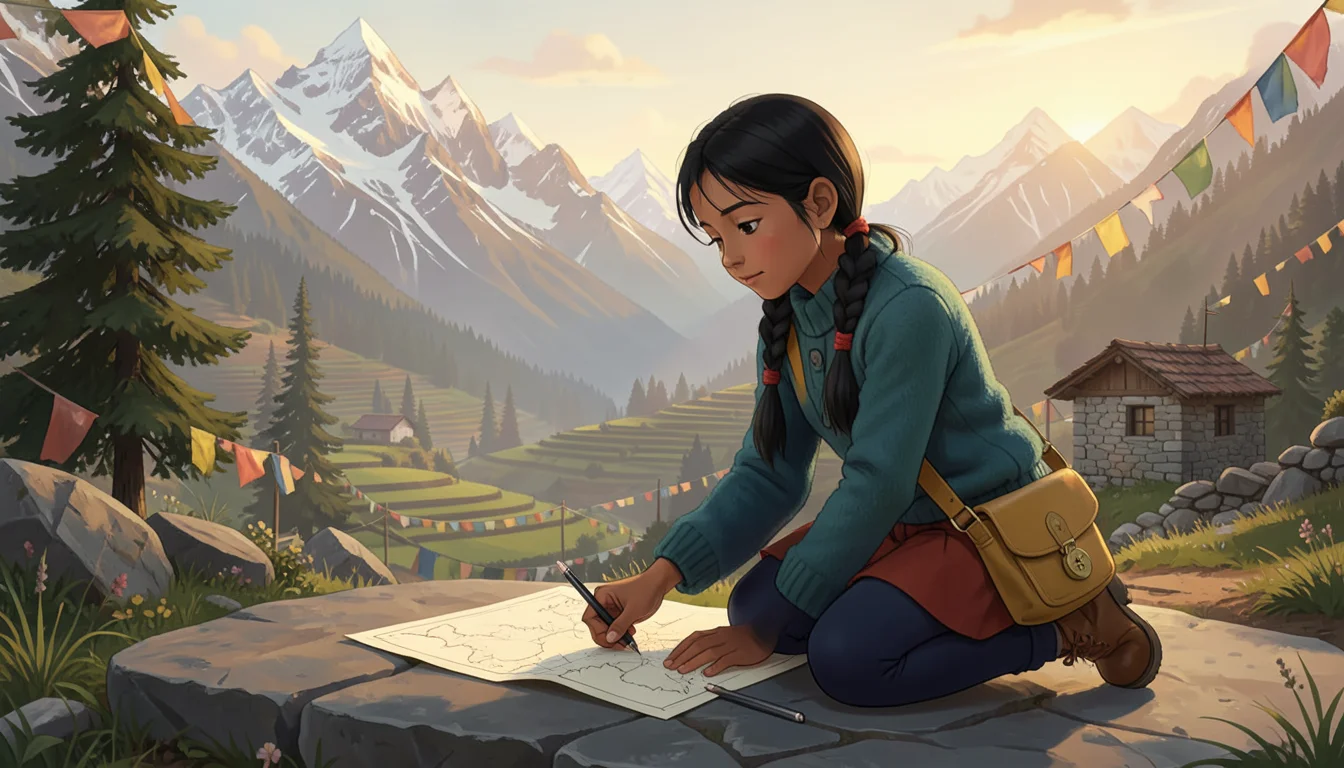
At first light in late spring, Mara knelt beside the mountain stream and stretched her red twine from one winter-worn bank to the other. The old footbridge had been carried away by autumn ice, and this year Mara meant to help choose its first beam. She pressed her ruler into the gravel, measuring twice before she made a plan.
The Bridge Was Built Twice, Once in Wood and Once in TrustA seasonal bridge-building tradition shows how engineering depends on ritual timing, shared labor, local plants, and confidence in one another.
1. At first light in late spring, Mara knelt beside the mountain stream and stretched her red twine from one winter-worn bank to the other. The old footbridge had been carried away by autumn ice, and this year Mara meant to help choose its first beam. She pressed her ruler into the gravel, measuring twice before she made a plan.
2. Iven arrived with willow rods tucked beneath her arm. “Not yet,” she said, pointing to the river and the plants along its edge. In their valley, Bridge Day began only when three signs met: the river fell below the flat stone, the young willow bent without cracking, and the river mint gave off its sharp green smell. The signs were a ritual, but they were also measurements.
3. At a warm dawn, while the river still lapped above the flat stone, Mara set two young willow poles across a narrow part of the bank and tied them with red twine. The little frame sagged into the reeds. Mara pulled it free and found a pale crack in one pole.
4. She laid the broken pole beside the ruler. The wood had not failed because her shape was foolish; it had failed because the bank was soft and the willow was not ready to bend. Iven crouched beside her and handed her the coil of twine. “Then you choose when we begin,” Iven said. “Choose for everyone.”
5. The next morning, four adult villagers arrived with alder poles, willow rods, and baskets of river stones. Mara tested the river, the willow, and the mint, then shook her head. “Not yet.” The villagers set down their loads without complaint and spent the morning clearing the old footings, because waiting did not mean standing still.
6. On the following dawn, the river showed a dry rim around the flat stone. The willow bent like a bow, and crushed mint filled the air with its clean, peppery scent. Mara tied three willow leaves to the starting post, the old signal for Bridge Day, and lifted her hand. This time, everyone picked up a tool.
7. Under Iven’s direction, the villagers set alder posts deep into the gravel and laid the beams across them. Mara measured the span, then marked each brace with a loop of twine; willow withies crossed the joints, and river stones settled the feet. Each task depended on the next person’s hands.
8. At midday, Mara placed three stone-filled baskets at the center of the new span. The bridge dipped a finger’s width and held. Iven stepped onto the first plank, then Mara joined her, while the villagers watched from both banks. No one asked whether Mara trusted the bridge; they had trusted her choice of morning.
9. By sunset, the whole village crossed with empty baskets and quiet feet. Before the first winter storm, they would unbind the willow and stack the alder safely above the flood line; when spring returned, the signs would call them together again. Mara rested her hand on the warm rail. The bridge was built twice, once in wood and once in trust.
Make a story like this →