 Storyclover
Storyclover
Storyclover
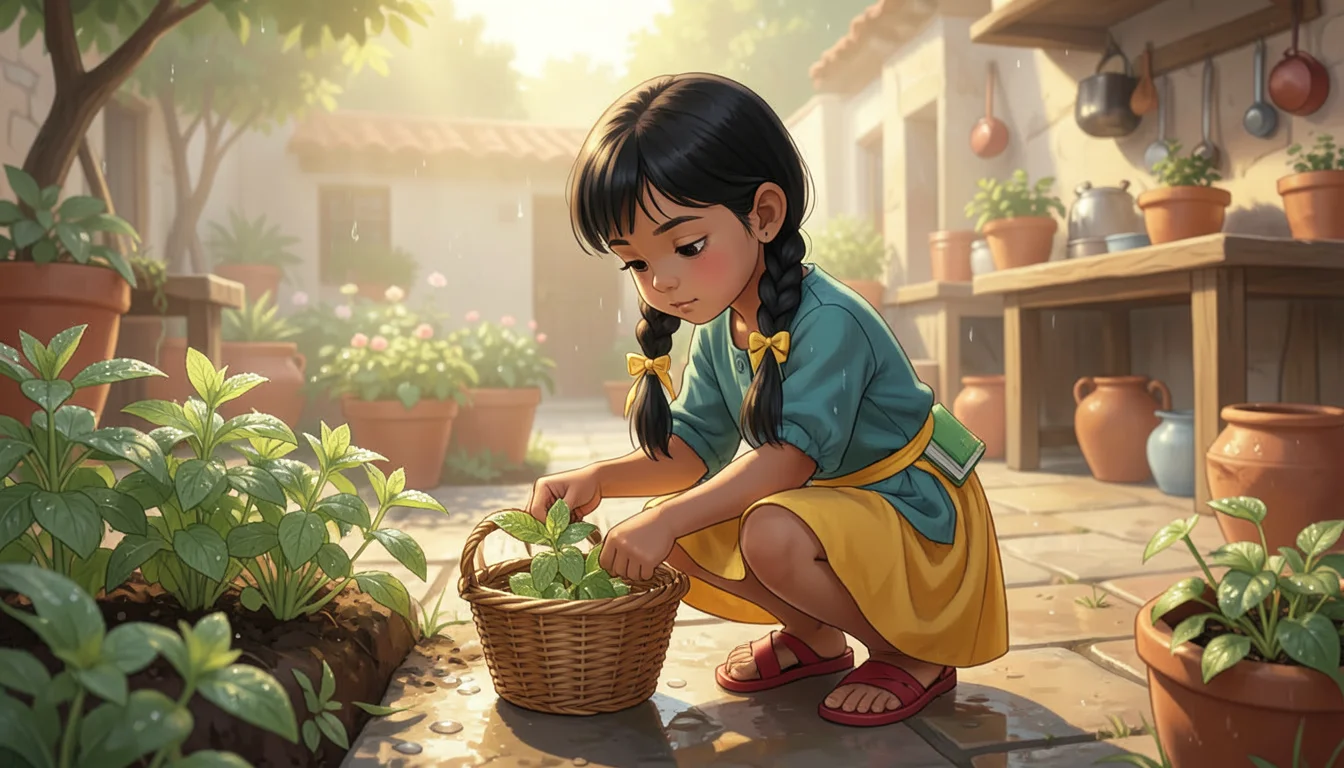
At dawn, on the first market morning after the rains, Liora crouched beside the kitchen garden and pinched three mint leaves between her fingers. Her stomach had tightened before breakfast for the third time that week, and she wanted to understand why.
Why Did the Healer Ask About the Moon and the Market?A look at traditional healing systems shows how health knowledge can combine plants, seasons, diet, community, and careful observation.
1. At dawn, on the first market morning after the rains, Liora crouched beside the kitchen garden and pinched three mint leaves between her fingers. Her stomach had tightened before breakfast for the third time that week, and she wanted to understand why.
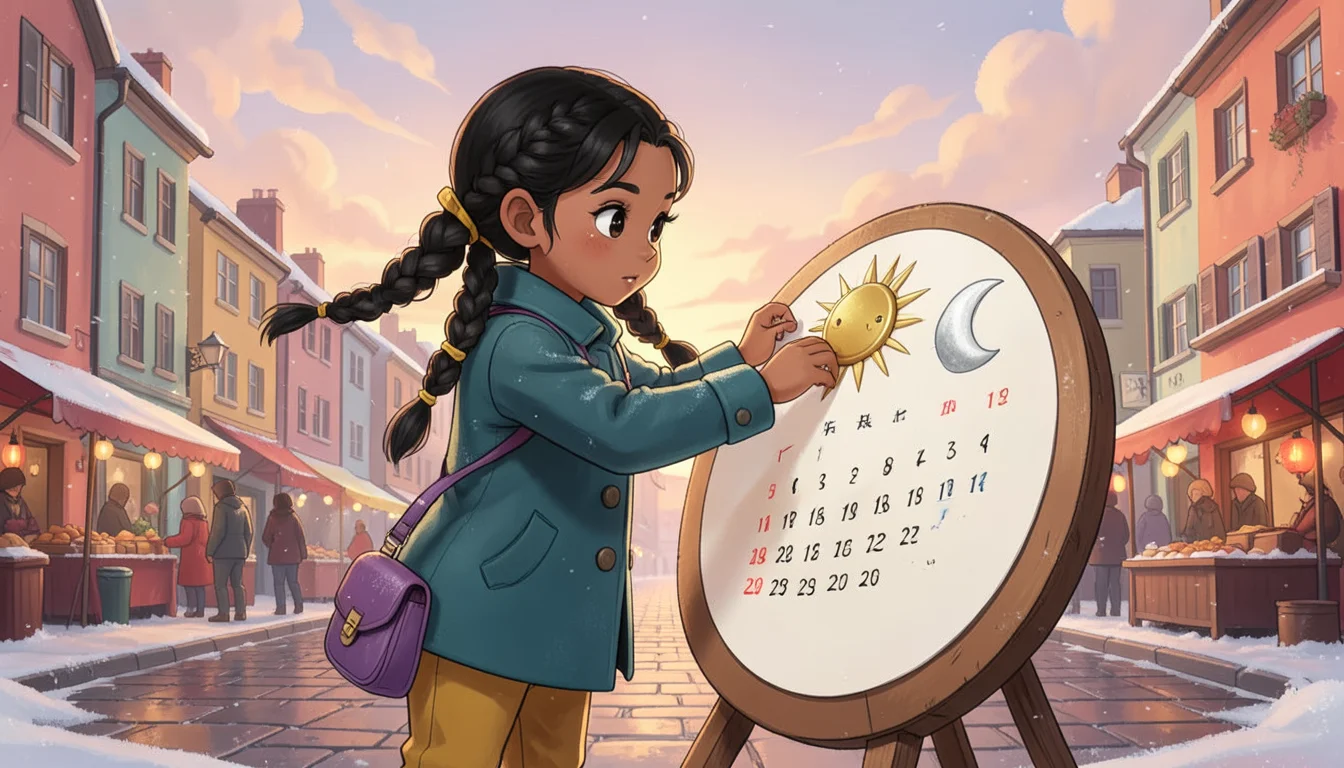
2. Before she could take the leaves inside, Liora opened her green notebook. She marked the moon as a thin silver curve, remembered yesterday's millet porridge and fried plantain, and added a blue dot for the cup of water she had forgotten. The pages held questions, not answers.
3. At the market, an adult from home brought Liora to Auntie Kesi, a healer whose stall held baskets of leaves, roots, and seeds. Auntie Kesi asked, “When did the pinching begin? What did you eat, and how much water did you drink? How did you sleep? What was the moon doing, and which market stalls were open?”
4. Liora had expected the moon to be the answer. Auntie Kesi instead spread the notebook beside bowls of millet, mint, beans, and water. Together, they noticed that the pinching came on market mornings, when Liora skipped breakfast, hurried in the heat, and ate salty snacks before drinking.
5. The moon had seemed important because it gave Liora a way to mark the passing days. It was a clock in her notes, not a culprit. Auntie Kesi said that careful healing began with noticing patterns, then checking whether the pattern held.
6. In the garden, Auntie Kesi showed Liora how some plants favored damp months while others endured dry ones. Plants could support a meal, she explained, but no plant was a magic answer. If the pain became strong, lasted, or came with fever or trouble drinking, Liora had to tell an adult and go to the clinic.
7. On the next market morning, the moon was round. Liora ate porridge, carried water, and chose beans and fruit before she tasted a small peppered snack. Her stomach stayed quiet until she hurried past lunch; then the familiar pinch returned. She stopped, breathed, and added the new clue to her notebook.
8. This time, Liora and Auntie Kesi asked others to compare what they had noticed. Families described how the market's foods shifted after the rains, how different plants appeared in different seasons, and how busy days changed when people skipped meals. The clues did not make one simple answer; together, they made a better map.
9. A month later, Liora still watched the moon, the meals, the weather, and the market, but she no longer searched for one secret cause. She watched, asked, compared, and shared what she learned. That was why Auntie Kesi had asked about the moon and the market: a look at traditional healing systems shows how health knowledge can combine plants, seasons, diet, community, and careful observation.
Make a story like this →