 Storyclover
Storyclover
Storyclover
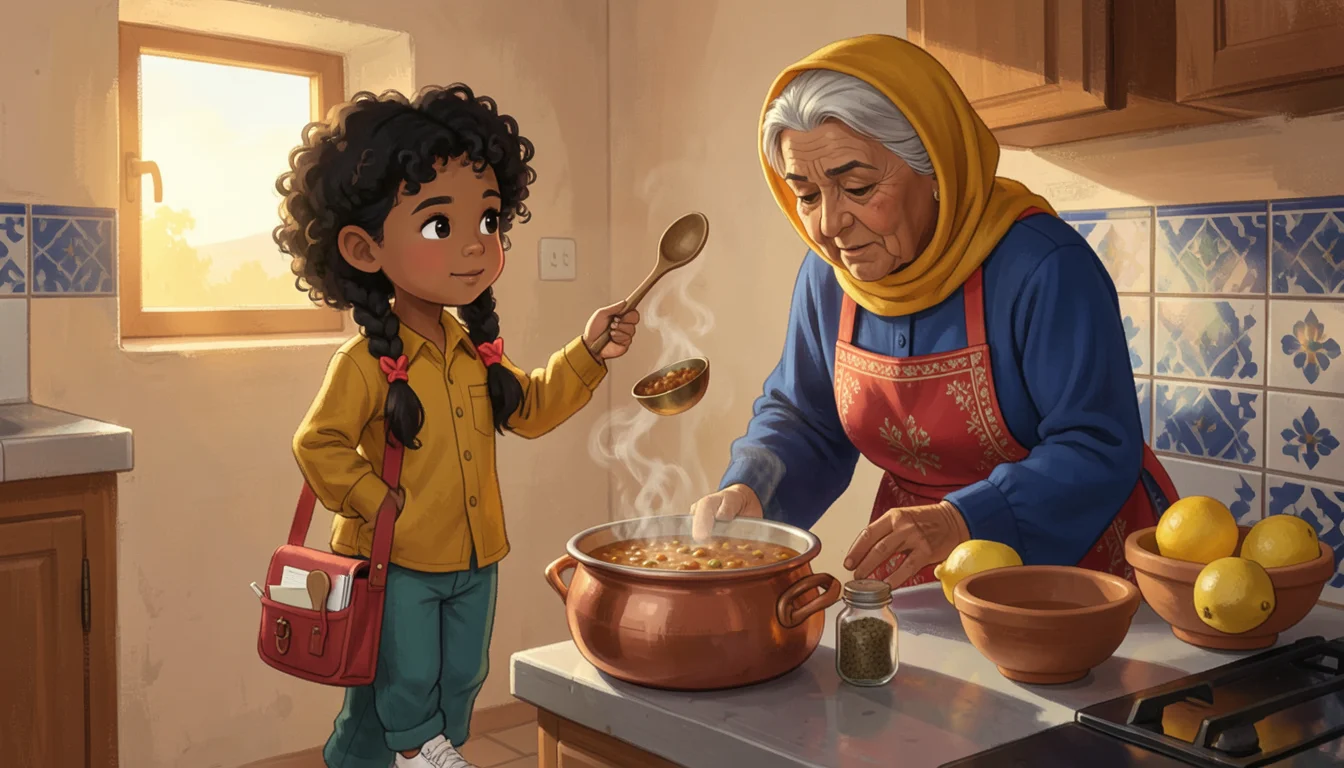
At sunrise in Amina’s kitchen, Noor stirred cumin into a pot of lentil soup. She tasted a spoonful, then glanced at the little jar on the counter. “Why does this spice taste like home here?” she asked. “Would it taste the same somewhere else?”
Why Did the Same Spice Taste Like Three Different Homes?Tracing cumin from a Moroccan kitchen to an Indian market and a Mexican family table shows how trade, climate, and memory reshape one ingredient.
1. At sunrise in Amina’s kitchen, Noor stirred cumin into a pot of lentil soup. She tasted a spoonful, then glanced at the little jar on the counter. “Why does this spice taste like home here?” she asked. “Would it taste the same somewhere else?”
2. Amina tipped pale cumin seeds into a dry pan, and their sharp scent soon deepened into something warm and nutty. “The seed travels,” she said. “Farmers grow it in warm, dry seasons, traders carry it across borders, and cooks decide what kind of welcome it receives.” Noor opened her notebook.
3. By late morning, Noor reached an Indian spice market and found Ravi behind a stall bright with bowls and baskets. She placed her little jar beside his cumin. “This is the same spice,” she said, “but it already smells different.”
4. Ravi showed Noor whole seeds, freshly ground cumin, and cumin warmed in a pan. The whole seeds smelled grassy; the ground spice smelled fuller; the warmed seeds seemed to gather sunlight. “A market is a meeting place,” Ravi said. “Goods arrive from farms, roads, ships, and many kinds of weather.”
5. Ravi warmed another pinch, and Noor caught the change at once. Cumin likes a long, warm, dry growing season, but soil, air, harvest, and storage can nudge its flavor in different directions. Then roasting, grinding, and cooking add still more turns. Noor filled her jar and carried the question onward.
6. That evening, Noor brought Ravi’s cumin to Elena’s family table. Elena stirred a pinch into a pot of pinto beans, and the kitchen filled with a round, earthy smell. “My abuela used cumin when she wanted ordinary beans to remember where we came from,” Elena said.
7. Noor tasted the beans. The cumin was not smoky like Amina’s soup or bright like the toasted seeds at Ravi’s stall. It tasted soft, savory, and familiar, although Noor had never eaten it there before. Elena’s memory had made room for it.
8. Noor set the three tastes beside one another in her mind: Amina’s cumin carried the steam of a Moroccan kitchen, Ravi’s carried the heat of a busy market, and Elena’s carried an old family table. She had been searching for the one true taste. Instead, she found a spice with several lives.
9. The next morning, Noor closed her notebook and left the jar open beside the three bowls. The cumin had traveled through trade, changed with climate and cooking, and gathered meaning in the memories of people who welcomed it. Tracing cumin from a Moroccan kitchen to an Indian market and a Mexican family table showed Noor how trade, climate, and memory reshape one ingredient.
Make a story like this →